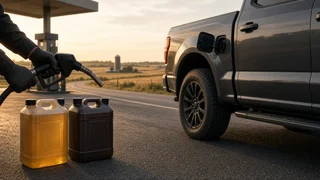
Biodiesel vs Gasoline: Differences and Vehicle Compatibility
Biodiesel and gasoline are not interchangeable. Biodiesel is a fuel for diesel engines, and gasoline is a fuel for spark-ignition (gas) engines. A gasoline car cannot run on biodiesel in any blend, and a diesel vehicle cannot run on gasoline. So the useful comparison is not which fuel to put in a given car. It is how the two fuels differ, why each needs its own engine type, and what biodiesel compatibility means if you own or are shopping for a diesel.
The Short Answer
If your vehicle has a gasoline engine: use gasoline only, plus ethanol blends your manufacturer approves. Biodiesel is not an option. If your vehicle has a diesel engine: it runs on diesel fuel, and most modern diesels accept low biodiesel blends. Higher blends depend on the specific engine and model year. If you are choosing between a gas and a diesel vehicle partly to use biodiesel: the choice is really gas engine versus diesel engine. Biodiesel only comes with the diesel side.
The renewable counterpart to biodiesel on the gasoline side is ethanol, sold as E10 in most regular gasoline and as E85 for flex-fuel vehicles. Comparing biodiesel with gasoline is closer to comparing two different fuel systems than two grades of the same fuel.
What Biodiesel and Gasoline Are
Gasoline is a refined petroleum product made from a blend of light, volatile hydrocarbons. It evaporates easily and resists igniting under compression alone. That resistance is measured by octane rating. Gas engines rely on this property: the fuel-air mixture is compressed and then ignited at a precise moment by a spark plug.
Biodiesel is a renewable fuel made from vegetable oils, animal fats or recycled cooking grease. The process, called transesterification, converts these fats into fatty acid methyl esters. The result is an oily, less volatile liquid that behaves much like petroleum diesel. It ignites readily when compressed and heated. That ignition quality is measured by cetane number, and biodiesel generally rates well on it.
Biodiesel is not the same as raw vegetable oil, and it is not the same as renewable diesel. Renewable diesel, sometimes labeled HVO or R99/R100, is made from similar feedstocks by a different process. It is chemically very close to petroleum diesel. It is also a diesel-engine fuel and is likewise unsuitable for gasoline engines.
Why the Engines Cannot Swap Fuels
The core reason is engine configuration. A gasoline engine uses spark ignition. A diesel engine uses compression ignition: it squeezes air so hard that it becomes hot enough to ignite fuel the moment the injector sprays it into the cylinder. Each fuel is engineered for one of these methods.
Biodiesel in a gas engine: the fuel does not vaporize well enough for spark ignition. The engine may run very poorly or not at all. The oily fuel can foul spark plugs, coat oxygen sensors and damage the catalytic converter. The engine computer adjusts fuel trim to keep the air-fuel ratio on target, but it cannot compensate for the wrong fuel. Gasoline in a diesel engine: gasoline ignites at the wrong time under compression, which causes knocking and possible internal damage. It also lacks the lubricity diesel fuel provides. Modern diesels use a high-pressure fuel pump and precision injectors that depend on the fuel for lubrication, and running them on gasoline can damage these parts quickly.
Biodiesel vs Gasoline: Side-by-Side Comparison
This table compares general characteristics. Exact properties vary with blend, feedstock, season and refinery, so treat it as a qualitative guide rather than a specification sheet.
Attribute | Biodiesel | Gasoline; Engine type | Diesel (compression ignition) | Gas (spark ignition); Source | Vegetable oils, animal fats, recycled grease | Crude oil; Renewable | Yes | No (ethanol blends add a renewable share); Key quality rating | Cetane number (ignition readiness) | Octane rating (knock resistance); Volatility | Low; does not evaporate readily | High; evaporates easily; Lubricity | High; can improve lubrication when blended into diesel | Low; Cold-weather behavior | Can thicken or gel; higher blends are more sensitive | Remains fluid in normal cold weather; Storage stability | More prone to oxidation and water absorption over time | Degrades over long storage, but in different ways; Solvent effect | Can loosen deposits in tanks and fuel lines | Not a significant factor; Common US blends | B5, B20, B100 | E10, E15; E85 for flex-fuel vehicles
Biodiesel Blends and What They Mean
Biodiesel is usually sold blended with petroleum diesel. The number after the B is the percentage of biodiesel in the mix.
B5 and below: in the US, diesel fuel meeting the standard diesel specification may contain up to 5 percent biodiesel. It is often not labeled separately, so many diesel owners already use it without knowing. B6 to B20: covered by its own fuel specification. B20 is the most common higher blend and is widely approved for many modern diesel trucks, vans and equipment, though not all. B100: pure biodiesel. It needs more care with cold weather, storage and material compatibility, and few manufacturers approve it for on-road vehicles without conditions.
Is My Diesel Compatible With Biodiesel?
Compatibility depends on the manufacturer, engine and model year, not just on whether a vehicle is a diesel. The most reliable answer comes from your owner's manual or the label near the fuel filler, which usually states the highest biodiesel blend the manufacturer approves. Using a blend above that rating may affect warranty coverage if a fuel-related problem occurs.
Several practical factors matter if you plan to use higher blends.
Fuel filter: biodiesel's solvent effect can loosen built-up deposits in a tank that previously held only petroleum diesel. The fuel filter catches this debris and may clog sooner than usual after a switch. Replacing the filter shortly after moving to a higher blend is a common precaution. Seals and hoses: some older diesels used rubber compounds that higher biodiesel blends can soften or degrade. Many newer vehicles use compatible materials, but an older vehicle deserves a leak check of fuel lines, seals and fittings after switching. Cold weather: biodiesel thickens at higher temperatures than petroleum diesel. In cold climates, suppliers often adjust blends seasonally, and higher blends may need additives, fuel heaters or a lower blend in winter. Storage: biodiesel can oxidize and attract water over time. Vehicles that sit for long periods, and stored fuel, are better suited to lower blends or fresh fuel. Emissions systems: on modern diesels with a diesel particulate filter, some fuel can reach the engine oil during filter regeneration. With higher biodiesel blends, that fuel tends to stay in the oil rather than evaporate. This is one reason some manufacturers cap approved blends, and following the recommended oil change interval matters.
Which Option Fits Your Situation
Because the fuels require different engines, choosing between them comes down to the vehicle.
You drive a gas car and want a lower-carbon fuel: look at ethanol blends your vehicle supports. If it is a flex-fuel vehicle, that includes E85. Biodiesel is not usable. You drive a modern diesel and want to use biodiesel: check the approved blend rating. B5 is generally fine for most diesels, and B20 is approved for many. Go higher only if the manufacturer explicitly allows it. You live somewhere with harsh winters: favor lower blends in cold months, or use fuel your supplier has formulated for the season. You own an older diesel: start with low blends, replace the fuel filter after switching, and inspect for leaks or softened hoses. You are deciding between a gas and a diesel vehicle: base the decision on driving pattern, towing needs, fuel availability in your area and maintenance expectations. Biodiesel access is a secondary factor, and its availability varies widely by region.
What to Do If You Put in the Wrong Fuel
Misfueling between biodiesel or diesel and gasoline is a common mistake, and acting quickly limits the damage.
Do not start the engine. If you notice before turning the key or pressing the start button, leave it off. Starting it circulates the wrong fuel through the fuel pump, lines and injectors. If the engine is running, stop as soon as it is safe and switch it off. Symptoms include rough running, knocking, smoke, loss of power or stalling. Have the vehicle towed rather than driven to a repair shop. Ask the shop to drain the tank and flush the fuel system. Depending on how far the fuel traveled, they may also need to replace the fuel filter and inspect the fuel pump, injectors and fuel pressure. If you have roadside assistance or insurance, check whether misfueling is covered.
Key Takeaways
Biodiesel is a renewable fuel for diesel engines, and gasoline is a petroleum fuel for spark-ignition engines. Neither can substitute for the other. For diesel owners, low blends such as B5 are widely compatible and B20 is approved for many vehicles. Higher blends require confirming the manufacturer's rating and paying attention to fuel filters, seals, cold weather and storage. For gasoline owners, ethanol is the renewable option to consider.