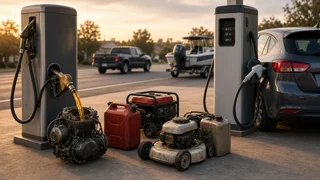
Biodiesel vs Ethanol: Fuel Differences and Engine Compatibility
The Short Answer
Biodiesel and ethanol are not competing choices for the same vehicle. Ethanol is blended into gasoline and used in spark-ignition (gasoline) engines. Biodiesel is blended into diesel fuel and used in compression-ignition (diesel) engines. The real question for most drivers is not which biofuel is better, but which blend level their specific vehicle is approved to use. Putting either fuel into the wrong type of engine can cause serious damage.
Both are renewable fuels made from biological feedstocks, which is why bioethanol and biodiesel are often discussed together. Beyond that shared origin, they differ in chemistry, in how they burn, in how they behave in storage and cold weather, and in which vehicles can use them.
What Each Fuel Is
Ethanol, often called bioethanol when the renewable origin is emphasized, is an alcohol produced by fermenting sugars and starches. In the US, corn is the dominant feedstock. It is a gasoline substitute and additive, and it is almost always sold blended with gasoline rather than on its own.
Biodiesel is a fuel made by chemically processing vegetable oils, animal fats or used cooking oil into compounds called fatty acid methyl esters. It is a diesel substitute and additive, and like ethanol it is usually sold as a blend with conventional petroleum diesel.
Biodiesel should not be confused with renewable diesel. Renewable diesel is made from similar feedstocks but through a different process that produces a fuel chemically very close to petroleum diesel. The two are sold and regulated differently, and compatibility guidance for one does not automatically apply to the other.
Side-by-Side Comparison
Criterion | Ethanol (bioethanol) | Biodiesel; Engine type | Gasoline (spark-ignition) | Diesel (compression-ignition); Fuel it replaces or blends with | Gasoline | Petroleum diesel; Typical feedstocks | Corn, sugarcane, other starches and sugars | Soybean and other vegetable oils, animal fats, used cooking oil; Common blend labels | E10, E15, E85 | B5, B20, B100; Key combustion property | High octane rating, resists engine knock | High cetane, good lubricity; Energy per gallon vs the fuel it replaces | Lower | Somewhat lower; Main storage concern | Absorbs water; can separate from gasoline | Can degrade with long storage; may support microbial growth if water is present; Cold-weather concern | Generally not a gelling issue | Can cloud and gel at higher temperatures than petroleum diesel; Material compatibility concern | Can affect some older rubber, plastics and metals | Can affect some older seals and hoses; solvent effect can loosen deposits
The table compares qualitative characteristics only. Exact energy content, cold-flow behavior and performance depend on the blend level, the feedstock and the fuel specification, so direct numerical comparisons between a given ethanol blend and a given biodiesel blend are not meaningful without matching those details.
Ethanol Blends and Gasoline Engine Compatibility
The number after the E indicates the approximate percentage of ethanol in the blend. Most regular gasoline sold in the US is E10, meaning up to 10 percent ethanol, and virtually all modern gasoline vehicles are designed to run on it.
E10: Suitable for essentially all modern gasoline cars and light trucks. E15: Approved by the EPA for light-duty vehicles from model year 2001 and newer and for flex-fuel vehicles. It is not approved for motorcycles, boats, lawn and garden equipment or most other small engines. Some manufacturers' warranty language may still differ, so check the owner's manual. E85 (flex fuel): Contains a much higher and variable ethanol share. It is intended only for flex-fuel vehicles (FFVs), which have fuel system components and engine calibration designed for it.
Ethanol raises a fuel's octane rating, which is one reason it is blended into gasoline. Because ethanol carries less energy per gallon than gasoline, higher ethanol blends usually reduce fuel economy. The difference is small with E10 and more noticeable with E85.
Ethanol absorbs water. In a vehicle that is driven regularly this is rarely a problem, but in fuel that sits for long periods, such as in seasonal equipment, boats or stored vehicles, enough water can be absorbed that the ethanol and water separate from the gasoline. That separated layer can cause poor running or damage. Older vehicles and classic cars may also have hoses, seals or fuel system parts that were not designed for ethanol.
Biodiesel Blends and Diesel Engine Compatibility
The number after the B indicates the approximate percentage of biodiesel. In the US, diesel fuel meeting the standard diesel specification can contain a small amount of biodiesel, up to 5 percent, without being labeled as a separate blend. Higher blends are covered by their own fuel specifications.
Up to B5: Generally treated as ordinary diesel and compatible with most diesel vehicles. B6 to B20: Many diesel manufacturers approve B20 for at least some models, but approval varies by brand, engine and model year. Check before using it. B100 (pure biodiesel): Rarely approved for on-road vehicles without modifications or specific manufacturer approval. It has more pronounced cold-weather and material compatibility concerns.
Biodiesel improves fuel lubricity, which benefits fuel pumps and injectors, and it has a high cetane number, which supports smooth ignition in a diesel engine. Its energy content is somewhat lower than petroleum diesel, so higher blends may slightly reduce fuel economy.
Biodiesel acts as a mild solvent. When a vehicle that has run on petroleum diesel switches to a higher biodiesel blend, it can loosen deposits in the tank and lines, which may clog fuel filters early on. Biodiesel also begins to cloud and gel at higher temperatures than petroleum diesel, so higher blends need winter treatment or a seasonal blend change in cold climates. Biodiesel can degrade over long storage periods, making it a less ideal choice for vehicles or equipment that sit unused for months.
Why You Cannot Swap Them
Gasoline engines ignite fuel with a spark plug and rely on fuel that resists self-ignition, which is what a high octane rating measures. Diesel engines ignite fuel through compression heat and need fuel that ignites readily, which is what a high cetane rating measures. Ethanol and biodiesel are tailored to these opposite requirements.
Putting an ethanol blend into a diesel engine, or biodiesel into a gasoline engine, is a misfueling event. If it happens, do not start the engine or continue driving. Have the fuel system drained and inspected, because running the engine can spread contaminated fuel to the pump and injectors and lead to costly repairs.
How to Check What Your Vehicle Can Use
Read the owner's manual. The fuel section states the approved fuel specification and the maximum ethanol or biodiesel blend. Look at the fuel door or gas cap. Flex-fuel vehicles often have a label or a yellow fuel cap indicating E85 capability. Some diesels have a label showing the approved biodiesel blend. Check the manufacturer approval for your exact model year and engine. Approval for B20 or E15 can differ between generations and powertrains of the same model. Read the pump label. US pumps label E15 and E85 with their own notices, and biodiesel blends above B5 are labeled separately from standard diesel. Consider warranty terms. Using a blend above what the manufacturer approves may affect coverage for fuel-related damage.
Which Biofuel Fits Your Situation
Your engine type makes the choice for you. If you drive a gasoline vehicle, ethanol blends are your only biofuel option, and the decision is about blend level. If you drive a diesel, biodiesel blends are your option, and the same applies.
Standard gasoline car, model year 2001 or newer: E10 is the default. E15 is permitted and may be cheaper in some areas; confirm the owner's manual does not advise against it. Flex-fuel vehicle: E85 can be used, though expect lower fuel economy. Compare cost per mile, not just price per gallon. Older or classic gasoline vehicle, motorcycle, boat or small engine: Stick to the lowest ethanol blend recommended for the equipment, and avoid E15. For long storage, ethanol-free gasoline or a fuel stabilizer may be advisable where recommended. Modern diesel vehicle: Blends up to B5 are generally fine. Use B20 only if the manufacturer approves it for your engine. Diesel in a cold climate: Use winter-treated fuel and be cautious with higher biodiesel blends during freezing weather. Diesel that sits unused for long periods: Lower biodiesel blends and fuel stabilizers reduce the risk of fuel degradation.
Bottom Line
Ethanol and biodiesel are both biofuels, but they belong to different fuel systems: ethanol for gasoline engines, biodiesel for diesel engines. Neither is a universal upgrade. The right fuel is the one that matches your engine type and stays within the blend level your manufacturer approves for your specific vehicle. When in doubt, the owner's manual and the pump label are the two most reliable places to check.