Biodiesel Storage Life and Fuel Degradation
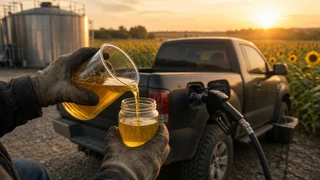
Biodiesel has a shorter storage life than conventional petroleum diesel. It is chemically less stable, it attracts and holds more water, and it breaks down faster when exposed to air, heat, light and certain metals. Industry handling guidance commonly recommends using biodiesel and biodiesel blends within about six months. That figure is a rule of thumb, not a guaranteed shelf life. Fuel stored in good conditions, especially with stabilizing additives, can stay usable longer. Fuel stored warm, wet or in contact with reactive metals can degrade well before that. The answer also depends on the blend. Pure biodiesel (B100) is the most sensitive. Blends such as B20, which is 20 percent biodiesel, and B5 are generally more stable because most of the fuel is petroleum diesel. Even so, the biodiesel portion still ages faster than the diesel around it. This guide explains why biodiesel degrades, what degraded fuel does to a diesel fuel system, and how to store it so it stays within specification.
What Biodiesel Is and Why Its Shelf Life Differs
Biodiesel is made from vegetable oils, animal fats or recycled cooking oils. A chemical process called transesterification converts these oils into fatty acid methyl esters, usually shortened to FAME. In the US, B100 sold as a blendstock is covered by the ASTM D6751 specification. Conventional diesel under ASTM D975 may contain up to 5 percent biodiesel, and blends from 6 to 20 percent are covered by ASTM D7467.
Petroleum diesel consists mainly of hydrocarbons that are relatively resistant to chemical change. Biodiesel molecules are different. Many contain carbon–carbon double bonds, called unsaturation, and these bonds are the weak points where oxygen attacks. The more unsaturated the feedstock, the faster the fuel tends to oxidize. Biodiesel from highly unsaturated oils is generally less stable than biodiesel from more saturated fats, so two batches of B100 can age at noticeably different rates.
How Biodiesel Degrades
Biodiesel degradation usually involves several processes at once. Each one creates its own problems, and they tend to reinforce one another.
• Oxidation: Oxygen reacts with the unsaturated parts of the fuel and forms peroxides. These break down further into acids, aldehydes and polymerized material. Over time this produces gums, varnish and sediment, and it raises the fuel's acidity. • Hydrolysis: Biodiesel absorbs more water than petroleum diesel does. Water can split esters back into free fatty acids, which raises acidity and can corrode metal parts. • Microbial growth: Bacteria and fungi live at the boundary between fuel and free water at the bottom of a tank. They produce slime and acidic byproducts that plug filters and corrode tanks. • Metal-catalyzed breakdown: Copper, brass, bronze, zinc, lead and tin speed up oxidation. Fuel stored in contact with these metals ages faster and can form deposits. • Thermal stress: Heat speeds up every reaction above. In vehicles, fuel that circulates past a hot engine and returns to the tank is exposed to repeated heating.
Factors That Shorten or Extend Storage Life
Factor | Effect on storage life | Practical response; Oxygen exposure | Drives oxidation, the main aging process | Keep containers sealed and minimize air space above the fuel; Water | Enables hydrolysis and microbial growth | Drain water bottoms, keep fill points capped, prevent condensation; Heat | Accelerates oxidation and other chemical reactions | Store in a cool location away from direct sun; Light | Can promote oxidation | Use opaque containers or shaded tanks; Reactive metals | Copper, brass, bronze, zinc, lead and tin catalyze breakdown | Use compatible tank and fitting materials; Feedstock and initial quality | More unsaturated or off-spec fuel ages faster | Buy from suppliers who meet the applicable ASTM specification; Antioxidant additives | Slow the onset of oxidation | Add at purchase or when filling storage, not after the fuel has aged; Blend level | Higher biodiesel content is generally less stable | Expect B100 to need more care than B20 or B5
Storage Life by Blend Level
Exact shelf life cannot be stated for each blend, because it depends on feedstock, additives, temperature and handling. The general pattern is consistent, though.
• B100: The most vulnerable to oxidation, water uptake and cold-weather gelling. It is best handled as a product to be used reasonably promptly and stored with care. • B20 and other mid-level blends: Usually more stable than B100, but noticeably less stable than straight diesel. Commonly used in fleets that buy and burn fuel on a steady schedule. • B5 and below: Behaves close to conventional diesel in most storage situations. However, it can still contribute to water and sediment problems in tanks that are seldom drawn down.
Blending stable petroleum diesel with biodiesel that has already aged does not restore it. The oxidation products are already in the fuel, so the quality of the biodiesel at the time of blending matters.
How Degraded Biodiesel Affects a Diesel Fuel System
Aged fuel rarely causes a sudden failure. It usually shows up first as gradual filter loading and deposits. How sensitive a vehicle is depends partly on its fuel-system design. Modern high-pressure common-rail systems have very tight internal tolerances and are generally less tolerant of deposits and contamination than older mechanical injection systems. Older systems, however, may use seal and hose materials that are less compatible with biodiesel.
• Fuel filter: Gums, sediment and microbial slime collect in the filter first. Biodiesel is also a strong solvent and can loosen old deposits in tanks that previously held diesel. This often causes a burst of filter plugging shortly after switching to a higher blend. • Fuel pressure: A restricted filter or pickup can lower supply-side fuel pressure. Depending on the vehicle, symptoms may include hard starting, hesitation, reduced power or low-pressure fault codes. • Fuel pump: Acidic fuel and abrasive sediment can wear lift pumps and high-pressure pumps. Varnish can also make internal parts stick. • Injector: Deposits on injector nozzles and internal parts can disturb the spray pattern and fuel delivery. On many modern diesels, the engine computer tracks per-injector correction or balance values. Values that drift steadily can indicate injector deposits or wear, although they can also have other causes. This is the closest diesel equivalent to fuel trim on a gasoline engine, but it is not the same thing. • Seals and hoses: Some older elastomers, such as certain natural rubber and nitrile compounds, can swell, soften or crack with long-term biodiesel exposure. A visual leak check of hoses, seals and pump fittings makes sense on older vehicles running higher blends, especially after a period of storage.
Whether a given vehicle is approved for a particular blend depends on the manufacturer, engine configuration, model year and market. Many manufacturers approve B5, some approve B20 on specific engines, and higher blends are approved far less often. The owner's manual or fuel-cap labeling is the place to confirm what applies to a particular vehicle.
Signs That Stored Biodiesel Has Degraded
• Color has darkened noticeably compared with fresh fuel from the same source; • Haziness or cloudiness at room temperature, which can indicate water or contamination; • Visible sediment, gel or slimy material at the bottom of the container or in a fuel sample; • A sharp, sour or rancid odor instead of the usual mild smell; • More frequent fuel filter changes, or filters coated with dark sludge; • Starting or drivability problems that begin after a vehicle or machine has been stored
Visual and smell checks only catch advanced degradation. Fuel can lose much of its oxidation resistance before anything looks wrong. For bulk storage, laboratory tests give a clearer picture. Common tests measure oxidation stability (often using the Rancimat method), acid number, and water and sediment content. Comparing the results with the applicable ASTM limits shows whether the fuel is still within specification.
Best Practices for Storing Biodiesel
• Start with good fuel. Buy from suppliers whose product meets ASTM D6751 for B100 or the relevant blend specification. BQ-9000 accreditation for producers and marketers is one indicator of quality-control practices. • Store cool, dark and dry. A shaded or indoor location with stable temperatures slows aging. • Limit air contact. Keep containers sealed, reduce empty space above the fuel, and fit tank vents with filters or desiccant breathers where practical. • Control water. Check for water regularly, drain it from tank bottoms, and keep fill caps tight. • Use compatible materials. Steel, aluminum, fluorinated polyethylene and fluoropolymer seals such as Viton are generally considered compatible. Avoid copper, brass, bronze, zinc and galvanized surfaces in contact with the fuel. • Add stabilizers early. Antioxidants are most effective when added to fresh fuel. Biocides can be used where microbial growth is a known risk, following the product's directions. • Rotate stock. Use the oldest fuel first and avoid buying more than you can use in a reasonable time. • Clean tanks before switching. When moving a tank from diesel to a higher biodiesel blend, cleaning first reduces the solvent effect on old deposits. Plan on extra filter changes during the transition.
Vehicles and Equipment in Long-Term Storage
Seasonal vehicles, standby generators, farm equipment and boats often sit with fuel in the tank for months, which is the hardest case for biodiesel. Many equipment manufacturers advise against leaving high biodiesel blends in fuel systems during extended storage. A common approach is to run the tank down and refill with petroleum diesel or a low blend such as B5 before storage. Running the engine long enough to draw that fuel through the filter, pump and injectors helps protect the whole system.
If the fuel must stay in the tank, keep the tank as full as practical to reduce air space and condensation, and add a stabilizer suitable for biodiesel. When bringing the vehicle back into service, inspect or replace the fuel filter and check for water. Watch for low fuel pressure symptoms or rough running during the first few hours of operation.
Bottom Line
Biodiesel does not keep as long as petroleum diesel. Using it within roughly six months is a sensible planning target, but actual storage life depends on blend level, feedstock, additives and storage conditions. Oxidation and water are the main threats, and degraded fuel typically shows up first as clogged fuel filters, and later as pump and injector deposits. Fresh, specification-grade fuel stored cool, dry, sealed and away from reactive metals, combined with stock rotation, will prevent most storage-related problems. For long idle periods, switching to diesel or a low blend beforehand is usually the safest option.