Biodiesel Benefits and Drawbacks for Diesel Vehicles
Biodiesel can run in most modern diesel engines, but how well it works depends on the blend and the vehicle. Low blends, such as the B5 sold at many US pumps, are usually indistinguishable from conventional diesel in daily driving. Higher blends, especially B20 and pure B100, bring stronger environmental benefits along with more practical drawbacks: cold-weather gelling, fuel filter clogging, storage sensitivity and possible warranty limits. Read the advantages and disadvantages of biodiesel below as a trade-off that shifts with blend level, climate, vehicle age and engine design.
What Biodiesel Is and How Blends Are Labeled
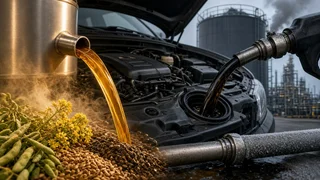
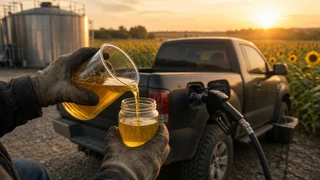
Biodiesel is a renewable fuel made from vegetable oils, animal fats or recycled cooking grease. A chemical process called transesterification converts these oils into fatty acid methyl esters, which can burn in a compression-ignition engine. It is not the same as raw vegetable oil. Pouring straight cooking oil into a fuel tank is a different practice with much greater risk to the engine.
Blends are named by the percentage of biodiesel mixed with petroleum diesel. B5 contains up to 5 percent biodiesel, B20 contains 6 to 20 percent, and B100 is pure biodiesel. In the US, ASTM standards cover these categories, and diesel sold as ordinary fuel may already contain a small biodiesel share without any special labeling.
Biodiesel is also often confused with renewable diesel, sometimes sold as hydrotreated vegetable oil or HVO. Renewable diesel can come from similar feedstocks, but it is produced by a different refining process and is chemically very close to petroleum diesel. Many of the drawbacks below apply to biodiesel specifically and much less to renewable diesel.
Advantages of Biodiesel Fuel
Renewable and domestically producible: Biodiesel comes from crops, fats and waste oils rather than crude oil. This can reduce reliance on petroleum and turn waste grease into a usable fuel. Lower lifecycle carbon emissions: Because the feedstocks absorb carbon as they grow, biodiesel generally produces lower net greenhouse gas emissions than petroleum diesel over its lifecycle. The size of the reduction depends heavily on the feedstock and production method. Reduced tailpipe pollutants: Biodiesel typically cuts particulate matter, unburned hydrocarbons and carbon monoxide compared with conventional diesel. The effect grows with the blend percentage. Improved lubricity: Ultra-low-sulfur diesel lost some of its natural lubricating quality when sulfur was removed. Even small amounts of biodiesel restore lubricity, which helps protect the fuel pump and injectors, whose precision components depend on the fuel for lubrication. Higher cetane rating: Biodiesel generally has a higher cetane number than petroleum diesel, so it ignites readily under compression. This can contribute to smoother starts and combustion. Biodegradable and less toxic: Spilled biodiesel breaks down more readily and is less toxic than petroleum diesel. It also has a higher flash point, which makes it safer to handle and store. Drop-in use at low blends: Most diesel vehicles accept B5 with no modifications, and many newer models are rated for B20.
Disadvantages of Biodiesel Fuel
Poorer cold-weather performance: Biodiesel begins to cloud and gel at higher temperatures than petroleum diesel. High blends can plug filters and fuel lines in cold climates unless they are treated, blended down or kept warm. Slightly lower energy content: A gallon of biodiesel contains somewhat less energy than a gallon of petroleum diesel. At B5 the difference is negligible. At B100 it can produce a noticeable drop in fuel economy and power. Solvent effect and filter clogging: Biodiesel loosens deposits that petroleum diesel has left in tanks and fuel lines. When a vehicle first switches to a high blend, these loosened deposits can collect in the fuel filter and restrict flow. Material compatibility in older vehicles: Some older diesel vehicles use natural rubber or other elastomers in hoses, seals and gaskets that biodiesel can soften or degrade over time, which can lead to leaks. Shorter storage life: Biodiesel oxidizes more readily than petroleum diesel and absorbs more water. Fuel left sitting for long periods, as in seasonal equipment or rarely driven vehicles, can degrade, form sediment or support microbial growth. Emissions system and oil dilution concerns: Many modern diesels regenerate their particulate filter by injecting extra fuel, some of which can reach the crankcase oil. Biodiesel evaporates from oil less readily than petroleum diesel, so high blends can build up in the oil. This is one reason some manufacturers limit approved blends. NOx emissions: Depending on the engine and test conditions, biodiesel can produce similar or slightly higher nitrogen oxide emissions than petroleum diesel. Results vary, and modern aftertreatment systems manage NOx regardless of fuel. Availability and warranty limits: B20 and especially B100 are not sold everywhere. Running a blend above the manufacturer's rating can create warranty disputes if a fuel-system failure occurs.
Biodiesel Advantages and Disadvantages at a Glance
Factor | Advantage | Disadvantage; Environment | Renewable, lower lifecycle carbon, biodegradable | Benefits vary by feedstock and production method; Tailpipe emissions | Less particulate, hydrocarbons and carbon monoxide | NOx can be similar or slightly higher; Engine protection | Better lubricity for pumps and injectors | Solvent effect can clog fuel filters at first; Performance | Higher cetane number | Slightly lower energy content, more noticeable at high blends; Cold weather | None | Gels at higher temperatures than petroleum diesel; Storage | Higher flash point, safer handling | Oxidizes and absorbs water more readily; Compatibility | B5 works in nearly all diesels; many accept B20 | Older seals and hoses may degrade; warranty limits on high blends
How the Answer Changes by Blend and Vehicle
Blend level matters more than anything else. B5 brings the lubricity benefit and a small environmental gain with essentially no drawbacks for a vehicle in good condition. B20 offers a meaningful emissions and renewability benefit while keeping cold-weather and compatibility problems manageable for most owners of vehicles rated for it. B100 maximizes the environmental case but asks the most of the owner: fuel-system preparation, cold-weather planning, careful storage and a clear understanding of warranty terms.
Engine configuration and age also change the picture. Modern high-pressure common-rail systems have very tight tolerances, so they depend on clean, in-specification fuel. They also usually have particulate filters, which introduces the oil-dilution concern with high blends. Older diesels with mechanical injection pumps often tolerate fuel variations well, but some have seal and hose materials that predate biodiesel and may need replacement. The owner's manual, or the fuel-filler label on some vehicles, states the maximum blend the manufacturer approves for that model year and powertrain. That rating should govern the decision.
Practical Steps if You Switch to a Higher Blend
Confirm the approved blend for your specific model year and engine before buying B20 or higher. Plan to replace the fuel filter soon after switching, since loosened tank deposits often collect there in the first tanks of fuel. Watch for symptoms of a restricted filter: hard starting, hesitation or loss of power under load. These can point to reduced fuel pressure reaching the injectors. On older vehicles, do a leak check around fuel lines, injection pump seals and return hoses during the first weeks of use, and replace any softened or weeping components. In cold climates, switch to a lower blend or winter-treated fuel before temperatures drop, and do not rely on high blends in an unheated vehicle. Avoid storing biodiesel blends for long periods, keep tanks reasonably full to limit condensation, and buy from busy stations or suppliers whose fuel is likely to be fresh.
Bottom Line
Biodiesel's main benefits are renewability, lower lifecycle carbon, cleaner tailpipe output for several pollutants and better fuel lubricity. Its main drawbacks are cold-weather gelling, slightly lower energy content, shorter storage life, filter clogging after a switch and compatibility or warranty limits at higher blends. For most diesel owners, a low blend within the manufacturer's rating offers the benefits with little downside. Moving to B20 or B100 makes sense when the vehicle is approved for it, the climate cooperates and the owner is prepared for the extra maintenance attention.