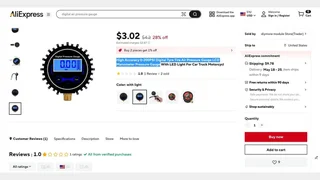
Best Tire Pressure Gauge on Amazon
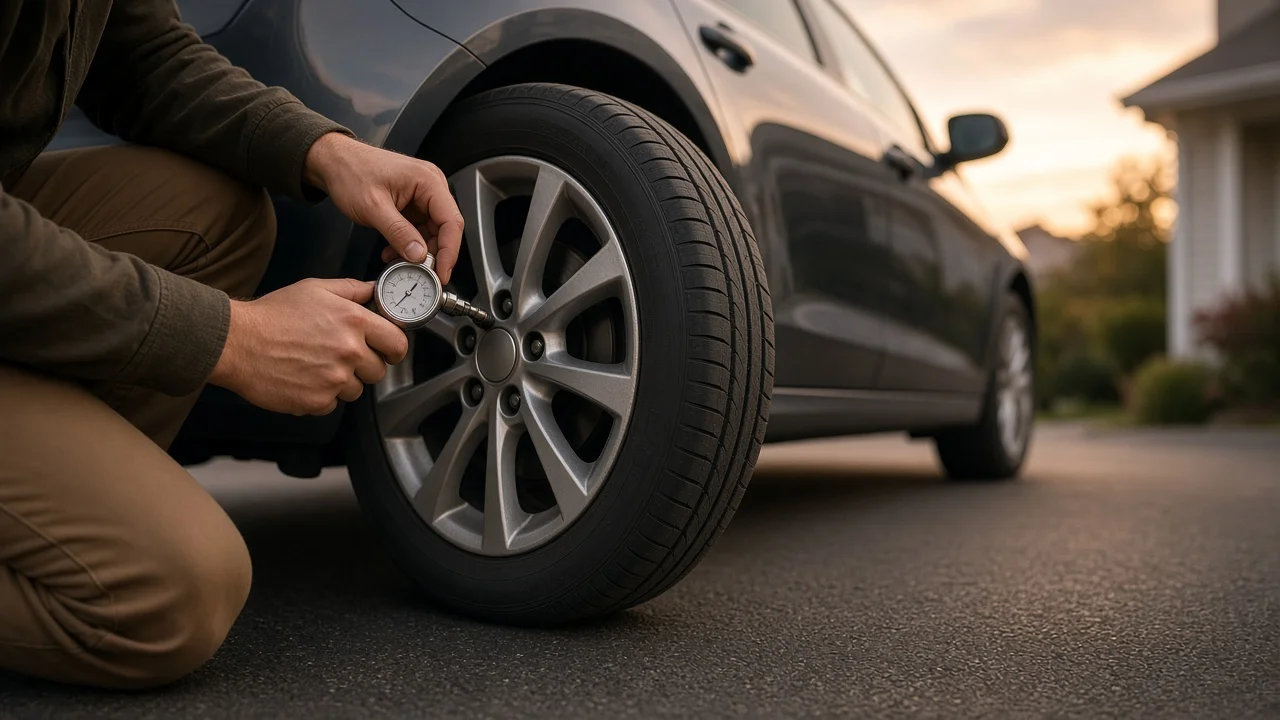
Choosing a tire pressure gauge on Amazon means sorting through many similar-looking tools with very different measurement quality and usability. The right gauge should match how and where you check inflation, because a reading that is off by a few psi can affect braking, fuel use, and tread wear. Digital gauges often reduce reading errors, while analog dial and pencil types remain compact options. The goal is to find a reliable gauge that fits your wheel valves, reads clearly in your preferred units, and stays consistent over time.
Relevant entries
A useful tire pressure gauge should first match the inflation range of your vehicle. Passenger cars commonly operate at lower pressures than heavily loaded trucks or trailers, so a gauge intended for a broad measurement range works for most owners. In practice, choosing a tool that reads comfortably above your normal cold inflation specification helps avoid under-range errors at the upper end of the scale. The same principle applies to accuracy: a digital gauge with fine resolution can identify small pressure differences between tires, which is valuable when a slow leak is developing.
Beyond range, the gauge’s connection to the valve stem determines whether readings are repeatable. A firm, sealed placement limits the hiss of escaping air that can produce inconsistent results. Digital displays reduce parallax and estimating errors that can occur with swept-needle dials, especially in low light. Units also matter, since some gauges switch among psi, bar, kPa, and kgf/cm², while others display only one scale. A backlit screen, angled chuck, or swivel head can make checks easier on wheels with recessed valve stems, helping you compare cold inflation pressures more reliably across all four tires.