Best Multimeter for Testing Car Battery

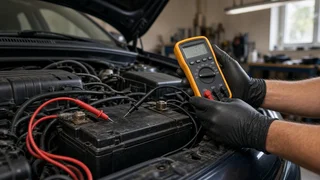
Finding the best multimeter for testing a car battery means separating a useful diagnostic tool from a gadget that only gives a rough indication. A quality digital meter lets you measure resting voltage, observe charging output, and catch a weak cell before you are stranded. The right choice depends on measurement range, accuracy, calibration, connection quality, and the units that match your vehicle specification. This guide explains which practical features matter for dependable battery checks without turning every reading into a guess.
Relevant entries
A solid automotive multimeter needs a DC voltage range that comfortably covers typical 12-volt systems, with enough resolution to show the small differences between a fully charged battery and one that is fading. Since tenths of a volt matter during a resting or load test, a meter that only displays whole volts is not useful for this task. Look for a reading that clearly presents millivolt or tenth-volt changes so you can compare the result against expected charging and state-of-charge conditions without confusion.
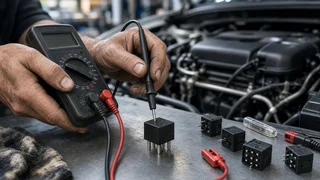
Durable test leads and secure connection points are equally important because a loose probe can create a misleading drop in the displayed voltage. A clamp-style accessory can help when you need a hands-free measurement, while standard probes should feel firm at the battery terminals. The meter does not prove a part has failed, but a stable and repeatable reading gives you better evidence to judge whether the charging system or the battery itself needs closer attention.