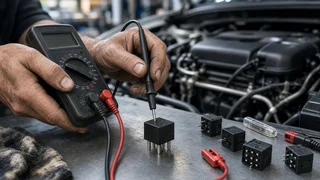
How to Test Car Battery Drain with a Multimeter
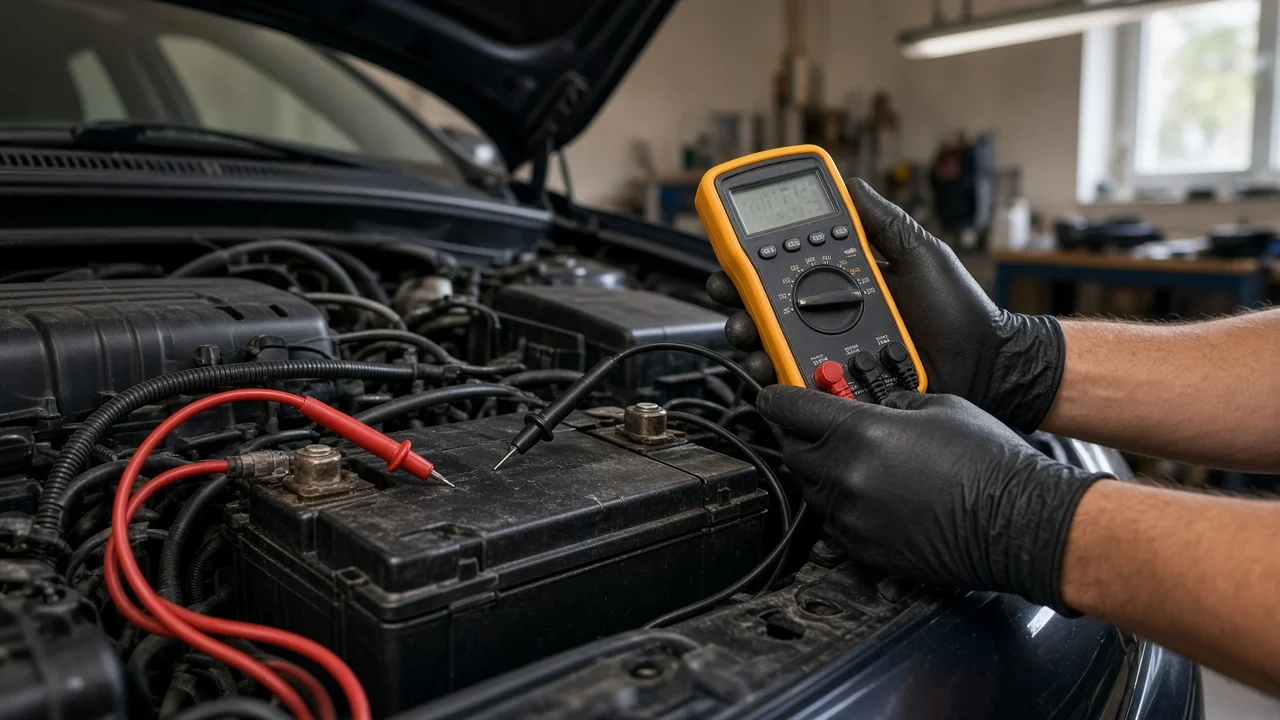
A weak or dead battery is not always caused by age. When a vehicle sits overnight and still loses charge, something in the electrical system may be drawing current after the key is off. Testing car battery drain with a multimeter is the practical way to separate normal memory loads from an excessive parasitic draw. The test measures current flowing from the battery with the ignition off and the modules asleep. Getting the connection, measurement range, and wait time right matters, because a hasty reading can misidentify a healthy vehicle as faulty.
Direct answer
The essential answer is that testing car battery drain with a multimeter means connecting the meter in series between the battery and the vehicle, then measuring current after the electrical system enters sleep. The result is compared with the vehicle specification for acceptable closed-circuit draw. A reading above the supported limit suggests an unwanted load, while a reading within range points away from parasitic drain and toward the battery, charging system, or driving pattern.
The measurement range determines how useful the result is. Most handheld meters require selecting a DC current range that can tolerate the initial wake-up surge while still resolving small milliampere draws. Connection, too, shapes accuracy. The meter must become the only path for current, never placed across the battery like a voltage check. Units should be read carefully, because confusing milliamps with amps changes the diagnosis completely and can lead to replacing parts without cause.
How to proceed
Begin with the vehicle off, the key removed, and the doors latched if the test requires the body modules to sleep. Confirm the battery is fully charged, since low voltage can change module behavior and make the reading unreliable. Select the appropriate DC current measurement range on the multimeter and move the test lead to the current jack if the meter requires it. Then disconnect the negative battery cable and connect the meter between the cable end and the battery post so the circuit is completed through the meter.
Allow the vehicle to sit undisturbed for the manufacturer-specified sleep period before reading the display. This waiting step is part of accuracy, not inconvenience, because infotainment, body controllers, and security systems may stay awake temporarily. If current remains elevated, avoid guessing at a module. Use the vehicle fuse layout to narrow the circuit while preserving the meter connection, and stop if a test step exceeds your equipment rating or comfort. Some drains are intermittent and may require repeated observation under the same conditions.