Battery melting

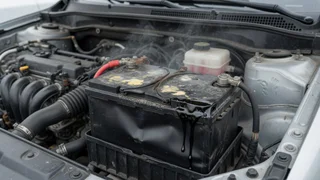
A melted battery is a serious warning that excessive heat has damaged the case, a terminal, or an internal connection. Unlike a discharged battery that simply lacks charge, a heat-deformed unit points to uncontrolled current, a short circuit, or extreme ambient conditions. For a vehicle owner, this symptom matters because it can compromise the electrical system and may create a fire risk. Understanding the difference between ordinary failure and thermal damage helps you decide whether the battery is safe to inspect and what the visible evidence is likely to mean.
Essential answer
In automotive terms, a battery that has melted usually shows distorted plastic, a softened case, or a deformed terminal post rather than a clean crack or simple loss of charge. The key distinction is heat. A dead battery can often be recharged or replaced without urgent concern, but a melted one indicates that enough thermal energy built up to change the material itself. That can come from a loose, high-resistance connection, a sustained short in the wiring, a failed voltage regulator allowing excessive charging output, or a direct external heat source near the battery.
The condition is not a single diagnosis. A slightly sunken case near a terminal often suggests resistance heating at a poor connection, while widespread distortion of the housing may point to overcharging or an internal fault. Because the 12-volt system carries significant current, even a small voltage drop across a dirty clamp can generate enough heat to soften lead and plastic over time. In severe cases, the battery may vent electrolyte vapor, and the melted area is evidence of where current concentrated or where the case absorbed heat.