Bad Car Starter Solenoid Symptoms
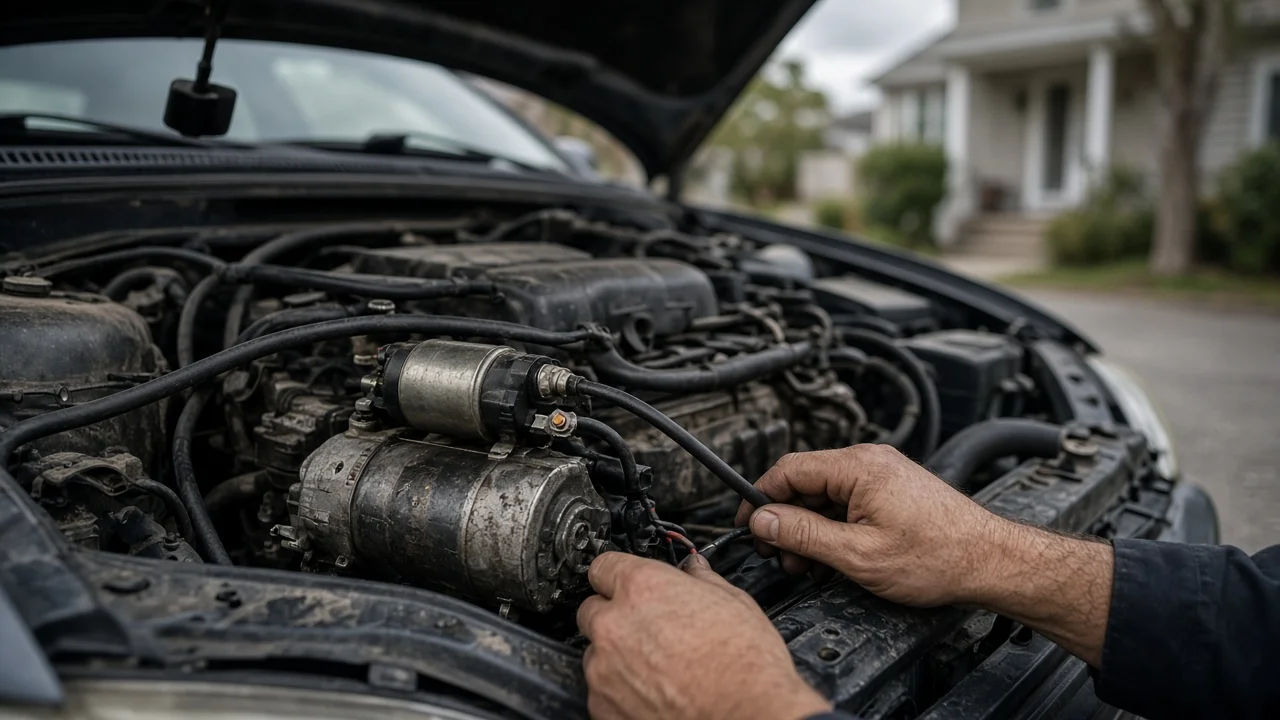
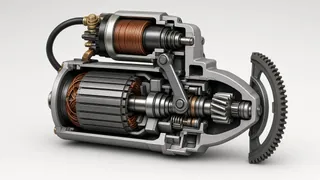
A failing starter solenoid can create confusing symptoms that feel more like a fuel or ignition problem than a starting circuit fault. The solenoid is the high-current switch that pulls in when you turn the key or press the start button, allowing battery power to reach the starter motor. If its contacts or windings degrade, engagement becomes inconsistent. That can cause intermittent no-crank events, rapid clicking, or even a moment where the engine begins to fire and then drops out. Understanding what this part controls helps separate car starter solenoid problems from simple battery state of charge issues or ignition switch faults.
Direct answer
A bad starter solenoid rarely causes a running engine to stall in the same way a fuel delivery failure would. Once the engine is running, the solenoid has already done its job and the starter motor is disengaged. If the vehicle stalls while driving, the cause is usually a separate loss of ignition, fuel, or airflow. However, a solenoid with severely damaged contacts or an internal short can produce unusual voltage drops or starter circuit feedback during the transition out of cranking, which could briefly disturb an idling engine under specific conditions. That is the exception, not the normal failure mode.
When a driver asks whether this part can cause a stall, the most useful answer is to split the question. The solenoid can absolutely prevent a restart after a stall, and it can interrupt the engine during cranking if it drops out before the engine fully catches. That can feel like a stall without being a true running stall. The distinction matters because replacing the solenoid will not fix an engine that dies after it has already reached normal cranking speed and disengaged the starter.
Interpreting symptoms and test results
Interpreting car starter solenoid symptoms starts with what happens when the key is turned. A single solid clunk with no rotation often points to worn contacts inside the solenoid that cannot carry starter current. Rapid clicking generally means the solenoid is trying to engage but battery voltage is collapsing or the pull-in winding is weak. No click at all may indicate an open control circuit, a failed neutral safety switch, or a bad ignition switch. Each observation narrows the search, but none proves the solenoid is faulty on its own. A voltage drop test across the solenoid's large terminals during cranking adds useful evidence.
Before condemning the solenoid, check the battery state of charge and the cable connections at both ends. Corrosion or a loose ground can mimic a weak solenoid because the control circuit needs sufficient voltage to hold the contacts closed. If the battery is strong and connections are clean, a remote starter switch or a careful test of the solenoid control terminal can separate a command problem from a mechanical failure. Hearing the starter spin without the engine turning is another clue: that suggests the solenoid is not pushing the drive gear into the flywheel. Use diagnostic checks in that order before installing a new part.