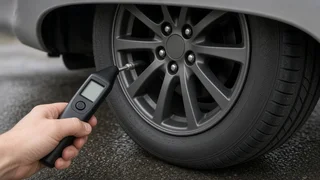
AX Products Digital Tire Pressure Gauge
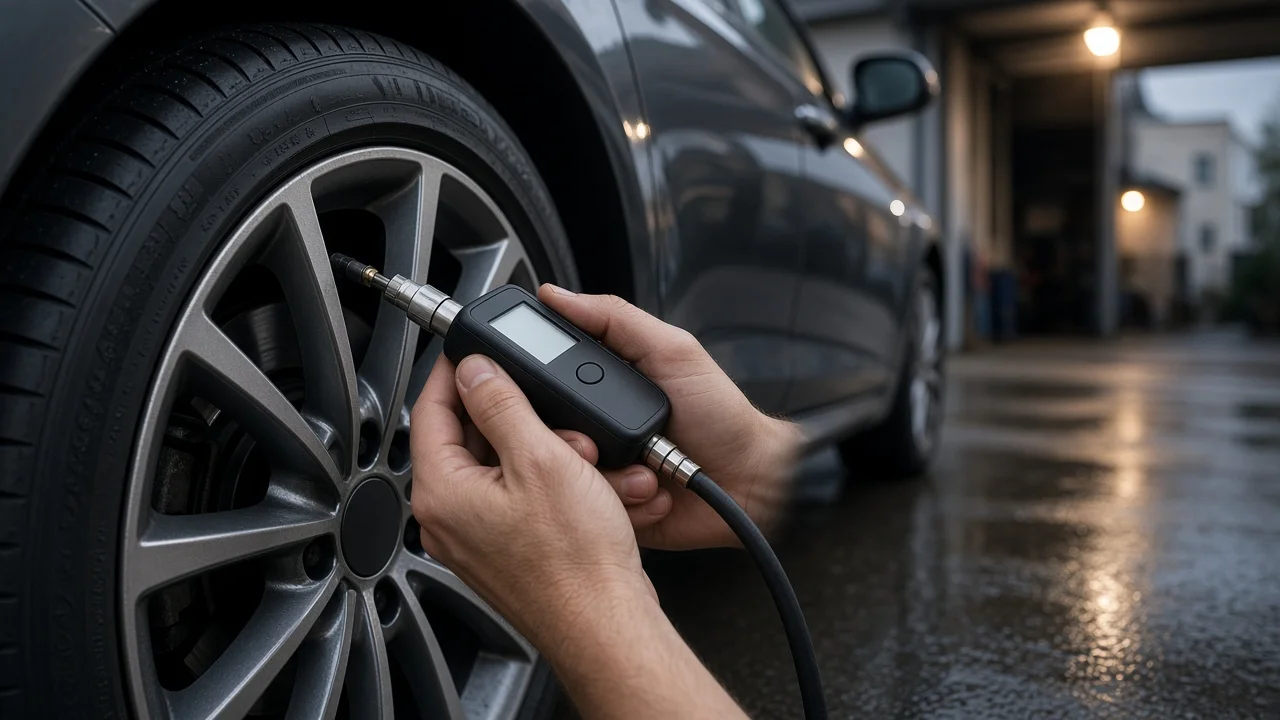
A digital tire pressure gauge should make checking inflation quick and consistent, but only if the reading you see is one you can trust. Shoppers looking at the AX Products Digital Tire Pressure Gauge typically want a practical tool that fits their valve stems, displays a clear number, and survives occasional glovebox use. Because tire pressure affects steering response, braking traction, fuel use, and tread wear, choosing the right gauge matters more than simply confirming a tire is not flat. The key is understanding what makes a handheld digital gauge accurate enough to support the vehicle specification printed on the driver’s door placard and how measurement range, units, connection, and calibration affect everyday readings.
The direct answer
The immediate question is whether this gauge is a reasonable choice for checking passenger car and light truck tires. The answer is generally yes when the unit matches the pressure range for your tires, offers a selectable psi display, and seals cleanly over the valve core. Digital gauges of this type convert the small burst of air released during connection into an electronic pressure value, so a stable connection at the valve stem and a quick, firm press are the main requirements for a repeatable result. If the gauge reads in several units, confirm it is set to psi before comparing it with the door placard.
One material condition changes the answer. A digital gauge with a wide measurement range may still be less precise at very low inflation pressures, while a narrow-range gauge can become unusable for high-pressure temporary spares or some truck tires. The useful check is whether your expected cold inflation values sit comfortably inside the gauge’s operating range rather than at its extreme edges. For most drivers, the practical takeaway is that this style of gauge is suitable when you verify the scale, keep the connection clean, and replace the battery before the display becomes dim or intermittent.