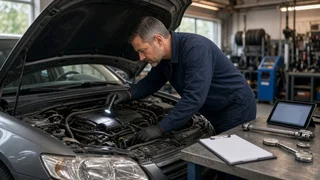
Automotive Inspection Sheet: What It Is and How to Use One Before a State Inspection
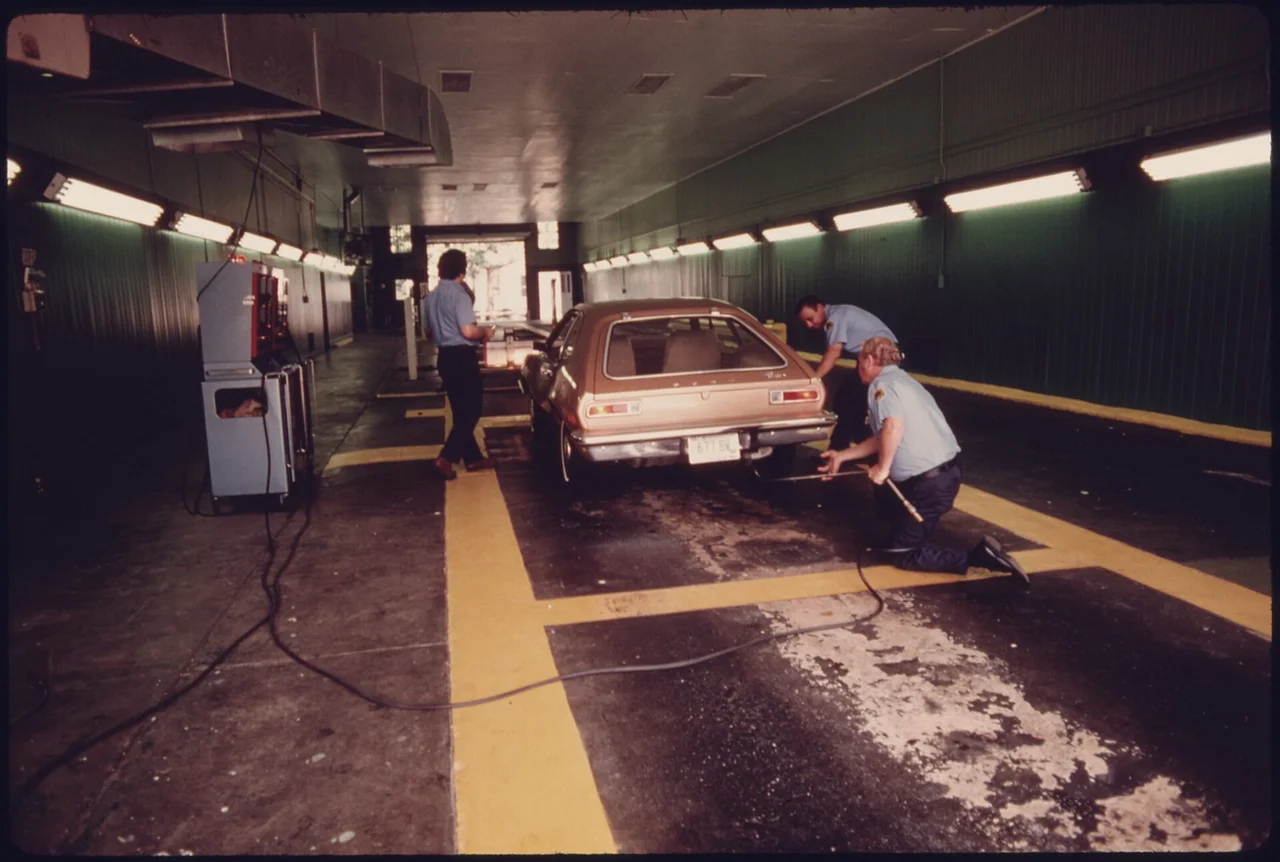
The short answer
An automotive inspection sheet is a structured checklist used to record the condition of a vehicle's safety-related and, in some cases, emissions-related components. The term covers two different documents. The first is the official form or report completed by a licensed inspector during a mandatory roadworthiness inspection, which determines whether the vehicle passes. The second is a personal checklist that an owner uses beforehand to find and fix obvious problems so the vehicle is less likely to fail. A personal checklist has no legal standing. Only the official inspection result counts toward registration or compliance.
In the United States, the most important qualification is that inspection requirements are set at the state level, and sometimes vary by county or metropolitan area. Some states require periodic safety inspections, some require only emissions testing in certain areas, and some require neither for most passenger vehicles. The official inspection sheet, the items it covers and the pass criteria depend on where the vehicle is registered. This guide could not confirm any state-specific requirements, fees, intervals or deadlines, so check those with your state's motor vehicle or environmental agency.
Official inspection report vs. personal checklist
Aspect | Official inspection sheet | Personal pre-inspection checklist; Who completes it | A licensed or state-authorized inspector | The owner or anyone helping prepare the vehicle; Purpose | Records pass or fail against state criteria | Spots likely problems before the official visit; Legal effect | Can be required for registration or renewal | None; it is a preparation tool only; Content | Defined by state rules and the inspection program | Chosen by the owner, usually modeled on common inspection items; Tools and methods | May include equipment the owner does not have, such as emissions or brake testing devices where used | Visual checks and simple functional tests
What an inspection sheet typically covers
Exact items differ by state, vehicle type and model year, but safety inspections commonly focus on systems that affect the driver's ability to see, be seen, steer and stop. Where emissions testing applies, the method can depend on the vehicle's model year and powertrain; for example, newer gasoline vehicles are often checked through the onboard diagnostic (OBD) system, a computer interface that reports stored fault codes and the readiness of emissions monitors. Treat the categories below as general areas of attention, not as an official list for any particular state.
Lighting and signals: headlights, high beams, brake lights, turn signals, hazard lights, tail lights and license plate light; Brakes: pedal feel, parking brake operation and any warning light on the dashboard; Steering and suspension: excessive play, unusual noises or visible damage; Tires and wheels: tread depth, sidewall damage and missing lug nuts; Glass and visibility: windshield cracks or chips in the driver's view, working wipers and washers, mirrors; Horn; Exhaust system: leaks, loud noise or loose components; Seat belts: presence, latching and retraction; Warning lights: especially the check engine light where emissions testing is required; Documents: registration, proof of insurance and identification as required locally
Printable personal vehicle inspection checklist
The sheet below is a general preparation aid. Print it, work through each line with the vehicle parked safely, and mark each item. It does not replace your state's official criteria, and passing every line here does not guarantee passing the official inspection.
PERSONAL PRE-INSPECTION CHECKLIST; Vehicle: ____ Year: __ Plate: __; Date checked: __ Odometer: __; Item OK Needs fix Notes; Headlights (low and high beam) [ ] [ ] ____; Brake lights (all) [ ] [ ] ____; Turn signals, front and rear [ ] [ ] ____; Hazard lights [ ] [ ] ____; Tail lights and plate light [ ] [ ] ____; Horn [ ] [ ] ____; Wipers and washer fluid [ ] [ ] ____; Windshield (cracks, chips) [ ] [ ] ____; Mirrors (present, intact) [ ] [ ] ____; Seat belts (latch, retract) [ ] [ ] ____; Tire tread and sidewalls [ ] [ ] ____; Parking brake holds [ ] [ ] ____; Brake pedal feel, no warning light [ ] [ ] ____; Steering (no excessive play) [ ] [ ] ____; Exhaust (no leaks, no loud noise) [ ] [ ] ____; Check engine light off [ ] [ ] ____; Registration in vehicle [ ] [ ] ____; Proof of insurance [ ] [ ] ____; Local requirements confirmed with state agency: [ ] Yes [ ] No
How to use the checklist effectively
Start by confirming whether your vehicle needs a safety inspection, an emissions test, both or neither, based on where it is registered. Then check the items you can verify yourself, such as bulbs, wipers, horn and tire condition, since these are simple to inspect and often inexpensive to fix. Have a helper watch the brake lights and turn signals while you operate them. Items that require lifting the vehicle or specialized equipment, such as detailed brake or suspension checks, are better left to a qualified technician if you suspect a problem.
If the check engine light is on and your area requires emissions testing, address the underlying fault before the visit. Note also that clearing fault codes or disconnecting the battery shortly before a test can reset the OBD readiness monitors, which may prevent a vehicle from being tested until it has been driven enough for the monitors to complete. How many monitors may be incomplete, and what counts as ready, depends on the state program and the vehicle's model year.
Gaps in this guide
No confirmed evidence was available for state-specific inspection items, pass thresholds such as minimum tread depth, inspection fees, renewal intervals, exemptions by vehicle age or type, or deadlines. These details vary by jurisdiction and change over time, so the official source for your state is the only reliable reference for the exact inspection sheet that applies to your vehicle.