Automatic Headlights Not Working: Causes, Checks, and When to Get Help
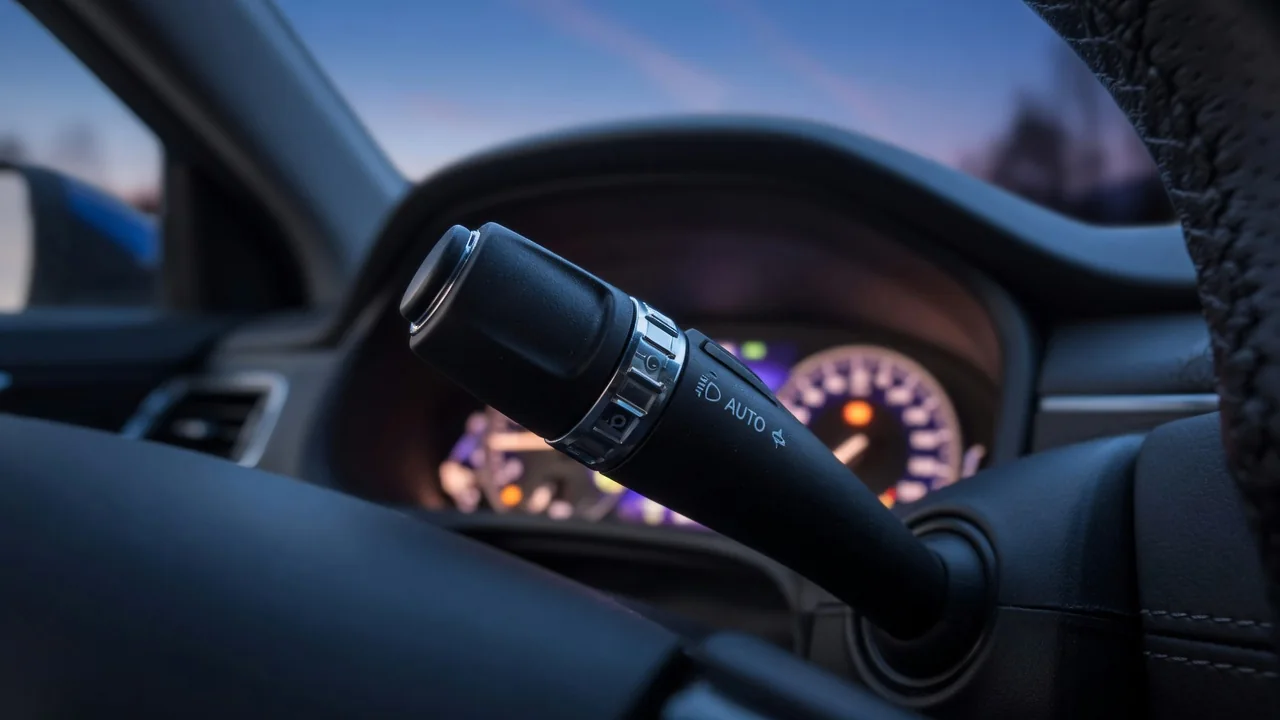
When automatic headlights are not working, the cause can be as simple as a switch left out of AUTO or as involved as a fault in the module that controls the lamps. This guide explains how the system decides when to light up and which quick checks rule out common mistakes. It also covers what owners of several popular brands should look at before booking professional diagnosis.
How Automatic Headlights Decide When to Turn On
Most automatic lighting systems rely on an ambient light sensor, usually mounted on top of the dashboard near the windshield or built into a module behind the rearview mirror. The sensor reports outside brightness. A body control module or dedicated lighting control module compares that reading against programmed thresholds before switching the lamps. Every manufacturer designs this logic differently, so thresholds, sensor placement, and related features vary widely between brands and even between model years.
Complaints usually fall into a few patterns: headlights not turning on at night, headlights that stay on during the day, lamps that flicker on and off under bridges or trees, or only daytime running lights glowing at dusk. Daytime running lights can look like full headlights from the driver's seat, so check the cluster indicator and walk behind the car to see whether the taillights are lit. A short delay before the lamps switch on or off is normal on many vehicles and keeps them from cycling constantly.
Quick Checks Before Assuming Something Is Broken
Start with the headlight switch AUTO position. Some switches return to a default setting after the ignition is cycled, so a driver may select AUTO once and find it changed the next morning. Many newer vehicles also have lighting options in the infotainment or cluster menus, including sensor sensitivity settings or toggles that disable automatic operation. Check the lighting settings section of the owner's manual to confirm whether your vehicle offers these menus before assuming the feature is broken.
Next, look at the auto headlight sensor area. Dash mats, phone mounts, parking passes, stickers, and heavy window tint can all distort what the sensor sees. Test the system in a reliably dark place, such as a closed garage, rather than at dusk, when light levels sit near the switching threshold. Finally, turn the headlights on manually. If manual mode also fails, the problem likely involves bulbs, fuses, or wiring rather than the automatic control itself.
Lexus and Toyota Camry Automatic Headlight Problems
If your Lexus automatic headlights are not working, or a Toyota Camry has similar trouble, remember that sensor location, switch layout, and adjustable settings depend on the model and year. The owner's manual for your exact vehicle is the reference to trust, since forum advice about one generation may not apply to another. Begin with safe observations: confirm that the AUTO indicator appears in the cluster and note whether any lighting warning message is displayed.
In daylight with the switch in AUTO, cover the sensor with your hand for several seconds and watch whether the lamps respond after the normal delay. A response suggests the control side works and the issue may be sensitivity or obstruction. Some owners mention sensitivity adjustments, but these may require dealer or scan-tool configuration, and no single procedure fits every model year. If manual mode works but AUTO never responds, or warnings appear, have a dealer or qualified shop inspect the system.
Honda and CR-V Automatic Headlights Not Turning On or Off
When Honda automatic headlights are not working, including on the CR-V, confirm the switch position first. Then look for customizable lighting settings in the vehicle settings menu if your model has one. The owner's manual for your model year explains which options exist. It also helps to separate two different behaviors. Lights that come on too early or too late usually point to a sensor reading the wrong light level, while no response at all suggests a control or circuit fault.
Recent windshield replacement or dash work deserves attention, because either can leave the sensor area covered, misaligned, or disconnected. That is a reasonable thing to check, not proof of the cause for any particular vehicle. If the switch is set correctly, the settings look normal, the sensor is uncovered, and the lamps still ignore changing light, stop adjusting menus. A dealer or shop can scan the lighting and body systems and view live sensor data instead of guessing.
Ford Escape and Explorer Automatic Headlight Issues
On a Ford Escape or Ford Explorer with automatic headlights that are not working, start with the same check: confirm the headlight control is in the automatic position and review any lighting options in the cluster or touchscreen menus, if equipped. The owner's manual for your model year lists what your vehicle supports. Some vehicles also have wiper-activated headlight features that turn the lamps on in rain regardless of brightness, which can make the behavior seem random. Whether this applies varies by vehicle.
Before visiting a shop, write down when the fault occurs: time of day, weather, whether it happens right after starting, and whether it began after a battery change or jump start. These notes help a technician reproduce an intermittent problem. If flickering lights coincide with other electrical oddities, such as gauge glitches, radio resets, or warning lights, that pattern calls for professional testing of power, ground, and module communication rather than more trial and error.
Audi and Chevrolet Trailblazer Automatic Headlights Not Working
Whether the automatic headlights are not working on an Audi or on a Chevrolet Trailblazer, one rule applies: lighting features and their settings vary by model, trim, and year, so the owner's manual is more reliable than general advice. If the cluster shows a lighting warning message or bulb-out indicator, write it down exactly as displayed or photograph it. That wording helps a technician narrow down whether the issue involves a lamp circuit, a sensor, or the control logic.
Vehicles with adaptive headlights, complex lighting modules, or combined rain and light sensors often need a scan tool that can communicate with the lighting and body modules, not just the engine computer. A basic code reader may show nothing even when lighting faults are stored. Any diagnostic trouble code should be interpreted with manufacturer-specific information, because the same code format can mean different things across brands. Treat a code as evidence that points toward further testing, not as proof that a part has failed.
When to Stop Troubleshooting and Get Professional Testing
Until the problem is fixed, switch the headlights on manually whenever visibility drops, and drive carefully at dusk, in tunnels, in parking garages, and in rain or fog. Daytime running lights alone may leave the taillights dark and the road poorly lit. Some symptoms call for a technician right away: burning smells, melted or discolored connectors, fuses that blow repeatedly, warnings across several systems, or headlights that will not turn off and may drain the battery.
Avoid taking apart the dash, sensor housing, or headlamp assembly yourself. Trim clips break easily, nearby wiring is easy to pinch, and headlamp connectors can be damaged by forcing them. A shop typically checks the sensor input, the switch signal, live data from the controlling module, and stored codes. Where those readings disagree, it then tests the wiring and power supply. That process confirms the actual fault before parts are replaced, which avoids guesswork and repeat visits.