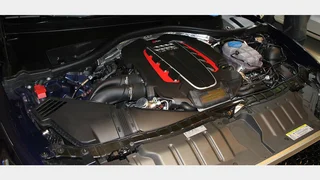
Audi 1.8 TFSI Timing Chain
The Audi 1.8 TFSI engine timing chain question usually starts with a noise, a diagnostic code, or a service warning. This direct-injection turbocharged four-cylinder uses a chain instead of a rubber belt to synchronize the camshafts and crankshaft. Chain drives can last a long time, but they are not maintenance-free. Wear, tensioner behavior, oil pressure, and service history all influence how the system ages. Understanding the chain path, the role of the guides and tensioner, and the conditions that produce symptoms helps an owner interpret what the engine is reporting before any major work is approved.
Essential answer
The Audi 1.8 TFSI timing chain coordinates valve and piston movement through a metal link chain located at the rear of the engine, near the transmission side. Unlike a belt with a fixed replacement interval, the chain is designed for long service, but the surrounding components can wear. The tensioner and plastic guide rails take up slack and control chain path. When they degrade, the chain may rattle briefly on a cold start, set a correlation diagnostic code, or allow camshaft timing to drift. The essential answer is therefore a system answer: the chain itself is only one part of a wearing assembly.
Because this engine has appeared in several vehicle applications, the exact layout, access method, and repair scope can differ. A rattling sound does not automatically prove the chain has stretched. Engine configuration, oil condition, and the tensioner's ability to hold position after shutdown all affect the symptom. Service history matters because neglected oil changes can accelerate guide wear and reduce tensioner response. Inspection should focus on chain slack, guide condition, and camshaft correlation values. Manufacturer specifications and diagnostic codes provide the supported path, but vehicle-specific confirmation is needed before concluding that the chain requires replacement.