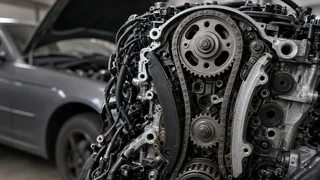
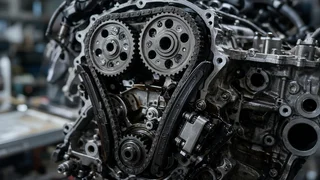
Audi Engine Timing Chain
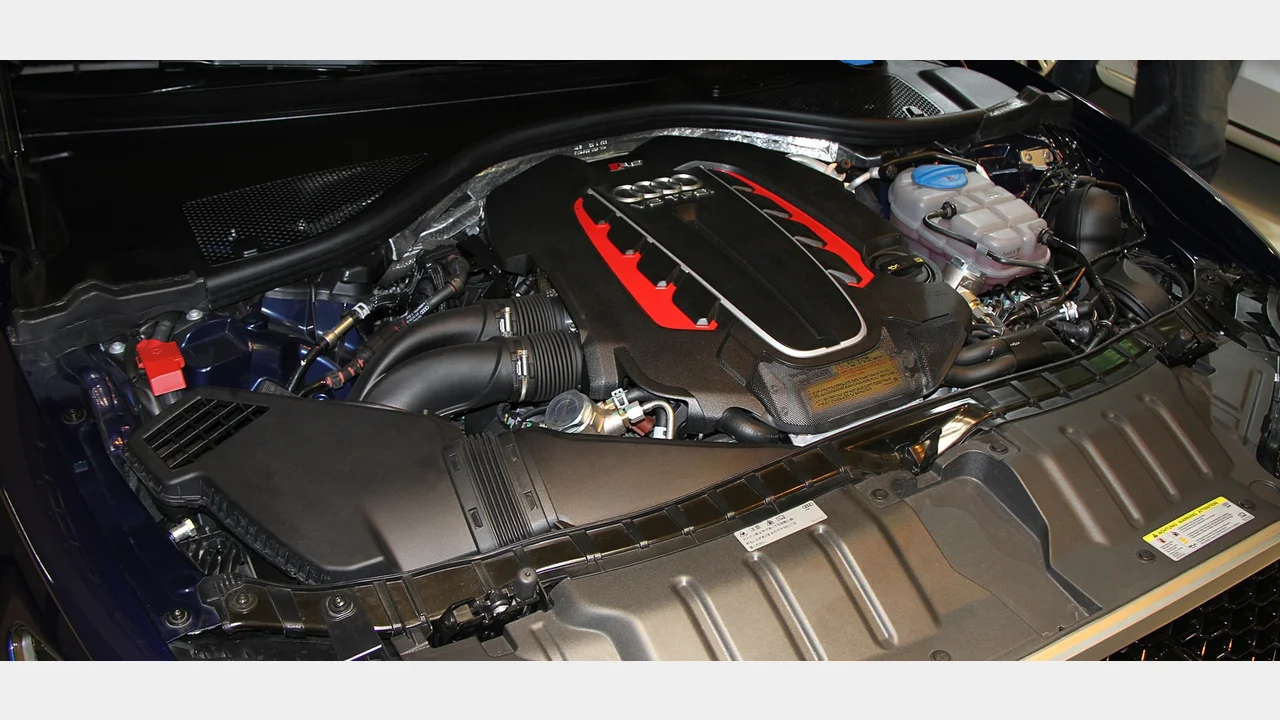
A timing chain coordinates crankshaft and camshaft rotation inside an Audi engine, keeping valve events synchronized with piston movement. Unlike a rubber belt, this metal chain is designed for long service life and lives inside the front timing cover, where it receives engine oil. Drivers typically research this component when interpreting cold-start rattle, diagnostic trouble codes, or oil-pressure observations. Understanding the chain system, its related guides and tensioners, and the role of service history helps separate normal operating noise from wear-related symptoms before any repair decision is made.
Essential answer
The essential answer is that an Audi engine timing chain is the internal metal link assembly connecting the crankshaft to the camshafts, replacing a belt on many modern designs. Its scope includes not just the chain itself, but also plastic or metal guides, a hydraulic or spring tensioner, and sprockets. Because the chain is oil-lubricated and enclosed, its condition is closely tied to oil level, oil pressure, and maintenance intervals rather than a fixed replacement schedule. This distinction matters when a symptom appears: the chain may be healthy while a tensioner or guide is the actual noise source.
Different engine configurations affect how the chain behaves. A narrow-angle V6 often places the chain at the rear of the power unit, making physical inspection more involved, while an inline four frequently keeps it at the front. Symptom conditions such as a brief metallic rattle immediately after a cold start, followed by quiet operation once oil pressure builds, typically point toward chain control rather than the chain links themselves. Diagnostic codes may record correlation faults between crankshaft and camshaft sensors, which is a starting point for measured inspection, not automatic proof that the chain has stretched. Manufacturer specifications and service history help determine whether the observed behavior is within acceptable cold-start strategy or indicates progressive wear.