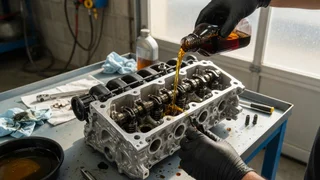
Atom oil engine treatment
Choosing an oil engine treatment starts with understanding what the product is supposed to do, how it behaves in a crankcase, and which signs suggest a lubricant-related concern rather than a mechanical fault. For someone researching Atom oil engine treatment, the useful next step is to check the label, the safety and application notes, and the compatibility language before purchasing. Because oil additives sit inside a running engine, simple choices about lubricant specification and fill quantity can change results more than marketing terms do. A careful purchase decision protects both the engine and the warranty position.
The direct answer
The direct answer is that Atom oil engine treatment should be evaluated only through the information supplied on its current container, and no reliable published specification was available to confirm exact claims here. Before adding any treatment, a buyer should verify the lubricant specification the maker states, the recommended fill quantity for the engine, and whether the formulation carries a manufacturer approval for that vehicle. If the package lacks clear compatibility guidance, that gap is itself a reason to pause rather than assume the additive suits every engine.
Practical reasoning starts with a level check and a review of the existing oil condition. An additive cannot correct a low oil level, and it will not resolve a mechanical noise caused by worn bearings, chain tensioner problems, or a failing variable valve timing component. The sensible condition changing the answer is the engine’s current state. A treatment may be considered only when the base lubricant is at the correct level, the service interval is current, and the product’s stated use matches the engine design and any turbo, direct injection, or emissions equipment.