Are Textar brake pads good
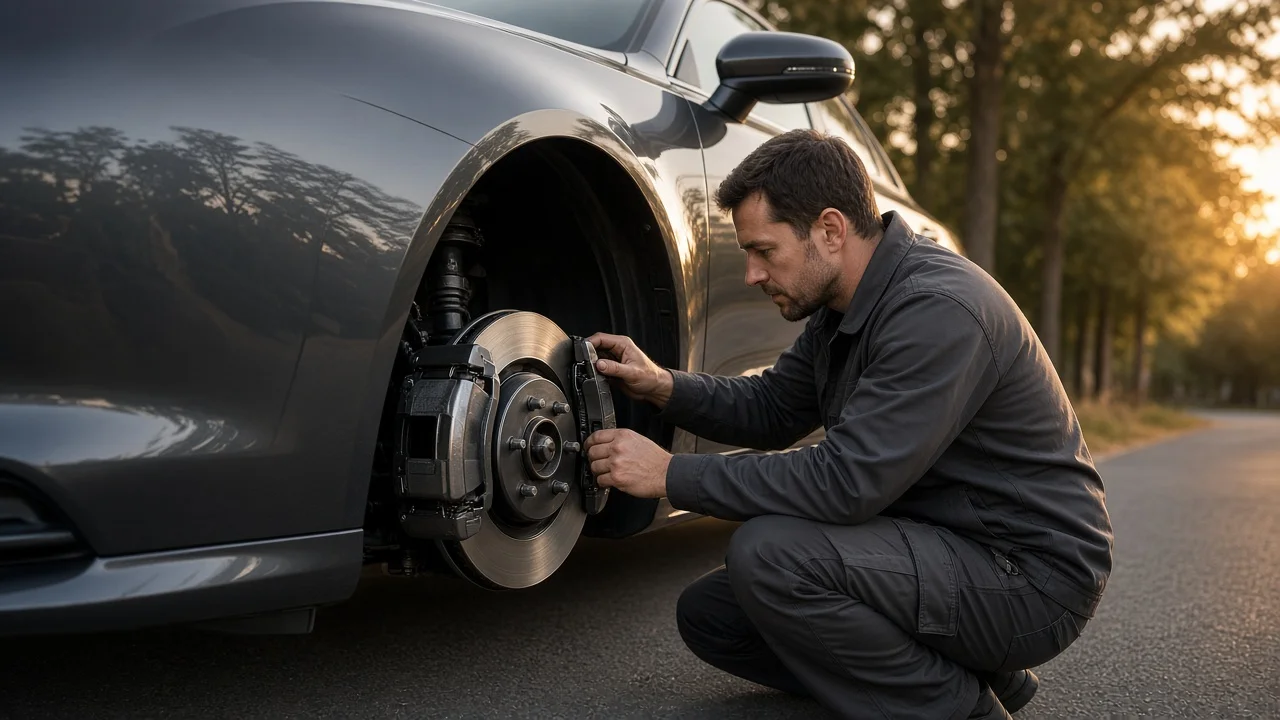
Choosing replacement brake pads often comes down to whether a brand can deliver consistent stopping power without excessive noise, dust, or rotor wear. Textar sits in that conversation because the name is associated with original-equipment supply for several European manufacturers, yet many US shoppers still ask whether Textar brake pads are good for their own vehicles. The answer depends on matching the correct friction material to the intended use, checking vehicle fitment, and understanding how the pads interact with brake rotors, brake fluid, calipers, and wear limits. A pad can perform well on one platform and feel different on another, so the buying decision should focus on application rather than brand reputation alone.
The direct answer
Textar brake pads are generally considered a solid choice when they are selected as a direct replacement for a vehicle where the brand reflects original-equipment-style friction behavior. The primary condition is fitment: the pad must match the caliper, rotor size, and friction specification intended for that platform. Without that match, even a well-made pad can produce excess noise, increased pedal effort, or faster rotor wear. For drivers who prioritize predictable cold bite, stable hot performance, and moderate dust, Textar can be good, but the specific compound and vehicle application matter more than the brand name alone.
The practical way to judge whether Textar pads are good for your car is to compare the replacement set against the original friction behavior and your own driving conditions. A commuter vehicle needs consistent low-speed modulation and quiet operation, while sustained downhill or loaded use asks more from the friction material before it fades. Textar offers different pad lines, so one set may be formulated for everyday road use and another for heavier duty. Check that the selected kit is listed for your exact caliper and rotor combination, and consider whether the expected dust level and initial bite align with how the vehicle is actually driven.