Using Anti-Seize on Brake Calipers: Where It Belongs and Where It Doesn't
The short answer
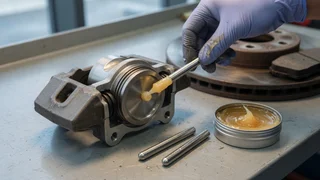
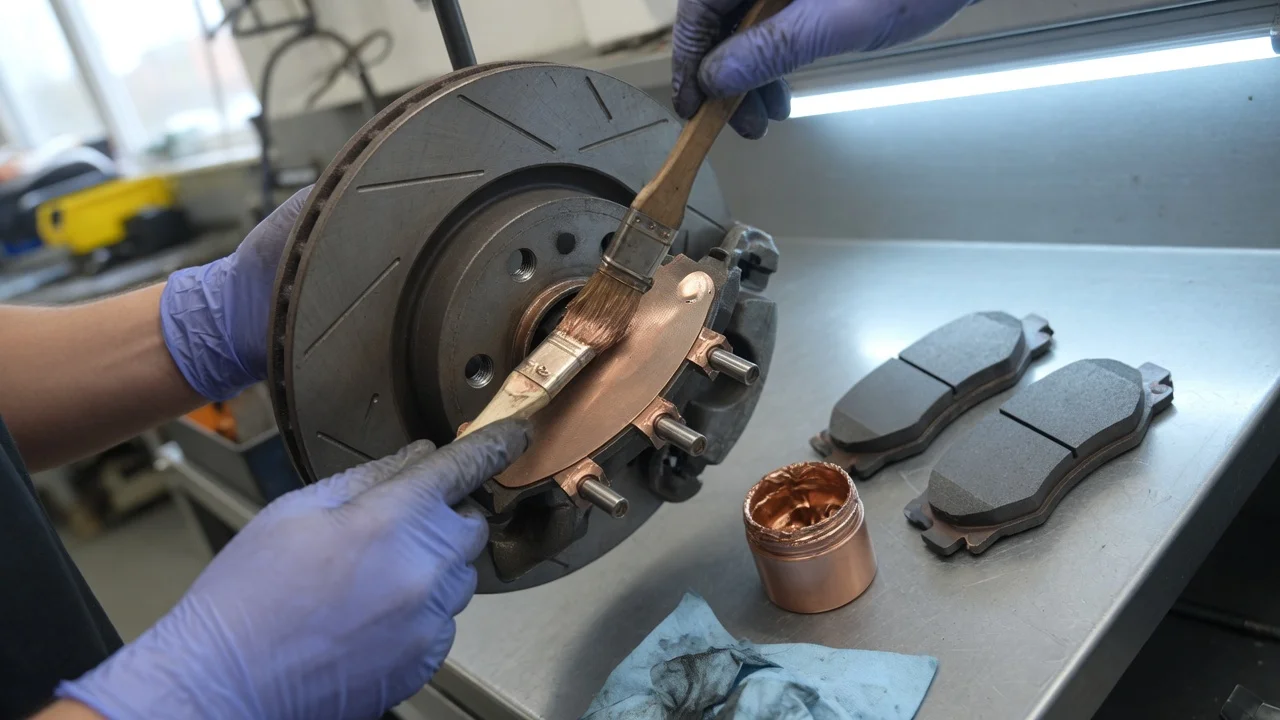
Anti-seize has only a limited role on a brake caliper assembly, and much of the caliper should not get it. It can work on some metal-to-metal contact points that tend to corrode together. The caliper slide pins should get a brake-specific lubricant instead, usually a silicone-based caliper grease that won't harm their rubber boots. Anti-seize must never touch the pad friction material or the rotor braking surface. Bolt threads should be lubricated only if the vehicle's service information allows it.
The most important qualification is that recommendations differ by manufacturer, vehicle and brake design. The service manual or the brake component maker's instructions for your model year and trim take priority over any general rule. No vehicle-specific specifications were supplied for this article, so the guidance below is general practice, not a documented procedure for any particular car.
What anti-seize is meant to do
Anti-seize is a paste of lubricant and fine solid particles, commonly copper, nickel, aluminum or ceramic. It keeps metal parts from corroding or galling together so they can be taken apart later. It is not built to be a long-life lubricant for parts that slide. That difference explains why it suits some brake surfaces and not others.
Where it is commonly used, and where it should not go
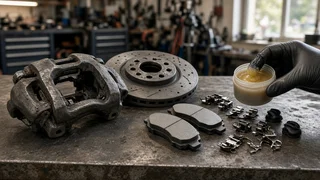
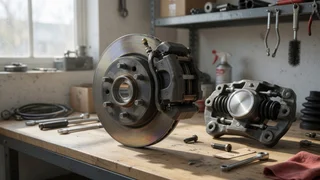
Location | Common practice | Main concern; Hub face or rotor centering bore | A thin film of anti-seize is often used | It must not migrate onto the friction surface; Pad backing plate ears or abutment points | Anti-seize or a brake-specific grease, depending on the pad maker | Follow the pad instructions; some pads and hardware come pre-treated; Caliper slide or guide pins | Silicone-based brake caliper grease, not general anti-seize | Incompatible lubricants can swell or degrade rubber boots and bushings; Caliper and bracket bolt threads | Only if the service information allows it | Lubricant changes the clamp load at a given torque; many bolts are specified dry or with threadlocker; Pad friction material and rotor braking surface | Never | Contamination reduces braking performance; Bleeder screw | Generally avoided | Risk of contaminating the brake fluid
Why bolt torque is the critical caveat
Torque specifications assume a certain thread condition, such as dry, oiled, or coated with threadlocker. Lubricating threads with anti-seize lowers friction, so the same wrench reading can produce more clamping force than intended. That can overstress the bolt or the threads. On the other hand, some caliper bracket bolts come with a pre-applied locking compound that anti-seize would defeat. Because these bolts hold the caliper to the vehicle, use the specified thread condition and torque for your vehicle. If that information is not available, do not improvise; get the correct procedure first.
Choosing a compound
Where anti-seize is appropriate, many people choose a nickel or ceramic formula for brake work. Copper-based products are also widely used, but some vehicle makers advise against copper compounds near certain brake or sensor components. Whether copper or another formula suits your car depends on the vehicle, so check the manufacturer's guidance. For slide pins, pick a lubricant labeled as compatible with brake caliper rubber components. Whatever you use, a thin film is enough. Excess compound can collect dirt or spread onto braking surfaces.
Gaps in this guidance
No manufacturer service data, torque values, product specifications or test results were supplied for this article. It therefore cannot say whether a particular vehicle's caliper bolts should be dry, oiled or threadlocked. It also cannot say which anti-seize formula a specific brake system calls for. Check those details in the service information for your exact model year, generation and market before you assemble the brakes.