Annual Car Maintenance Budget: Planning Routine Service Costs
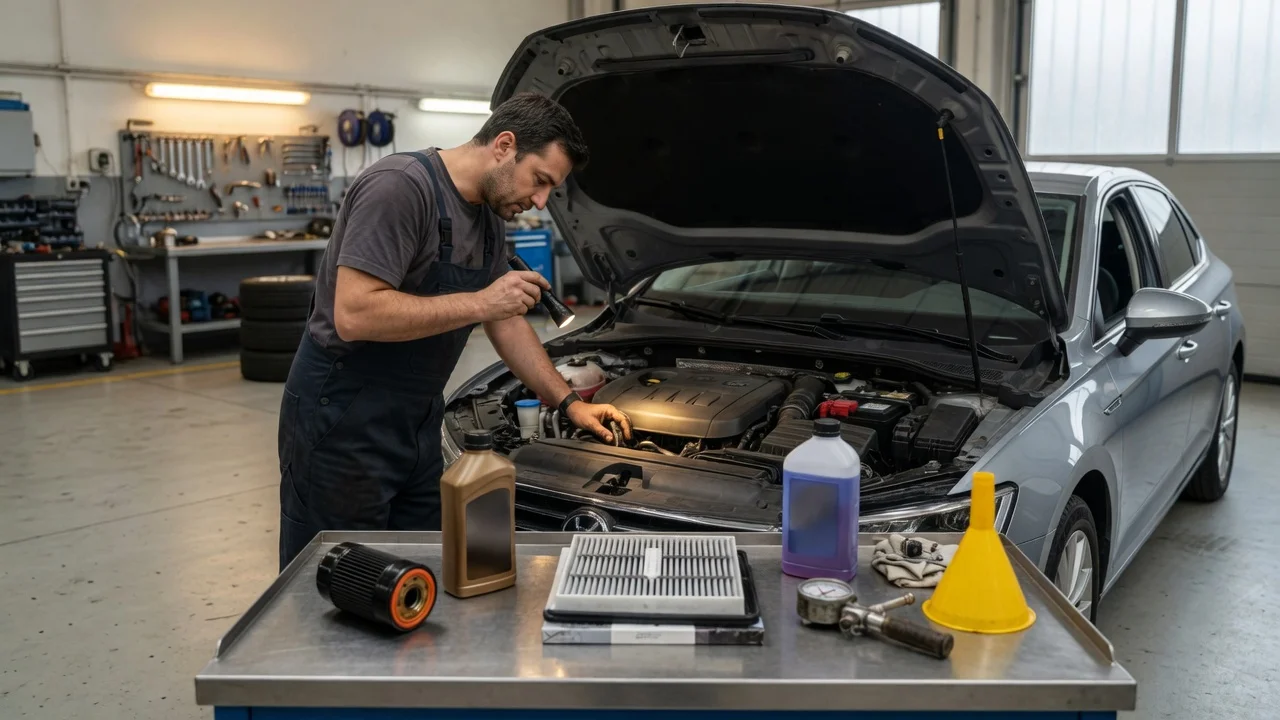
What is car maintenance?
Car maintenance is the scheduled work required to keep a vehicle safe, reliable, and in usable condition. It is distinct from repairs, which address failures or damage. A maintenance budget covers recurring consumables such as oil, filters, coolant, brake fluid, wiper blades, and tires, along with scheduled inspection and replacement labor. The useful planning figure is the annual total for routine service, not a single national average, because the amount changes with vehicle type, powertrain, market, and annual distance.
Do electric vehicles cost less to service?
Battery-electric vehicles typically carry fewer routine fluid and component services than combustion vehicles. They have no engine oil and filter interval, no spark plugs, and generally lighter brake pad demand because regenerative braking reduces friction braking use. They still require cabin air filter replacement, tire rotation and replacement, brake fluid service, coolant service, and periodic chassis inspection. Published maintenance estimates often show lower scheduled costs for electric vehicles, but those savings vary by model and should not be assumed to offset unpredictable tire or suspension costs.
Use the owner's manual schedule, not generic averages
The first step in planning a car maintenance budget is to identify the service schedule for the exact model year and engine or motor. Automakers publish normal and severe-service schedules. Severe service usually applies when driving includes frequent short trips, extreme heat or cold, dusty roads, towing, or repeated stop-and-go traffic. Following the wrong schedule can overstate or understate annual costs. Component intervals—such as engine oil, transmission fluid, coolant, brake fluid, cabin and engine air filters, drive belts, and spark plugs—are model-specific.
Typical routine maintenance categories
Engine oil and filter changes; Engine and cabin air filter replacement; Brake fluid service and brake inspection; Coolant service and system inspection; Tire rotation, balancing, and replacement; Wiper blade replacement; Battery testing and replacement; Scheduled belt, hose, and spark plug replacement
Many of these items are interval-based rather than calendar-based. A driver covering 6,000 miles per year may replace engine oil on a time interval while a driver covering 20,000 miles may hit the same interval several times. This is why annual cost planning should begin with expected mileage.
How annual mileage shapes the budget
Low-mileage ownership concentrates costs in time-based items: annual oil changes, corrosion inspection, fluid checks, and possibly battery replacement. High-mileage ownership accelerates wear items: more oil services, faster filter loading, and shorter tire life. Tires are often the largest single maintenance cost for high-mileage vehicles, so a realistic annual plan should include the purchase price of tires divided by their expected life in years.
Which vehicles tend to cost more?
Maintenance cost also follows vehicle configuration. Performance models may use more expensive oil, larger brakes, and specialized tires. Trucks and full-size SUVs typically use more fluids and heavier-duty components. All-wheel-drive vehicles add a rear differential or transfer-case fluid service. Turbocharged engines can have shorter oil-change intervals and more heat-sensitive hoses. Luxury vehicles may require premium materials and dealer-only service steps, raising the same routine task's cost.
Build a realistic annual service plan
Confirm the maintenance schedule for your model year and powertrain; Estimate annual mileage and identify which service items will occur; Separate regular consumables from long-life replacements; Add tire cost by dividing purchase price by expected life; Compare independent shop and dealership pricing by service item; Keep an emergency allowance for uncovered wear such as brakes or a failing battery
A practical annual car maintenance budget is a lineup of expected services, not a single guessed number. Once the next 12 months of scheduled items are listed, their combined parts and labor cost becomes the planning figure. Vehicles still outside their warranty can use independent shops rather than dealerships, which may reduce the same service cost without changing the required work.
What the budget does not cover
Routine maintenance budgeting does not cover collision repair, warranty work, fuel, insurance, registration, or unexpected part failure. It also does not cover repairs that become more likely with age, such as suspension bushings, alternators, water pumps, or air-conditioning components. Keeping those items separate helps prevent the maintenance plan from hiding the true cost of ownership. Where no specific service price is available for a model and market, the honest planning approach is to obtain local estimates rather than substitute an unsupported national average.