Hybrid Car Maintenance Costs: What to Budget for Ownership
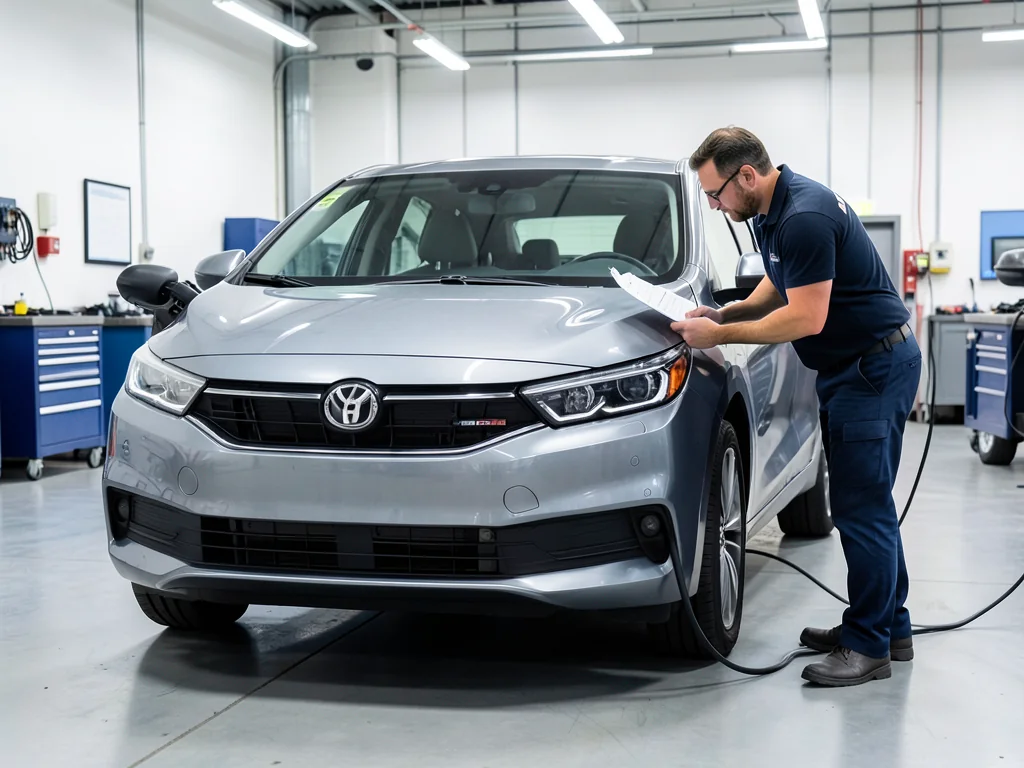
Hybrid car maintenance cost is not a single figure; it depends on how the vehicle is used, its age, and which services it actually needs. Owners often ask, "Are hybrid car maintenance costs higher?" The honest answer is that some items cost less over time, while others demand careful budgeting. Understanding the mix of routine care, wear items, and possible high-voltage repairs helps answer whether hybrid car maintenance is expensive for a particular driver.
What Determines Whether Hybrid Maintenance Feels Expensive
A hybrid powertrain alone does not determine whether maintenance will feel expensive. The vehicle's design, age, mileage, condition, and service requirements shape each bill. A well-maintained low-mileage hybrid can have modest routine costs, while an older high-mileage example may need more involved work. Maintenance estimates must separate scheduled services from wear-item replacement and unexpected repairs; otherwise, an owner cannot tell a normal oil change from a costly fault.
Maintenance spending should not be confused with fuel, insurance, financing, or depreciation. Those expenses follow different cycles and change for reasons unrelated to servicing. A hybrid may save fuel compared with a conventional car of similar size, but that saving belongs in a separate column of an ownership budget. Isolating maintenance lets owners judge whether their hybrid car maintenance costs are reasonable and where the largest long-term expenses are likely to appear.
Routine Services to Include in a Hybrid Maintenance Budget
Hybrids with combustion engines still require many of the same services as conventional cars. Engine oil and filter changes remain part of routine maintenance, along with air filters, spark plugs where applicable, and coolant service on a schedule set by the manufacturer. Skipping these items to save money can shorten engine life and create larger repair bills. A maintenance schedule for the exact model and operating conditions is the only reliable way to know what is due and when.
Tires, alignment, brake fluid, cabin filters, and the low-voltage battery are all potential budget categories. Tires wear with mileage and driving style regardless of powertrain, and alignment issues can accelerate that wear. Brake fluid absorbs moisture over time and needs periodic replacement even on hybrids that use regenerative braking heavily. Annual mileage, local labor rates, and documented service history also affect routine spending, so two owners of the same model can see very different annual costs.
How Regenerative Braking Affects Brake Service
Regenerative braking recovers energy during deceleration and sends it back to the traction battery, which reduces friction-brake use in many driving situations. The conventional brakes remain essential for hard stops, holding the car still, and emergency maneuvers. Because the brake pads and rotors may see less friction heat and wear, some hybrid owners experience longer brake service intervals than owners of similar non-hybrid cars, but that benefit is never guaranteed.
Brake wear depends on driving conditions, braking habits, and the vehicle's control strategy. A driver who brakes late and hard or drives mostly in hilly areas will use the friction brakes more. Corrosion, sticking components, and age-related deterioration can also require attention even when friction-brake use is limited, especially in regions with road salt or high humidity. Grinding, changed pedal feel, or brake warnings are reasons for prompt professional assessment rather than at-home diagnosis.
Battery and Hybrid-System Repairs as Long-Term Expenses
Traction-battery replacement should be treated as a possible repair expense, not an automatic scheduled maintenance event. Many hybrids operate for years without battery trouble, while others may need attention as they age. Battery condition, thermal management, vehicle age, usage patterns, and diagnostic findings all influence repair planning. A fault code related to the hybrid battery is evidence to interpret, not proof that the entire battery pack has failed; a qualified diagnosis may find a simpler cause.
Battery cooling maintenance is required only where the manufacturer specifies it. Some designs use air-cooled packs with filters that may need cleaning or replacement; others use liquid cooling with its own service items. Owner-accessible checks should be limited to what the owner's manual describes. High-voltage warnings or changes in vehicle behavior, such as reduced electric-only range or unusual charging behavior, do not establish which component has failed. Qualified diagnosis is required, and high-voltage repair work should be left to trained technicians.
Build a Budget Around Service Records, Coverage, and Estimates
A vehicle-specific ownership budget starts with the scheduled services listed in the maintenance guide for the exact model, adjusted for the owner's annual mileage and typical driving conditions. Known wear needs, such as tires and brakes, should be estimated with help from past records. An allowance for unexpected repairs completes the budget; this allowance is not a prediction of hybrid battery failure but a recognition that any complex machine can need unscheduled work.
Before paying for a major repair, verify applicable warranty terms, eligibility, exclusions, and remaining coverage. Not every hybrid component is covered for the same period, and coverage may depend on state or provincial rules. Request an itemized estimate that identifies diagnosis, parts, labor, and the evidence supporting each recommended repair. For a used hybrid, service records and a professional inspection are valuable, but neither guarantees future battery health or repair costs.