Alfa Romeo Car Prices: What Determines the Cost and What to Check Before You Buy
There is no single Alfa Romeo price. What you pay depends on the model, the trim level and powertrain, whether the car is new or used, its model year and condition, where you buy it, and which charges are included in the quoted figure. The gap between an entry trim and a high-performance version of the same model can be very large, and a used example can cost a fraction of what it sold for new. The most reliable way to answer the question for your situation is to define the exact car you want, then compare out-the-door quotes and current market valuations for that configuration.
The Short Answer: What Alfa Romeo Cost Depends On
Alfa Romeo is positioned as a premium brand in the US, so its cars generally compete on price with other upscale European and Japanese makes rather than with mainstream brands. Within that positioning, the factors below move the price the most.
Model: a compact SUV, a midsize sedan and a midsize SUV start at different price points. Trim level and powertrain: higher trims add equipment, all-wheel drive, larger wheels or more powerful engines, and the top performance versions sit well above the rest of the range. Model year: newer cars usually cost more, and a mid-cycle update can change both equipment and price. Vehicle condition and mileage: these dominate used-car pricing. Regional market: dealer inventory, local demand and state taxes and fees vary across the US. Included charges: an advertised price may or may not include destination, dealer fees, taxes and registration.
Models in the Recent US Lineup
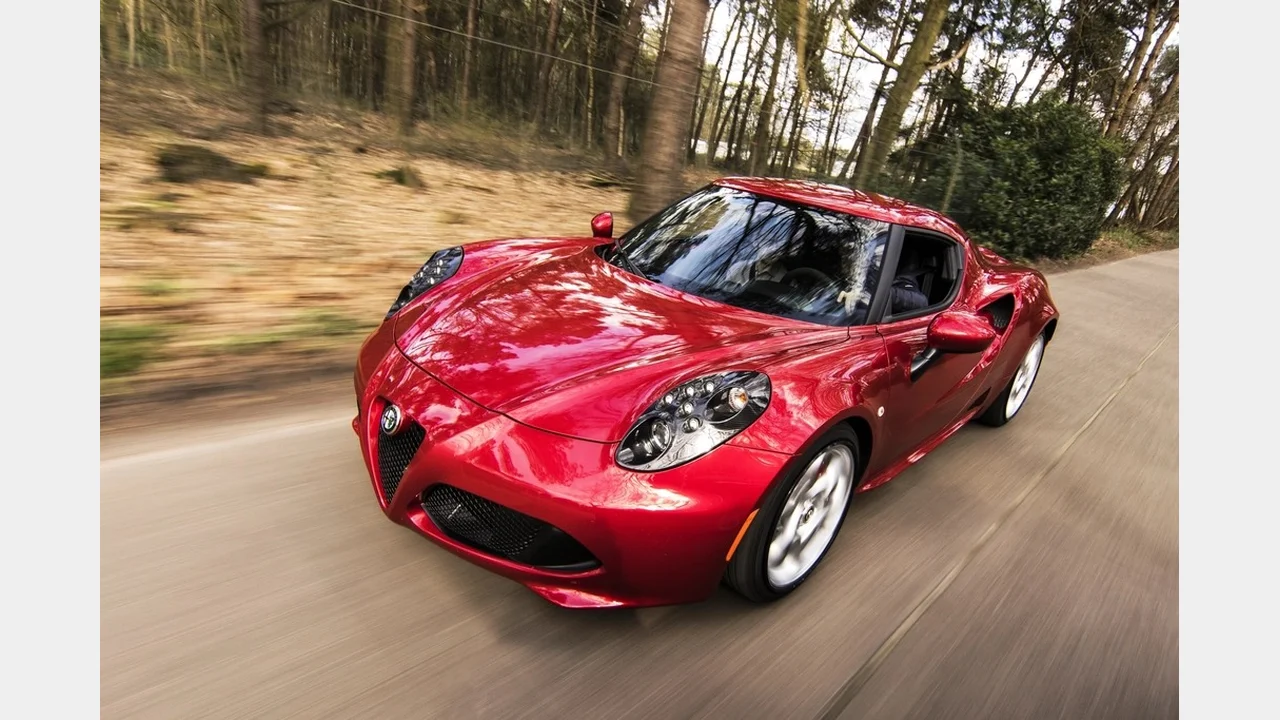
In recent years, the US lineup has centered on three nameplates: the Giulia sports sedan, the Stelvio midsize SUV and the Tonale compact SUV, which has been sold in the US as a plug-in hybrid. Giulia and Stelvio have also been offered in Quadrifoglio form, the brand's high-performance designation, which carries a substantially higher price than the standard versions. Older or limited models such as the 4C sports car appear only on the used and collector market.
Lineups, trim names and powertrains change between model years, and Alfa Romeo has announced next-generation versions of its core models. Before comparing prices, confirm which models, trims and engines are actually offered for the model year you are considering, because a price for one year may not apply to the next.
How Trim Level and Powertrain Affect the Price
A trim level is a predefined package of features within a model. Moving up a trim typically adds comfort, technology or appearance upgrades, and sometimes a different suspension or drivetrain. On top of trims, optional packages and individual options can add a meaningful amount to the final price.
Check whether all-wheel drive is standard or optional on the trim you want. Compare engine outputs between trims; performance versions use different engines and components, not just added features. Note which driver-assistance, audio and technology features are bundled into packages rather than included. On a plug-in hybrid, confirm the battery and charging equipment specifications for that model year. When comparing two quotes, make sure the trim, options and paint are identical; small differences in equipment can explain a large price gap.
New Alfa Romeo Pricing: Understanding the Quote
For a new car, the manufacturer's suggested retail price (MSRP) is a starting reference, not necessarily what you will pay. The actual transaction price can land above or below MSRP depending on inventory, incentives and dealer pricing. The figure that matters most is the out-the-door price: the total you pay to drive the car away.
Charge | What it is | What to check; Base MSRP | Manufacturer's suggested price for the model and trim | Confirm the exact model year and trim; Options and packages | Factory-installed extras | Match the window sticker to the quote; Destination charge | Fee for shipping the car to the dealer | Whether the advertised price includes it; Dealer add-ons | Accessories or protection products added by the dealer | Whether they are optional and removable; Documentation fee | Dealer fee for processing paperwork | Amount and whether it is negotiable in your state; Taxes, title and registration | Government charges set by state and locality | Calculated for your place of registration; Incentives | Manufacturer rebates, financing or lease offers | Eligibility rules and expiration dates
Ask every dealer for a written, itemized out-the-door quote for the same configuration. This makes offers directly comparable and exposes add-ons or fees that were not part of the advertised price. Manufacturer incentives, special financing and lease offers change frequently and can differ by region, so verify current offers with the dealer rather than relying on older listings.
Used Alfa Romeo Prices: Condition, Mileage and Market Valuation
Used prices are driven by model year, trim, mileage, condition, ownership history and local supply. Premium European cars as a group often lose value faster than many mainstream vehicles in the first years of ownership, and Alfa Romeo has generally followed that pattern. For a buyer, that can mean a used example offers a lot of car for the money; for an owner, it means resale value deserves attention before buying new.
To judge whether a used asking price is fair, compare it with a market valuation from established pricing guides and with similar cars listed in your region. Enter the exact trim, options, mileage and condition, since a valuation for the wrong trim can be badly off.
Get a vehicle history report and check for accidents, title problems and the number of owners. Ask for service records and confirm that scheduled maintenance was done on time. Check for open safety recalls on the specific vehicle identification number. Have an independent inspection done, preferably by a shop familiar with European vehicles. Confirm how much of the factory warranty remains, if any, and whether a certified pre-owned program applies. Test every electronic feature, including infotainment, driver-assistance systems and warning lights.
Ownership Costs Beyond the Purchase Price
The sticker or asking price is only part of what an Alfa Romeo costs. Before deciding, estimate what the car will cost to keep and run.
Insurance: premium and performance models can cost more to insure; get quotes for the exact trim before buying. Fuel or charging: check the recommended fuel grade for the engine, and for a plug-in hybrid, whether you can charge at home. Maintenance and repairs: parts and labor for European premium brands are often more expensive than for mainstream makes, and access to qualified service depends on how close you are to a dealer or specialist. Tires and brakes: larger wheels and performance tires usually cost more to replace. Depreciation: expected resale value affects the true cost of ownership, especially if you plan to sell within a few years. Extended warranty or service plans: compare their price and coverage against your expected ownership period.
Next Steps Before You Buy
Decide on the model, model year, trim and powertrain you want, and note the must-have options. Check current incentives and lease or financing offers for your region. Request itemized out-the-door quotes from more than one dealer for the identical configuration. For a used car, compare the asking price with market valuations and similar local listings, then arrange an independent inspection. Get insurance quotes and estimate running costs before committing. Compare the total cost against one or two rival premium models to confirm the Alfa Romeo is the right value for you.
Pinning down the exact configuration first is what turns a vague question about Alfa Romeo car cost into a number you can actually compare and negotiate.