AE Form 190-1H Vehicle Safety Inspection
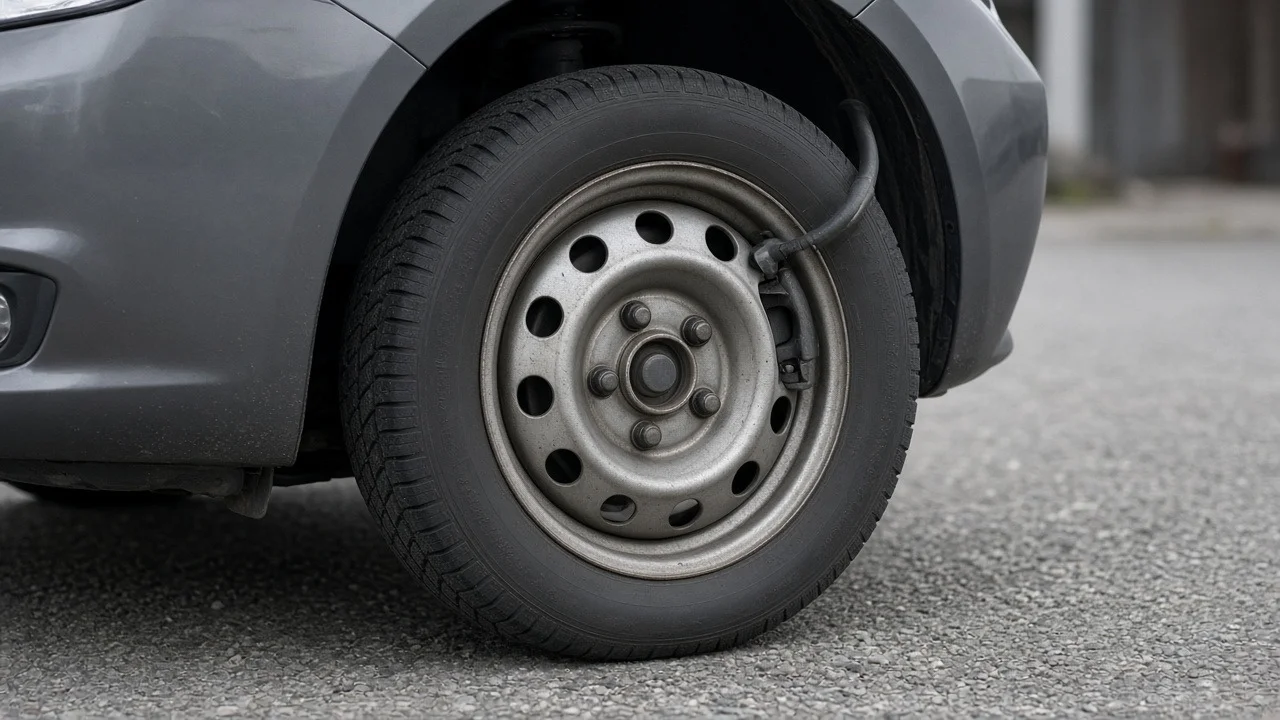
The AE Form 190-1H is associated with administrative and safety recordkeeping for vehicles, and people searching for it often need an overview rather than a single repair specification. A vehicle safety inspection on this type of form generally involves verifying identification, checking major operational systems, and documenting the result for an organizational or fleet requirement. Without access to the current form instructions, exact fields and pass criteria cannot be stated reliably, but the inspection purpose remains steady: confirm that a vehicle is operationally safe for its intended use and create a record of that determination.
Essential answer
The AE Form 190-1H appears in queries about vehicle safety inspection, yet it is not a public universal test certificate or a standard state emissions test. It is better understood as a form used in certain military, government, or contractor fleet settings to document inspection criteria, vehicle identification, and the condition found during a safety inspection. Because form revisions and local instructions change, the precise checkboxes or scoring blocks are manufacturer-dependent in an administrative sense and require the controlling organization’s current guidance for accurate completion.
A reader looking for this form is usually seeking the document itself, its purpose, or what a retest may involve after a failed item. The useful automotive reasoning is simple: an inspection record is only as good as the items actually checked. Tyres, brakes, lights, glass, mirrors, seat belts, fluid leaks, and warning lamps are common safety inspection subjects. If a vehicle fails a required item, the form may support a retest or corrective-action note, but the form alone does not prove a specific part has failed; it records an observation that must then be interpreted by a qualified inspector.