Acura Integra: What It Is, How the Generations Differ, and Which One Fits You
The Short Answer
The Acura Integra is Acura's compact, sport-oriented car. It was one of the models the brand launched with in the United States in the mid-1980s. The name ran through three generations into the early 2000s. Acura then replaced it in the US with the RSX, which was sold as an Integra in Japan. Acura revived the Integra name for the 2023 model year as a five-door liftback, a hatchback-style car with a sloping roofline that looks like a sedan.
Which Integra someone means changes the answer a lot. A classic Integra from the 1980s or 1990s is a lightweight, older enthusiast car that is often modified. The current Integra is a modern premium compact with current safety and infotainment technology. Most practical questions, such as reliability, features, parts, insurance and value, need to be answered for a specific generation and model year.
Integra Generations at a Glance (US Market)
Period | Name in the US | Body styles | What defines it; Late 1980s (first generation) | Acura Integra | Three-door and five-door hatchback | Acura launch-era model; light, front-wheel-drive sporty compact; Early 1990s (second generation) | Acura Integra | Three-door hatchback, four-door sedan | Introduced VTEC variable valve timing on the GS-R trim; Mid-1990s to 2001 (third generation) | Acura Integra | Three-door hatchback, four-door sedan | Best-known classic generation; includes the GS-R and the limited-production Type R; 2002 to 2006 | Acura RSX (sold as Integra in Japan) | Three-door hatchback coupe | Integra successor under a different name in the US; Type-S trim; 2023 model year onward | Acura Integra | Five-door liftback | Revived name; shares its platform with the 11th-generation Honda Civic; Type S added later
Trim names, engine choices and body styles varied by year and market within each generation. Japanese-market and other non-US Integras sometimes had engines and trims that were never sold new in the US. Check a specific car's details by its model year and vehicle identification number rather than by generation alone.
The Current Integra (2023 Model Year Onward)
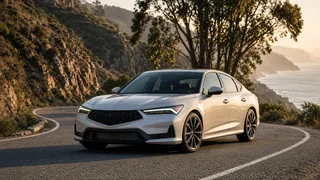
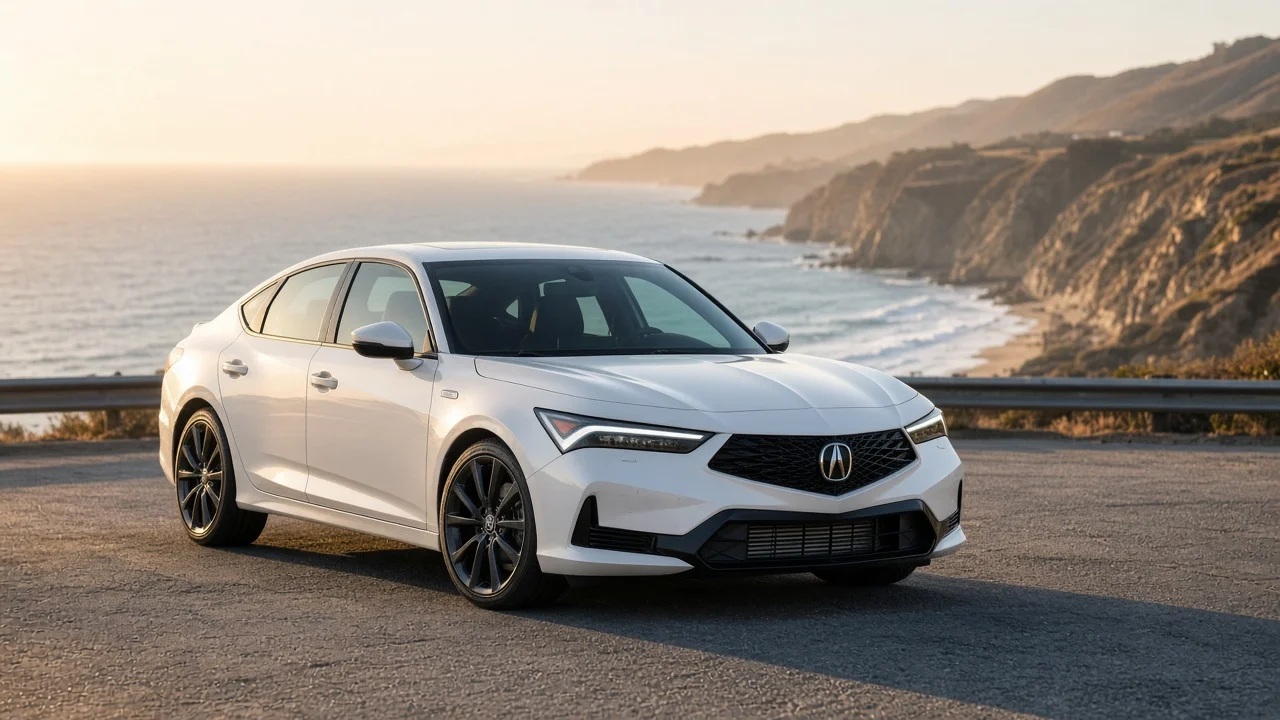
The revived Integra is built on the same underlying platform as the 11th-generation Honda Civic. It is assembled in the United States. Acura chose a five-door liftback body instead of a traditional trunk. The large rear hatch makes it more practical for cargo than a typical compact sedan, while keeping a low, coupe-like profile.
At launch, the standard powertrain was a turbocharged 1.5-liter four-cylinder engine with front-wheel drive. Most versions paired it with a continuously variable transmission (CVT), an automatic that varies its ratios smoothly instead of shifting between fixed gears. A six-speed manual was offered on a specific upper trim and package combination. That made the Integra one of the few premium compact cars still available with a manual transmission. Trim names, package contents and transmission availability can change from year to year, so confirm them for the model year you are considering.
Integra Type S
The Integra Type S arrived after the standard car as the performance flagship. It uses a turbocharged 2.0-liter engine related to the one in the Honda Civic Type R. It comes only with a six-speed manual and front-wheel drive. Compared with the standard Integra, it has wider bodywork, upgraded brakes, a performance-tuned suspension and different wheels and tires. It is aimed at buyers who want a car for frequent spirited driving or occasional track use, but who want something more understated and comfortable for daily use than the Civic Type R.
How the New Integra Differs From the Honda Civic
Because the two cars share a platform, the Integra and Civic are closely related. The differences are mostly in positioning and equipment rather than basic engineering:
Body: The Integra is a liftback with a rear hatch, while the closest Civic equivalent is a sedan or a separately styled hatchback. Powertrain: The standard Integra uses the turbocharged engine that is reserved for upper trims on many Civic versions. Lower Civic trims use a non-turbo engine. Interior and features: The Integra emphasizes premium materials, standard equipment and audio and technology packages consistent with Acura's luxury positioning. Tuning and styling: Acura gives the Integra its own exterior design and its own approach to ride and handling. Ownership: The Integra is sold and serviced through Acura dealers, which can affect the purchase and service experience.
In practical terms, the choice usually comes down to whether the Integra's styling, standard features and brand experience justify paying more than for a comparably equipped Civic. The answer depends on which trims you are comparing.
The Classic Integra and Why It Still Matters
Older Integras, especially the second and third generations, built a strong enthusiast following. They combined light weight, precise manual gearboxes and high-revving Honda engines. VTEC, Honda's variable valve timing system, changes valve operation at higher engine speeds to deliver stronger top-end power. It became closely tied to the Integra's reputation through the GS-R trim.
The third-generation Integra Type R is the most collectible version sold in the US. It was a limited-production, track-focused model with a hand-finished high-output engine, reduced weight and a sharpened chassis. Clean, original examples are sought after by collectors. Values depend heavily on condition, originality and documented history.
What to Watch For When Buying a Classic Integra
Modifications: Many classic Integras have had engine swaps, suspension changes or aftermarket parts installed. Confirm what is original and whether modifications were done properly and are legal for road use in your state. Theft history: Older Integras, particularly the third generation, have long been popular theft targets for their parts. Look for signs of ignition or steering column damage and check title records. Rust and age: Inspect common rust areas, such as around the wheel arches and underbody, along with aging rubber components and seals. Maintenance records: Timing belt service, clutch condition and evidence of regular oil changes matter more than mileage alone on a car this old. Authenticity: For high-value versions such as the GS-R or Type R, verify the VIN and engine identification rather than relying on badges, which are easy to swap.
Where the RSX Fits
Between the classic Integra and the revived model, Acura sold the RSX in the US. It was a three-door hatchback coupe that was marketed as the Integra in Japan. For buyers, it effectively continues the Integra line, with a more modern design and engine family than the third-generation car. The RSX Type-S trim is the enthusiast choice. Anyone shopping for an older sporty Acura often weighs the RSX against a late classic Integra.
Which Integra Makes Sense for You
For a modern daily driver with premium features and warranty coverage, look at the current Integra and decide between the CVT for convenience and the manual for engagement, if your chosen trim offers it. For the most performance in a practical, livable package, consider the Integra Type S, keeping in mind it is manual-only. For an affordable older enthusiast car, a second- or third-generation Integra or an RSX can work well. Budget time and money for inspection, deferred maintenance and parts sourcing. For a collector or investment car, focus on unmodified, well-documented GS-R and especially Type R examples, and have them inspected by someone familiar with these models.
Whichever direction you choose, narrow the search to a specific generation, model year and trim before comparing prices, features or reliability. The name Integra covers cars that are decades apart in technology and very different to own.