What Is a Liftback Car?
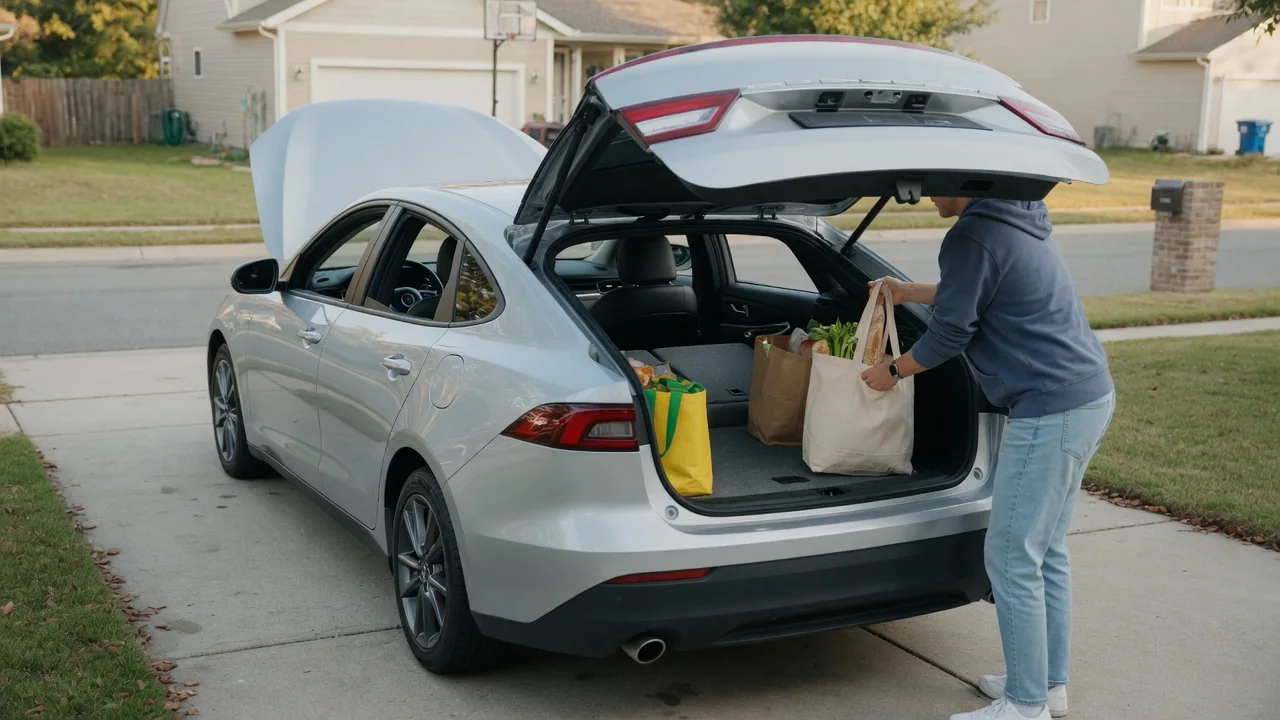
Anyone asking what is a liftback car is usually looking at a vehicle that resembles a sedan in profile but opens like a hatchback. The defining feature is a rear door hinged at the roof, so the back glass and the cargo lid rise as one piece. That single design choice shapes how the car loads, how it looks, and how the driver sees out the back.
Opening geometry
On a conventional sedan, the trunk lid is hinged below the rear window, so the glass stays fixed and only a metal panel swings up. A liftback moves those hinges to the trailing edge of the roof. When the latch releases, the whole sloping rear section, glass included, pivots upward on gas struts or a powered mechanism. The result is an opening that runs from near the bumper to the roofline, rather than a slot cut into the rear deck.
What separates a liftback from a typical hatchback is the angle of that door. A hatchback's tailgate tends to stand fairly upright, while a liftback's rear slopes gently, often giving a fastback or sedan-like silhouette. You can spot the difference by looking for the shut lines: if the seam runs around the rear window and up to the roof, the glass lifts with the lid. Manufacturers use the terms loosely, so naming varies from one brand to another.
Loading tall objects
Because the opening extends up to the roof, items can be lowered in from above rather than slid through a narrow trunk mouth. A boxed appliance, a bicycle with the front wheel removed, or a large suitcase standing on end can often pass through an aperture that would defeat a sedan of similar length. With the rear seatbacks folded, the cargo area joins the cabin, creating a long, continuous floor for flat-packed furniture or lumber.
The sloping glass does impose a ceiling, though. Height is generous near the seatbacks but tapers toward the rear, so a tall object that fits at the front of the cargo bay may stop the door from closing if it sits too far back. It is worth lowering the lid slowly on bulky loads to avoid pressing cargo against the glass. Sill height, the width between the wheel housings, and whether the seats fold flat all differ by vehicle.
Rearward visibility
A long, steeply raked rear window looks expansive from outside, yet the view through the interior mirror can be surprisingly shallow. Because the glass lies closer to horizontal, the driver looks through it at a low angle, which compresses the visible slice of road. A high tail, thick rear pillars, or a spoiler mounted across the glass can narrow that view further. Some designs add a small vertical pane below the main window to recover a little sight line.
The shallow glass angle also affects how the window copes with weather. Rain, dust, and snow tend to settle on a sloped surface rather than run off, and not every liftback is fitted with a rear wiper, so the defroster and a clean glass matter more. Cargo stacked above the seatback line or a raised luggage cover blocks the mirror entirely. Backup cameras and parking sensors help, but their coverage and image quality depend on the particular vehicle and its equipment.
Everyday Use and Observations
In daily driving, the practical differences show up in small ways. The raised door forms a canopy to stand under while loading in the rain, but it also swings up and back, so you need clearance behind the car and overhead in a low garage. The lid is larger and heavier than a trunk lid, which is why the struts that support it matter; a door that sags or will not stay up on its own deserves prompt attention from a technician.
The cargo area shares air with the cabin, which changes the experience compared with a sealed trunk. Road noise from the rear wheels and any rattling cargo is more audible, and odors from groceries or sports gear reach the passengers. A removable parcel shelf or retractable cover hides belongings from view through the glass and trims some noise. On a hot day, sun through the large rear window can warm the cargo, so perishable items are better shaded.
Limits and Next Steps
A liftback is not a substitute for a wagon or an SUV. The tapering roofline limits how much can be stacked, and the load floor may sit above a high sill that makes heavy items awkward to lift in. The large opening can also require extra body reinforcement, and the long door adds parts such as struts, hinges, seals, and wiring for the defroster and any power-closing hardware. How well these hold up, and how they are serviced, varies by manufacturer.
The best way to judge a particular car is to examine it in person. Open the rear door fully and check how high it rises relative to your height and your garage. Fold the seats, note whether the floor is flat, and bring a tape measure for the items you carry most. Sit in the driver's seat and assess the mirror view with the cargo cover in place. The owner's manual lists the official cargo dimensions and load limits for that model.