 Troubleshooting
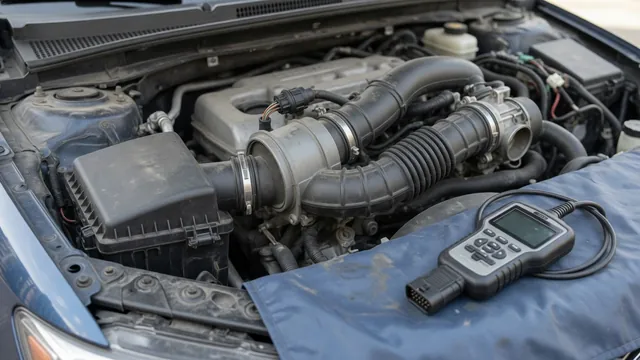
Bad MAF Sensor and Rough Idle: Why It Happens and What to Check After a Fix
How a failing mass air flow sensor can cause rough idle, why idle may stay rough after cleaning or replacing it, and which related faults to check next.
Practical automotive articles on maintenance, diagnostics, vehicle systems, buying used cars, tires and electric driving.
Troubleshooting
How a failing mass air flow sensor can cause rough idle, why idle may stay rough after cleaning or replacing it, and which related faults to check next.
 Systems
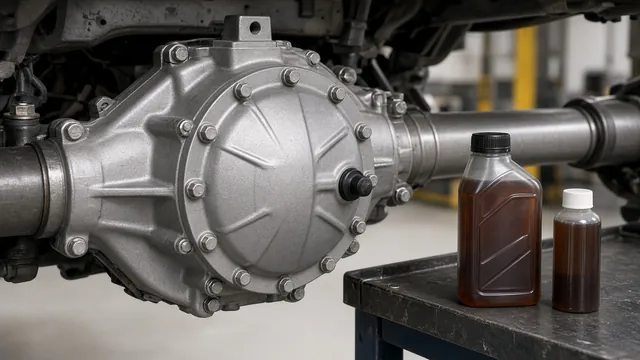
Learn what differential fluid additives and limited-slip friction modifiers do, when a differential needs one, and when adding one can cause problems.
 Troubleshooting
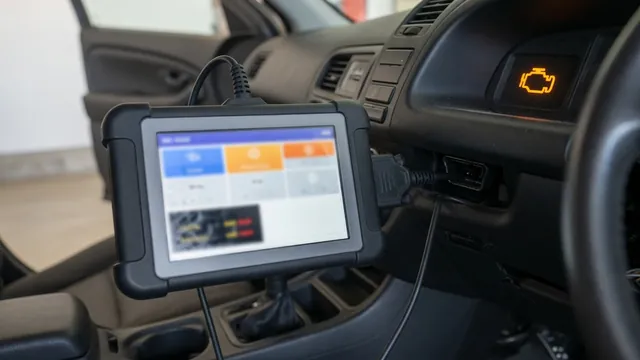
What P1413 means on your vehicle, why the definition depends on the manufacturer, common symptoms, likely causes, and when professional testing is needed.
 Troubleshooting
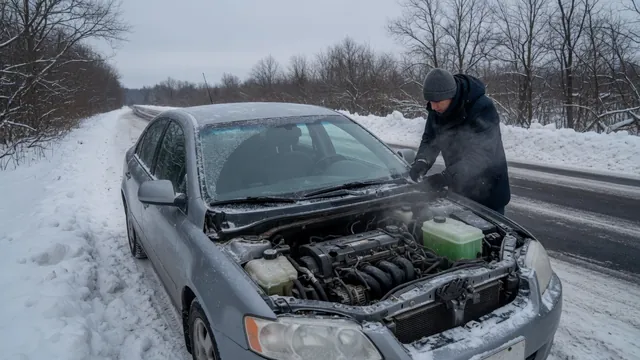
Why your heater blows cold when coolant is low, the engine and visibility risks of driving that way in winter, and the safe checks to make before you continue.
 Troubleshooting
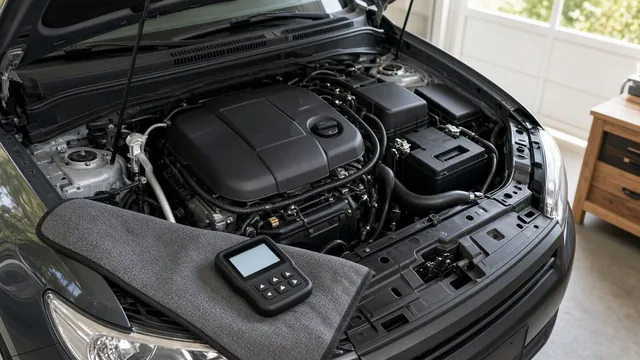
Rough idle on a 3.6 Pentastar with no codes? Learn the likely causes in the Grand Cherokee, Durango and Caravan, safe checks, and when to get testing.
 Systems
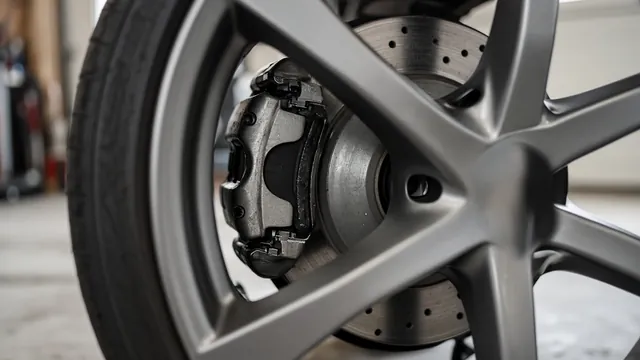
Learn how semi-metallic, ceramic and organic pad compounds, glazing and cracks change brake noise, and how to spot brake lining wear signs safely.
 Maintenance
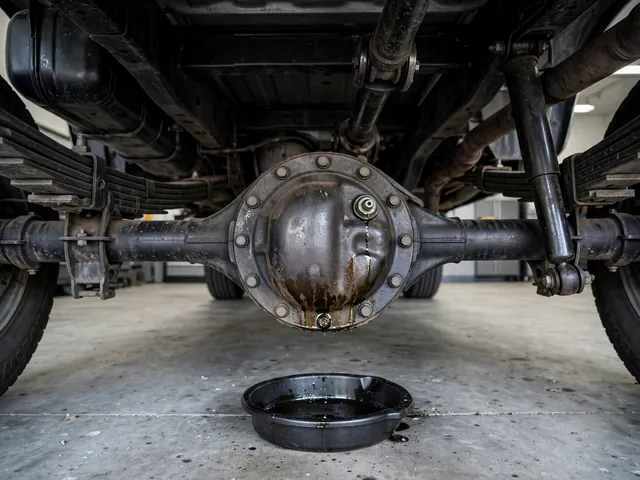
Find how to confirm rear differential fluid capacity and type for Chevy and GMC 2500HD and 3500 trucks, including Duramax models, plus change interval guidance.
 Troubleshooting
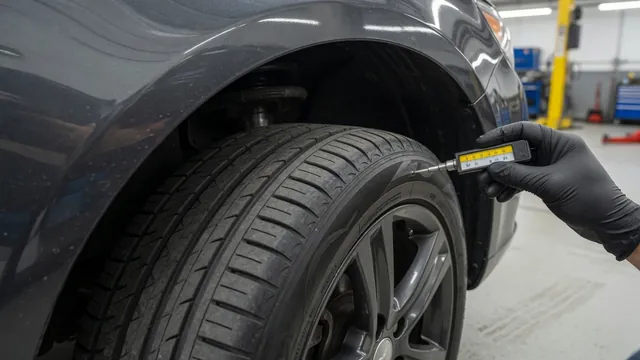
Why Lexus IS and IS350 tires can wear on the inner edges or rear, what alignment settings and driving habits contribute, and when to get a professional check.
 Troubleshooting
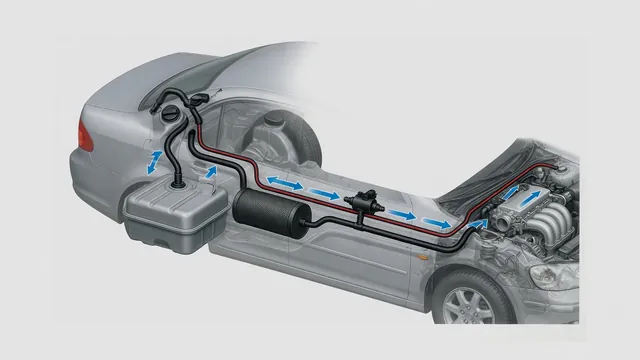
How the EVAP system on 1998–2004 Camry and 2002–2005 Lexus ES300/ES330 works, how to read its diagrams, and what common EVAP codes and symptoms can mean.
 Ownership
Learn why EVAP and catalyst monitors stay incomplete, which driving conditions help them run, and how inspection rules treat unready monitors before a test.
 Troubleshooting
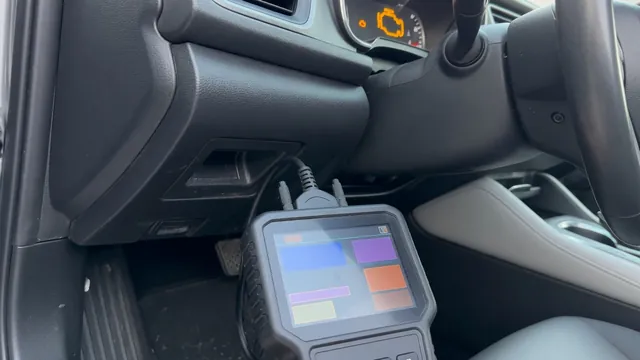
What a P1393 code can mean depending on the manufacturer, how to confirm its definition for your vehicle, symptoms to note and when professional testing is needed.
 Troubleshooting
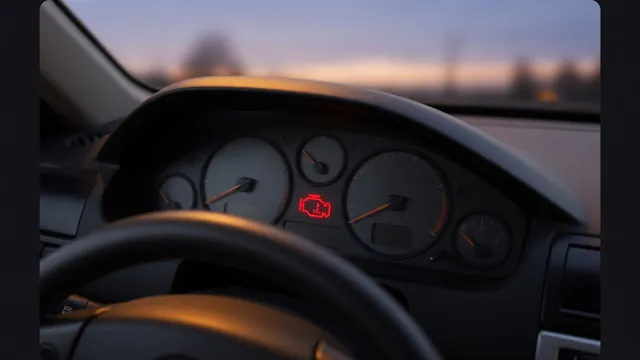
Why a car may warn of overheating when the engine isn't hot, how faulty sensors, gauges or wiring cause false alerts, and how to confirm the real temperature.
Your latest 12 modifications and trims, stored in this browser.