P1393 Code: Meaning, Possible Causes and How to Diagnose It
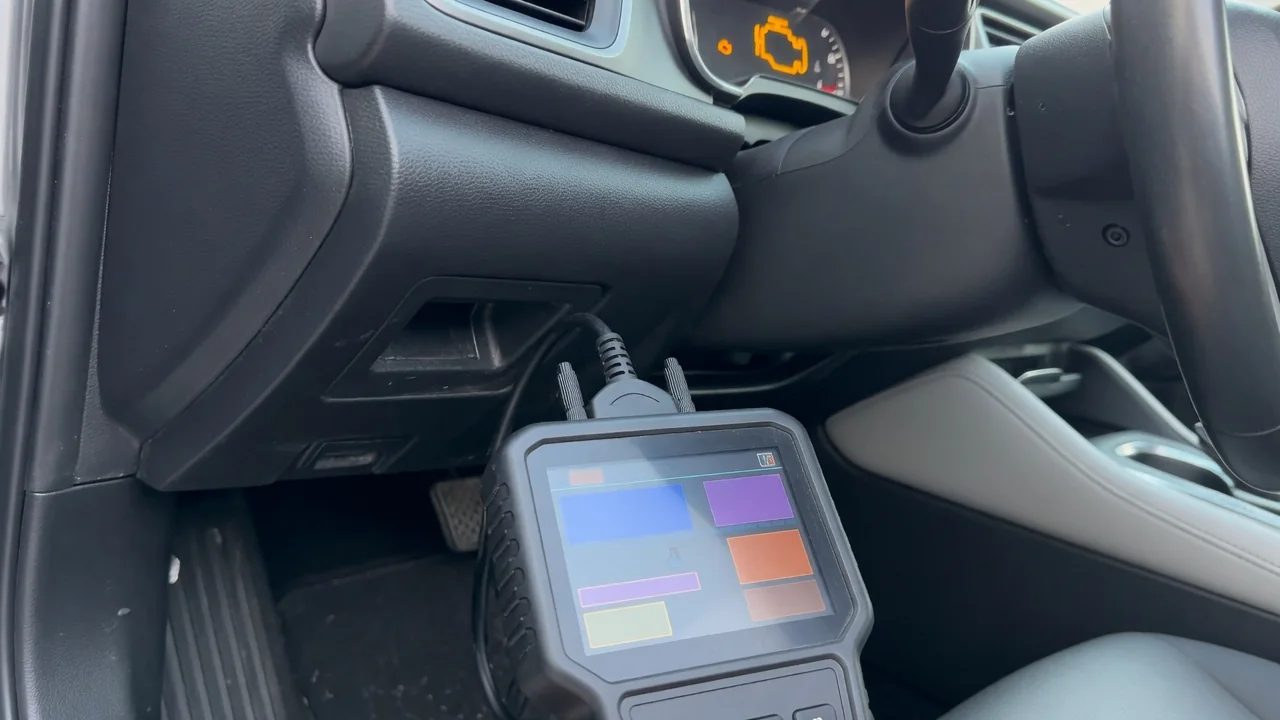
A P1393 code can be confusing because it has no single universal meaning. This is a manufacturer-specific trouble code, so its definition changes depending on the make, model, year, and engine. A generic OBD-II scan tool may show only a number, a vague description, or a “manufacturer-controlled” note, which is not enough to start replacing parts. You need to confirm the exact definition for your vehicle before diagnosing the problem. This guide explains what P1393 could mean, how to find your vehicle-specific definition, what symptoms to watch for, and the right approach to diagnosis and repair.
What P1393 Means and Why Its Definition Depends on the Manufacturer
P1393 falls within the P1xxx range, which most automakers reserve for codes unique to their own control systems. Unlike generic P0xxx codes that follow an industry-wide standard, a P1xxx code can mean completely different things on different brands. For example, it might refer to a glow plug circuit issue on one diesel engine and a variable valve timing fault on a gasoline engine from another manufacturer. Because there is no universal definition, the code number alone tells you very little about what is wrong.
When you pull the code with a basic scan tool, you might see “manufacturer control,” “undefined code,” or a short phrase that is too vague to act on. Some tools even display “P1393” with no description at all. That output is only a starting point. You must not assume the fault is in any particular system until you look up the vehicle-specific definition. Otherwise, you risk chasing a problem that does not exist on your car while ignoring the real cause.
How to Confirm the P1393 Definition for Your Specific Vehicle
The most reliable way to confirm what P1393 means on your vehicle is to use an enhanced diagnostic scanner or manufacturer-level software. Independent shops often have brand-specific tools, and dealerships always do. Factory service information, either printed or accessed through an online subscription, gives the exact code description, possible causes, and test procedures for your model year and engine. When you look up the code, have your VIN, model year, and engine code ready. Even within the same brand, the definition can differ between a four-cylinder and a V6, or between early and late production runs.
Before clearing any codes, write down everything the scan tool shows: P1393, its status as pending or confirmed, any history flags, and all other codes stored alongside it. Also capture freeze frame data, which records sensor values at the moment the fault occurred. This information helps a technician understand under what conditions the code set. Avoid relying on internet forum threads or generic code lists that do not match your exact vehicle. If you act on the wrong definition, you may replace a good component and still not fix the problem.
Symptoms to Note When P1393 Is Stored
Because P1393 can refer to very different systems, the symptoms you experience depend entirely on what the code actually means for your car. Some definitions involve an emissions component that has no effect on drivability, while others point to an ignition or fuel control issue that can cause rough running or stalling. Observe and record what you notice. Pay attention to when the problem occurs: during a cold start, after warm-up, at idle, under acceleration, at highway speed, in wet weather, or right after refueling. Those conditions often match the code’s enabling criteria.
A steady check engine light usually means you can continue driving a short distance to get the problem diagnosed, but a flashing check engine light indicates a serious misfire that can damage the catalytic converter. If the light is flashing or you feel the engine shaking, losing power, or surging, stop driving as soon as it is safe and have the vehicle towed. Some manufacturer-specific codes, including certain P1393 definitions, may be stored with no noticeable symptoms at all. A silent code is not harmless; it can fail an emissions test and can mask a second, more urgent fault because the warning light is already on.
Possible Cause Categories to Consider After the Definition Is Confirmed
Once you have the vehicle-specific definition, possible causes usually fall into broad categories. There may be a failed sensor or actuator related to the described circuit or system. Wiring and connector faults, such as broken wires, loose terminals, or corrosion inside a plug, can cause the control module to see an implausible signal. The monitored system itself might have a mechanical or electrical problem, such as a sticking valve, a clogged passage, or an internal short. Finally, a control module software issue or internal module fault can set a code even when all external components test good.
Do not assume that P1393 is a standalone problem. Check the full list of stored codes carefully. Often a second or third code points to the root cause, and P1393 is only a secondary or consequential fault. For example, if the same scan shows a sensor circuit code and P1393, the sensor code may be the primary issue. It is also wise to check for manufacturer technical service bulletins or software updates that apply to your vehicle. The existence of a bulletin varies by model and engine, and no specific bulletin can be assumed for P1393, but a professional database can confirm whether one applies.
Safe Checks You Can Do Before Visiting a Shop
You can perform a few safe checks yourself before taking the car to a shop. With the engine off and cool, inspect the accessible wiring and connectors in the area related to the confirmed definition. Look for damaged insulation, wires rubbing against brackets, loose plugs, or green or white corrosion on terminals. A simple visual once-over can catch an obvious problem, such as a connector that came loose after recent service. If you see water or debris inside a connector, do not poke tools into it; let a professional clean and repair it properly.
Low battery voltage or a weak charging system can cause many control modules to store misleading codes, including manufacturer-specific ones like P1393. If you have a simple battery tester or the vehicle shows any charging system warning, check the battery terminals for tightness and corrosion. Do not attempt to clear the code just to see if it comes back. Clearing erases freeze frame data and readiness monitors, making a professional diagnosis harder. A code that returns after clearing only confirms that the fault is still present. Avoid touching anything that is hot, moving, or high voltage, and never disconnect airbag or hybrid components.
Professional Diagnosis and Repair Approaches for P1393
Professional diagnosis of P1393 should always start by confirming the vehicle-specific definition and reading stored freeze frame data. A technician will then look at live data with a scan tool to see how the relevant sensors and actuators behave in real time. The factory diagnostic procedure for that code will list specific tests, such as checking circuit voltage, ground continuity, and signal integrity. Pinpoint testing with a multimeter or oscilloscope is far more reliable than swapping in a new part on a guess. The part the code description mentions may be the victim of a wiring problem, not the root cause.
Once the technician finds the fault, the repair should match the verified cause. That could be a wiring repair, a connector replacement, a sensor or actuator replacement, a software update, or fixing a different fault that was triggering this code. No generic article can tell you which repair you need without seeing the test results. After the repair, the shop should clear the codes, complete the required drive cycle or run the readiness monitors, and rescan the vehicle. If P1393 does not return and all monitors set, the repair is verified. If it comes back, the diagnostic work continues.
Is It Safe to Keep Driving With a P1393 Code?
There is no universal answer to whether you can keep driving with a P1393 code. The safety of continuing depends on which system the code actually refers to and how the vehicle behaves. If the code involves an emissions-only device and the engine runs normally, driving a short distance to a repair shop is probably acceptable. But if you notice any warning signs, stop driving and get help. A flashing check engine light, loss of power, engine overheating, burning smells, visible smoke, or changes in braking or steering all mean the problem is serious enough to park the vehicle.
An unresolved code also affects emissions inspections. In most regions, a stored trouble code or incomplete readiness monitors will fail the test. Even if you postpone the repair, the check engine light remains on and can hide a new, more serious fault. The safe approach is to confirm the vehicle-specific meaning of P1393, record the freeze frame data, do only non-invasive visual checks, and have a professional perform pinpoint testing before any parts are replaced. Do not guess at a fix. The right repair comes from evidence, not from a code number that means different things on different vehicles.