P1413 Code: Meaning, Causes and Fixes
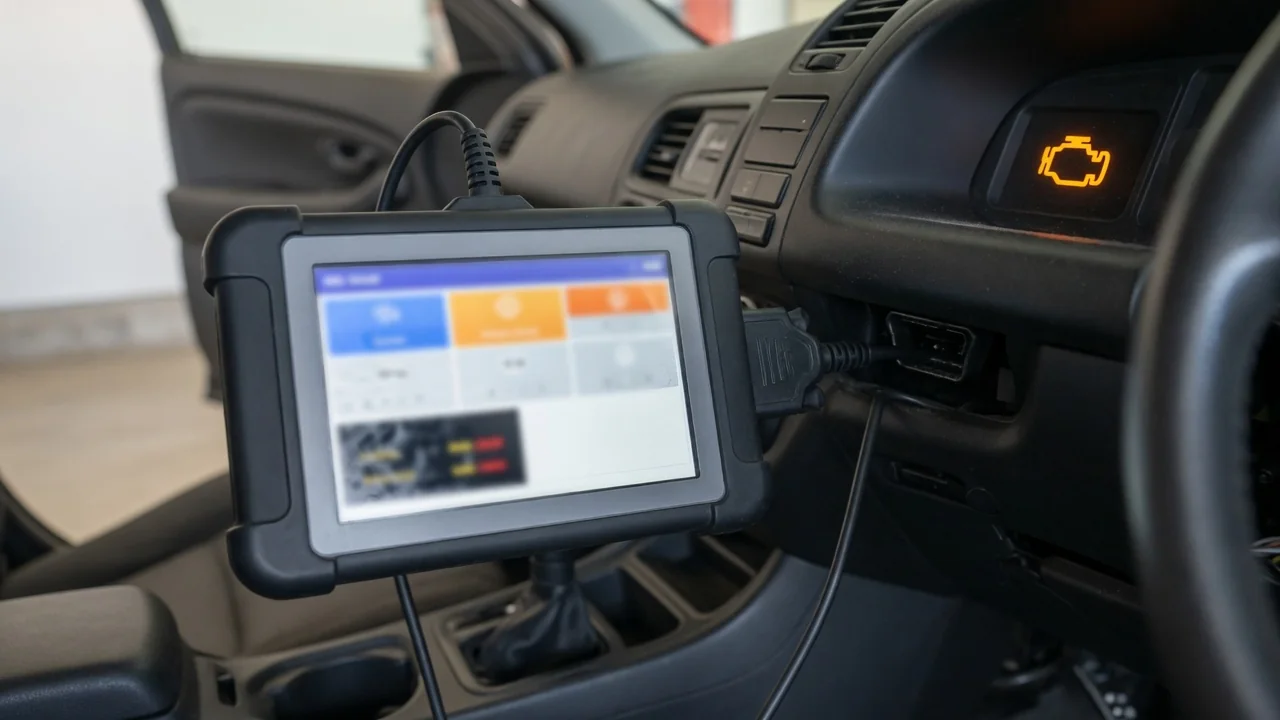
A P1413 code is a manufacturer-specific diagnostic trouble code, so its meaning is not universal. The check engine light may illuminate because the vehicle's powertrain control module detected a circuit or system condition defined differently by various automakers. Without confirming the exact definition for your make, model, year, and engine, generic descriptions can mislead. Understanding how to read this code, recognize symptoms, and approach diagnosis will help you avoid unnecessary repairs and address the root cause.
What P1413 Means and Why the Definition Depends on the Manufacturer
The P1413 code belongs to the P1xxx range, which is reserved for manufacturer-specific powertrain codes. Unlike standard P0xxx codes, which are defined by SAE and shared across vehicles, P1xxx codes can have different meanings even between models from the same brand. For example, one vehicle might use P1413 for a secondary air injection system circuit fault, while another might use it for a fuel system monitor issue. Therefore, you must never treat a generic online definition as final.
The code structure itself provides limited information: the 'P' prefix indicates powertrain, and the '1' as the first digit marks it as manufacturer-defined. The remaining three digits do not encode a specific component or wire; they are simply a code index assigned by the OEM. To find the true meaning, consult factory service information, a dealer, or a scan tool that supports enhanced manufacturer codes. Only after confirming the exact definition can you begin meaningful diagnosis.
How to Read the Code Correctly With a Scan Tool
Basic OBD-II code readers often display only the code number and a generic description that may be incomplete for a P1xxx code. In contrast, professional-grade scan tools can retrieve manufacturer-specific definitions, freeze frame data, and additional parameters. When the P1413 code first appears, note whether it is pending (not yet confirmed), stored (confirmed but not currently active), or permanent (stored after a failed repair and not manually clearable). Also record any related codes, the mileage, and freeze frame conditions such as coolant temperature, engine speed, and load.
Freeze frame data captures the operating conditions at the moment the fault was detected. This information can reveal whether the issue occurs during cold start, at idle, or under load, which is crucial for reproducing and diagnosing the fault. Clearing the code before recording this data permanently erases that snapshot, forcing the technician to wait for the fault to recur. Remember, a stored code does not identify a failed part; it indicates a system or circuit to inspect.
Symptoms Drivers May Notice With P1413
The most common and sometimes only symptom of P1413 is an illuminated check engine light. A steady light typically indicates a fault that affects emissions or engine management but does not require immediate shutdown. A flashing check engine light, however, signals a severe misfire or catalytic converter damage risk and requires prompt attention—though P1413 itself rarely causes flashing. Because this code is manufacturer-specific, secondary symptoms vary widely depending on the affected system.
You may notice no drivability changes at all, or you might observe subtle signs like a rough idle, longer cranking, reduced fuel economy, or unusual noises from the air pump or vacuum lines. An active emissions-related code often prevents the vehicle from passing an inspection, even if it runs normally, because the readiness monitors may remain incomplete. Write down exactly when symptoms occur—cold start, warm-up, at idle, under acceleration—as this timing can point the technician toward the correct circuit.
Possible Causes Once the Vehicle-Specific Meaning Is Confirmed
Once the exact vehicle-specific meaning of P1413 is confirmed, possible causes fall into several categories. Wiring and connectors are common culprits: damaged insulation, corrosion, or loose terminals can create high resistance or open circuits. Sensors and monitoring circuits, such as pressure or temperature sensors tied to the secondary air system, can fail or drift out of range. Actuators or pumps—like a secondary air injection pump—may seize or draw excessive current. Valves and hoses can stick, leak, or become clogged with carbon. Finally, control module logic or software may misinterpret signals due to outdated calibration.
Technicians often check wiring and connectors before replacing any component because electrical faults are frequent and inexpensive to repair. A corroded connector or chafed wire can mimic a failed sensor or pump. Additionally, some vehicles have technical service bulletins that describe known issues and updated software or repair procedures for this code. Before assuming a part is bad, ask a dealer if a TSB applies to your VIN. Never replace parts based solely on the code number—always test the circuit and components first.
Safe Checks You Can Do Before Visiting a Shop
Before visiting a shop, you can perform a few safe visual checks with the engine off and cool. Inspect easily accessible areas for obviously disconnected vacuum hoses, cracked or broken wiring insulation, or loose electrical connectors near the components related to the code's confirmed definition. For example, if your vehicle uses P1413 for a secondary air system fault, look for hoses that have come off the air pump or diverter valve. Do not reach into hot areas or try to move components that are tight or buried.
You can also note any unusual noises at startup, such as a loud whirring or a missing pump sound, and whether the check engine light returns after a few drive cycles. However, a basic visual inspection cannot confirm electrical continuity, pump operation, or valve function. Do not disconnect parts, back-probe live circuits, or run tests near hot exhaust components without proper training and service information. These actions risk injury or further damage.
How Professionals Diagnose and Repair P1413
A professional begins by confirming the manufacturer definition of P1413 for the specific vehicle, then follows the factory diagnostic flowchart. This usually involves checking for related technical service bulletins, inspecting wiring and connectors, and testing circuit values with a digital multimeter. Scan tool functions such as bidirectional component tests allow the technician to command the air pump, solenoid, or valve on and off while monitoring the result. Live data and actuator tests provide a more accurate diagnosis than visual inspection alone.
Repairs may include repairing damaged wiring or connectors, replacing a failed sensor or pump, cleaning or replacing a stuck valve, or updating the powertrain control module software. After the repair, the technician clears the code, performs the required drive cycle, and verifies that the relevant readiness monitor completes without the code returning. This confirmation step ensures the root cause was addressed rather than just masking the symptom.
Can You Keep Driving With P1413 and When to Get Help
Whether you can keep driving with P1413 depends on the confirmed definition and any accompanying symptoms. If the vehicle runs normally and the light is steady, you may safely drive to a repair shop for diagnosis, but avoid long trips or emission inspections. If the check engine light flashes, drivability worsens, unusual smells or noises appear, or other codes set, have the vehicle towed or diagnosed immediately. Ignoring certain emissions-related faults can damage the catalytic converter or lead to a failed inspection.
An unresolved P1413 can prevent readiness monitors from completing, causing a failed emissions test even if the car seems fine. Your next steps are straightforward: verify the exact meaning for your vehicle, record all stored codes and freeze frame data before clearing anything, perform only safe visual observations, and then book a professional diagnosis. This approach ensures the correct repair and avoids unnecessary part replacement.