8mm Tire Valve Stem
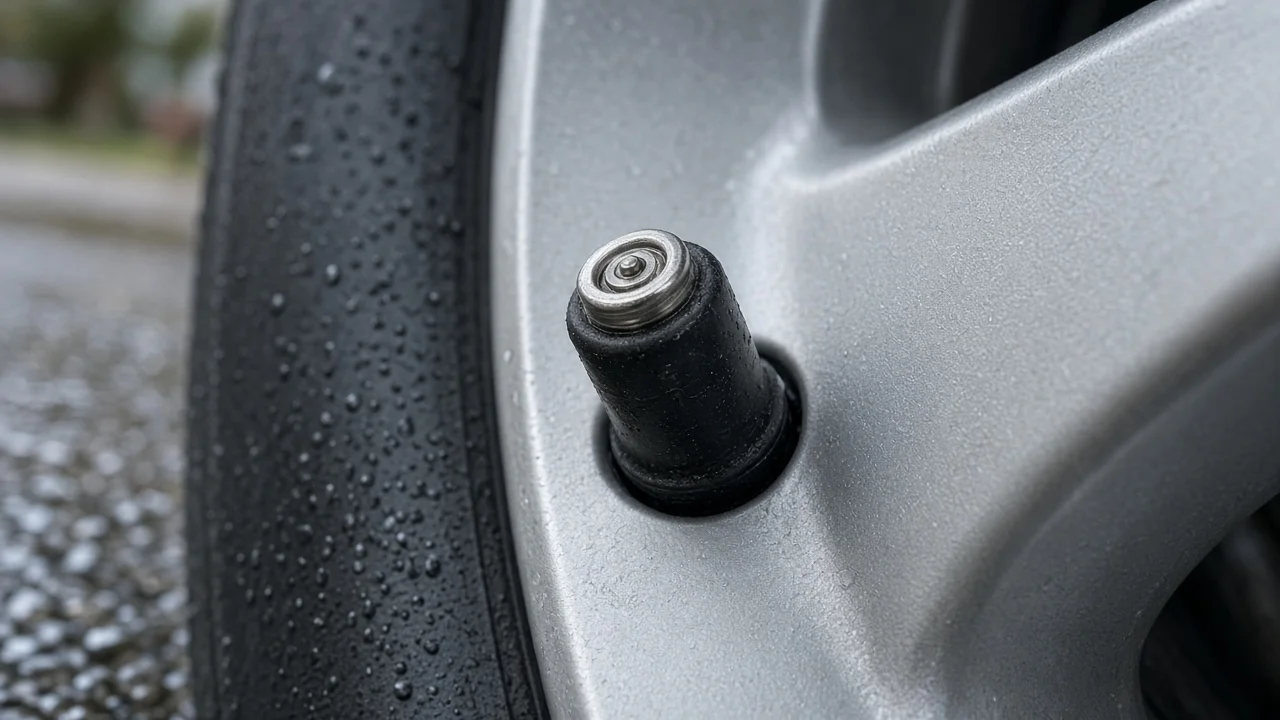
Choosing an 8mm tire valve stem matters because this small component controls how reliably a wheel holds inflation pressure between service checks. Many cars, light trucks, and motorcycles use an 8mm opening in the rim, so buyers often compare length, material, clamp-in versus snap-in fit, and compatibility with tire pressure monitoring sensors. The right stem also needs to suit the wheel profile and intended use, whether that means daily highway driving, trailer duty, or track use. A mismatch can create slow leaks, sensor fitment problems, or interference with the wheel and brake package.
The direct answer
An 8mm tire valve stem is generally the replacement choice when a rim has the common 8mm valve hole used across many passenger vehicles and light-truck applications. The practical answer is to confirm the hole diameter first, then match the stem style to the wheel and sensor setup. A snap-in rubber stem is simple and inexpensive for steel or many alloy wheels, while a clamp-in metal stem is often preferred for higher inflation pressure, severe duty, or a threaded sensor attachment.
Buyers should also consider the stem's overall length and bend angle. A stem that sits too close to the rim face can be difficult to reach with an air chuck, especially on recessed wheels or wheels with tall spokes. Too long a stem may contact suspension or brake components. Checking the tire size, load index, speed rating, and inflation pressure on the vehicle placard helps narrow the choices, because a higher-pressure or higher-load tire setup may favor a metal clamp-in design over a basic rubber stem.