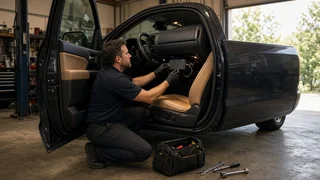
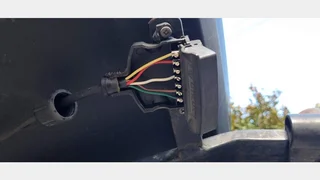
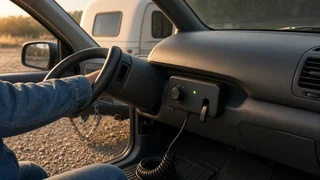
2016 Ford F-250 Trailer Brake Controller Installation
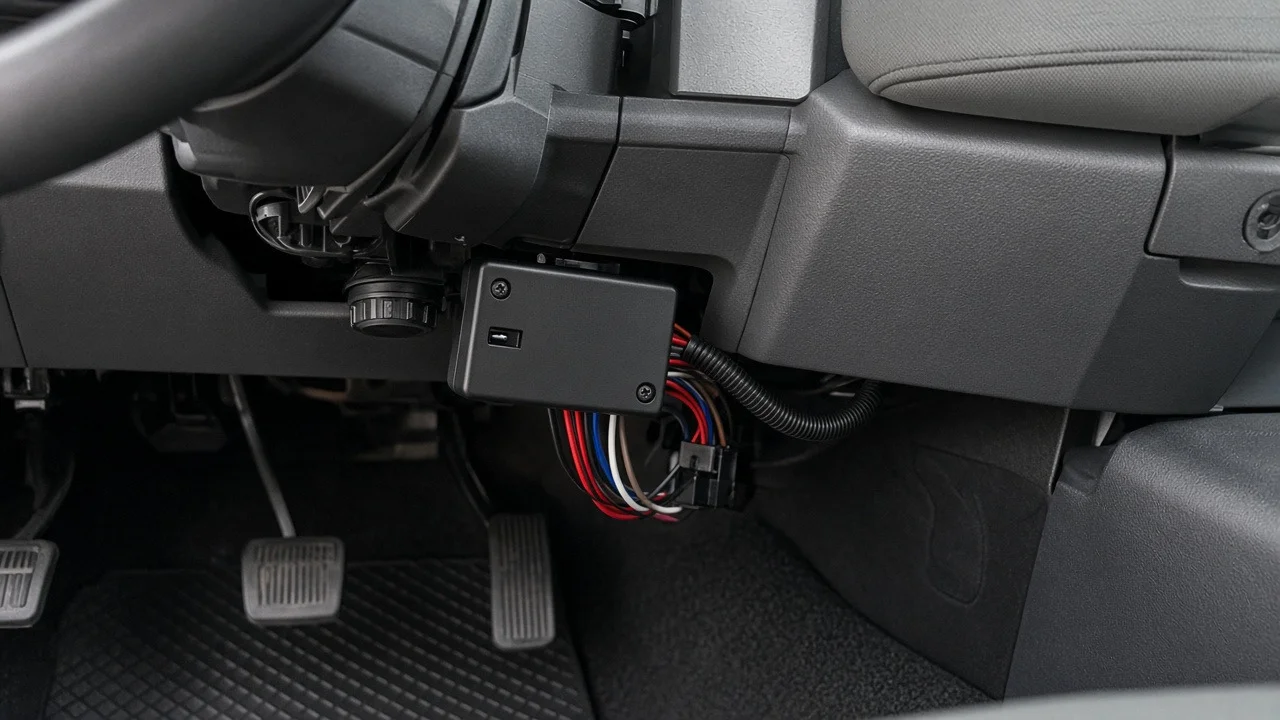
Installing a trailer brake controller on a 2016 Ford F-250 improves towing control by letting the driver manage electric trailer brakes from the cab. The Super Duty pickup is often prewired for this upgrade, but the job still involves matching the controller to the truck’s brake circuit, selecting a compatible mounting location, and making a secure electrical connection. Because the system works with the truck’s brake pads, rotors, caliper pressure, and brake fluid behavior, understanding the signal path helps avoid weak trailer braking or an unexpected warning. The following overview covers the essential installation scope and the practical reasoning behind each connection point.
Essential answer
The essential answer is that a 2016 Ford F-250 trailer brake controller installation typically involves connecting an aftermarket or factory-style controller to the truck’s existing trailer brake circuit rather than building a new hydraulic system. The controller reads brake pedal input and sends a proportional electrical signal to the trailer’s electric friction material actuators. On many Super Duty models, a blunt-cut harness or connector is already located under the dash, which reduces the amount of wiring work needed for a clean vehicle fitment.
The installation still requires careful attention to power, ground, brake signal, and trailer brake output leads. The truck’s own braking system uses brake fluid pressure at the caliper to clamp the brake pads against the rotors, but the trailer side operates electrically. A controller interprets that stop command and adjusts trailer braking force so it does not lag behind or grab too hard compared with the truck’s wear limits and braking behavior. Manufacturer-dependent wiring colors and connector styles should be confirmed on the specific truck before making any cut or splice.