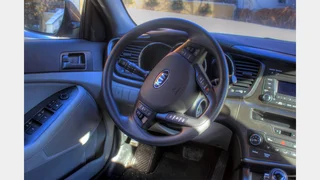
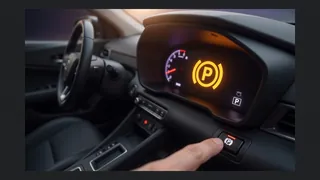
Putting a 2015 Kia Optima Electronic Parking Brake in Service Mode
The short answer
Service mode only matters if your 2015 Optima actually has an electronic parking brake (EPB). Fitment varied by market and trim in this generation, and many cars used a conventional foot-operated parking brake. Without an EPB there is nothing to put into service mode, and the rear brakes are handled with the normal procedure for that car.
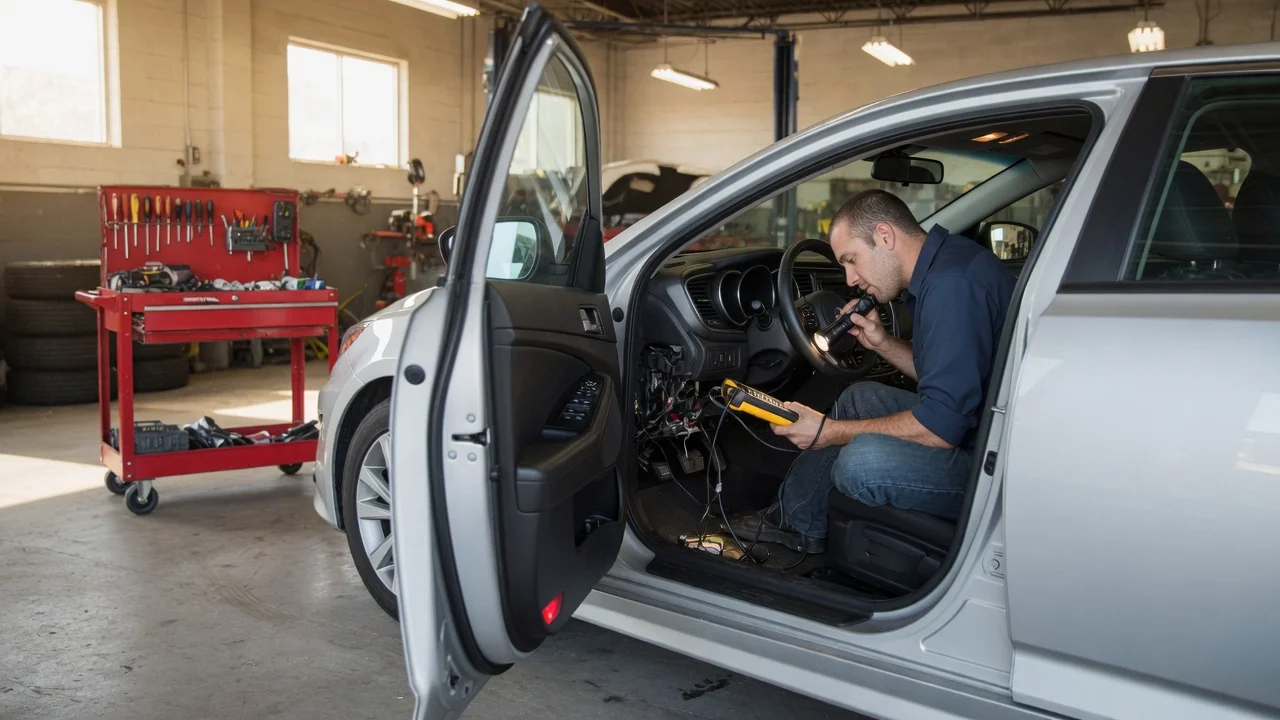
If your car does have an EPB, service mode retracts the electric actuators at the rear brakes so the pads can be replaced or the brakes inspected. The dependable way to do this is with a diagnostic scan tool that supports Kia's EPB functions, following Kia's service information for your specific vehicle. No verified factory step sequence for the 2015 Optima was available for this guide, so it does not give a button-and-ignition routine. A guessed sequence could leave the system in the wrong state or damage the actuators.
Step 1: Confirm which parking brake your car has
Electronic parking brake: a small switch on the center console or lower dash, usually marked with a P inside a circle, that you pull or press to apply and release the brake. Foot-operated parking brake: a pedal in the driver's left footwell, released with a pedal push or a separate release lever. This is not an EPB and has no service mode. If you can't tell, check the owner's manual for your car's market and trim, or give a Kia dealer the VIN.
What service mode does and why it matters
On many EPB designs, an electric motor drives a mechanism inside the rear caliper that pushes the piston against the pads. Because the motor holds that mechanism in place, you generally cannot push the piston back by hand, as you would on a conventional caliper. Service mode, sometimes called pad replacement or maintenance mode, has the control module wind the mechanism fully back. That leaves room for thicker new pads.
Kia's documentation for this specific car was not part of the material used here. It is not confirmed whether the 2015 Optima's EPB, where fitted, is a caliper-mounted motor design or a different layout. Treat the description above as how such systems typically work, not as a confirmed specification for this model.
General approach with a scan tool
Park on level ground and chock the wheels. The parking brake will not hold the car once it is in service mode. Make sure the battery is in good condition, because a low voltage supply can interrupt the actuator commands. Connect a scan tool that lists EPB service functions for Kia models of this era, and select the release, pad change or maintenance mode option. Wait until the tool confirms the actuators are fully retracted before removing calipers or pushing pistons. After fitting the new pads, use the tool to exit service mode, so the actuators re-apply and the system re-learns its positions. Then confirm there are no warning lights. Test the parking brake on a gentle slope before relying on it.
Menu names and available functions differ between scan tools. Confirm that your tool's coverage includes the 2015 Optima's EPB system before you start.
Cautions and gaps
Don't force a rear caliper piston back with a clamp or spreader on an EPB caliper unless Kia's procedure allows it, because this can damage the internal mechanism or motor. Don't rely on manual switch-and-ignition sequences found online unless they come from Kia service information for your exact model year and market. This guide does not cover whether the 2015 Optima offers a scan-tool-free service procedure, the torque specifications, or the EPB warning-light behavior. Get these from factory service information or a Kia dealer. If the EPB warning light stays on after the work, have the system diagnosed before driving normally.