2009 Honda Pilot Battery Light Turning On and Off: What It Means
The Short Answer
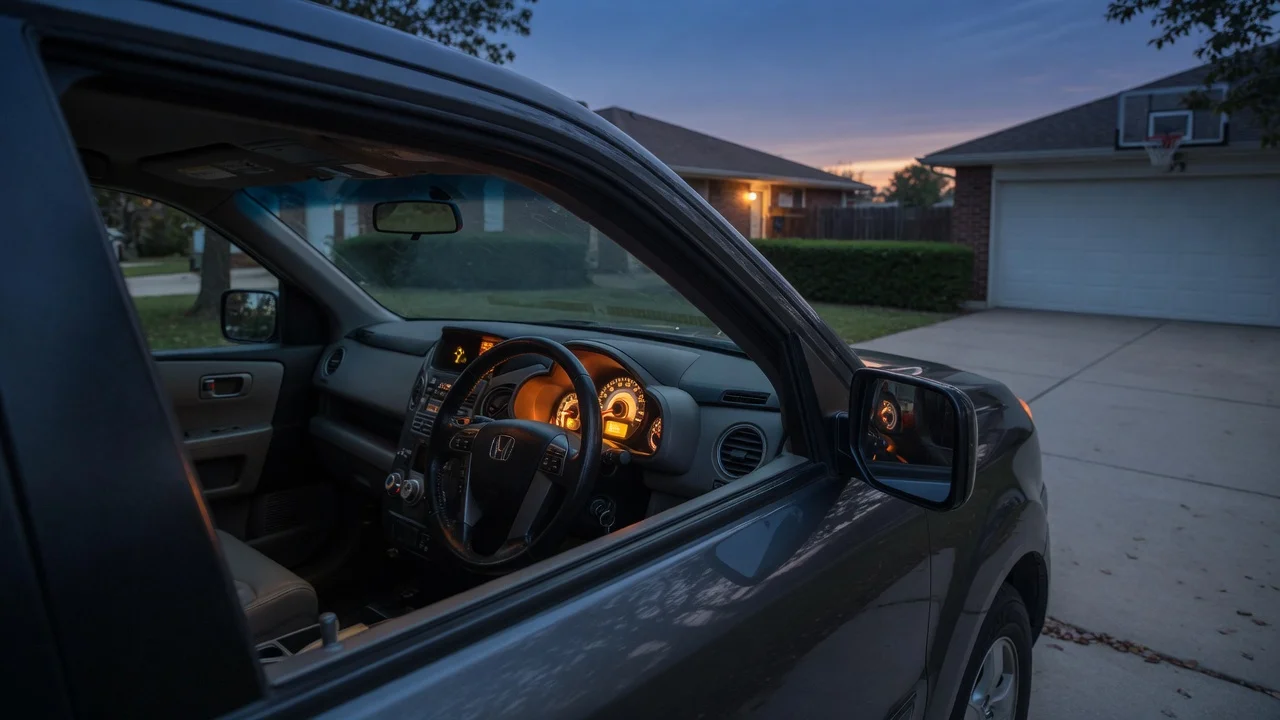
A battery warning light that comes on and goes off in a 2009 Honda Pilot is a charging system warning, not simply a sign that the battery itself is weak. It means the vehicle has detected, at least briefly, that the electrical system is not being charged properly. Because the light is intermittent, the cause is often a connection or component that works some of the time, such as a loose or corroded battery cable, a slipping or worn drive belt, a poor ground, a faulty connector at the alternator, or an alternator that is beginning to fail.
The light is worth investigating promptly. If the charging fault becomes constant, the vehicle will run only on stored battery power until the battery is drained, at which point the engine can stall and may not restart.
Scope of This Answer
This guide covers the 2009 model year Pilot, the first year of the second-generation model. The explanation describes how charging warning lights generally behave and the common causes of an intermittent warning. Specific test values, wiring diagrams and component procedures for this vehicle were not supplied as evidence here, so those details should be confirmed in Honda service information or by a qualified technician. No information on recalls or technical service bulletins related to this symptom was available for this article; checking with a Honda dealer using the vehicle identification number is the reliable way to confirm whether any apply.
What the Battery Light Actually Monitors
Despite its battery-shaped icon, the warning light reports on the charging system as a whole. With the engine running, the alternator, which is driven by the engine's accessory belt, is supposed to supply the vehicle's electrical needs and recharge the battery. When the system senses that charging output has dropped or stopped, the light comes on. If the fault clears a moment later, the light can go back out, which produces the on-and-off pattern.
Common Causes of an Intermittent Battery Light
Loose or corroded battery terminals: a connection that makes and breaks contact with vibration can cause the warning to flicker. Worn, glazed or loose drive belt, or a weak belt tensioner: if the belt slips, the alternator briefly stops producing full output, often noticeable on startup, in wet weather or under heavy electrical load. Failing alternator: internal wear can cause output to drop in and out before the alternator fails completely. Poor ground connections: a corroded or loose ground strap between the engine, body and battery can interrupt the charging circuit. Damaged wiring or a loose connector at the alternator: a connection that is intermittently open can trigger the light without any other part being faulty. A battery that is near the end of its life: a battery with an internal fault can upset charging system readings, though a weak battery alone does not always turn the light on.
Signs That Help Narrow It Down
Other symptoms occurring alongside the light can point toward a cause. A squeal from the front of the engine, especially at startup or when turning the steering wheel, suggests belt slip. Dimming or pulsing headlights and dash lights point to unstable charging output. Slow cranking or a no-start after the light has appeared suggests the battery has already been partly drained. A light that changes when going over bumps leans toward a loose connection. These are indicators, not diagnoses; a proper test is still needed.
What to Do Next
Inspect the battery terminals and cables for looseness, white or green corrosion, or damage, with the engine off. Look at the accessory belt for cracks, fraying, glazing or slack, and listen for squealing. Have the battery and charging system tested. Many parts retailers and repair shops can check battery health and alternator output, and a voltmeter reading taken at the battery with the engine running should be compared with the specification in Honda service information. Check the alternator connector and the main ground connections for corrosion or looseness. If the light stays on continuously, reduce electrical load where safe, such as turning off the climate control fan and rear defroster, and head to a repair facility rather than continuing a long trip.
Is It Safe to Keep Driving?
Short trips may be possible while the light is only flickering, but the risk is that the problem worsens without warning. Once charging stops, the remaining driving time depends on battery condition and electrical load, and that time cannot be predicted reliably. As a practical judgment, an intermittent battery light is best treated as a sign to arrange testing soon rather than something to ignore until it stays on.
Information Gaps to Keep in Mind
This article does not include factory voltage specifications, alternator part numbers, repair costs, or failure-rate data for the 2009 Pilot, because no supporting evidence for those details was provided. Those figures should come from Honda service documentation, a dealer, or a technician who has tested the specific vehicle.