2009 Honda Pilot Battery: Size, Specs to Check and Replacement Guide
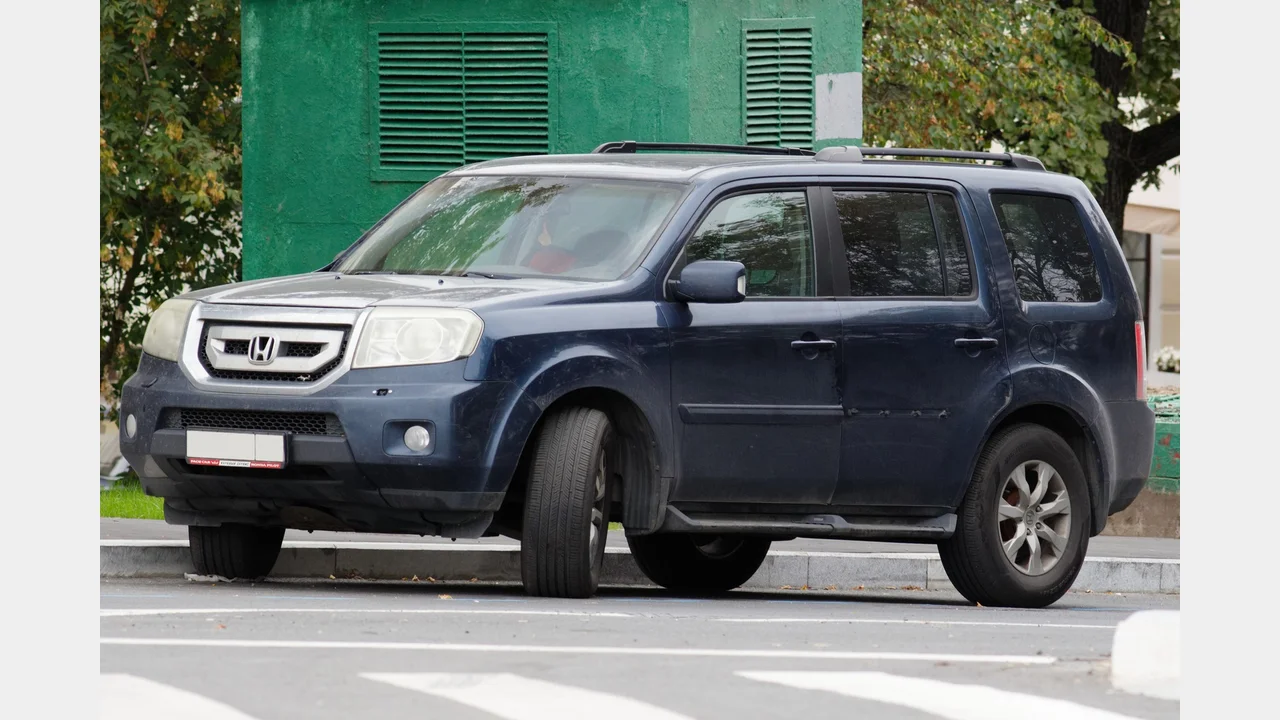
The 2009 Honda Pilot, the first year of the second-generation body with the 3.5-liter V6, uses a standard 12-volt lead-acid starting battery. It is widely listed in Group 24F. Before buying, confirm the group size on the label of the battery currently in your vehicle or in a retailer's fitment lookup, because a previous owner may have installed a different size. Then match or exceed the original cold cranking amps rating and make sure the terminals sit on the correct sides. One more check comes before the purchase. If the old battery died early or keeps going flat, a new one may not fix the problem. A weak alternator, a corroded cable or a parasitic draw will drain a replacement battery the same way, so it is worth ruling those out first.
Quick answer: what battery fits a 2009 Honda Pilot
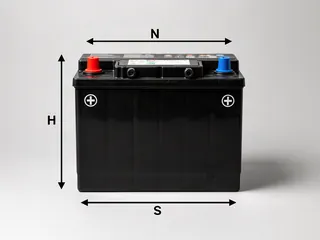
Group size: commonly Group 24F for this generation. Verify it against your existing battery or a fitment tool using year, model and engine. Terminal layout: the "F" in 24F means the terminals are reversed compared with a plain Group 24. Both have the same footprint, but the cables may not reach on the wrong one. Cold cranking amps (CCA): use at least the rating printed on the original or currently fitted battery. A higher rating is fine. Type: a conventional flooded battery is the usual fit. An AGM battery in the same group size is an optional upgrade, not a requirement. Hold-down: the replacement must fit the factory clamp and tray without spacers or loose movement.
How to read the battery label before you buy
Most battery labels carry four or five numbers that decide whether a battery is a suitable replacement. Here is what each one means and how much it matters for a Pilot.
Specification | What it means | What to look for; Group size (BCI) | Standardized case dimensions and terminal position | Same group as the factory fitment, typically 24F; Cold cranking amps (CCA) | Current the battery can deliver at 0°F for 30 seconds while holding usable voltage | Equal to or higher than the original rating; extra margin helps in cold climates; Reserve capacity (RC) | Minutes the battery can run essential loads if the alternator stops charging | Equal to or higher than the original; useful if you drive with many accessories; Type | Flooded, enhanced flooded (EFB) or AGM | Flooded is the standard choice; AGM handles deep discharge and vibration better; Date code | Month and year of manufacture, often a letter-number code or sticker | Choose a recently made battery; older stock may have self-discharged on the shelf
Flooded vs. AGM for a 2009 Pilot
The 2009 Pilot has no start-stop system and was not designed around an AGM battery, so a quality flooded battery in the correct group size meets the original requirement. An AGM battery costs more but recovers better from deep discharge. It also tolerates heat and vibration better and generally suits vehicles that sit unused for long periods or run aftermarket loads such as amplifiers, lighting or a dash camera wired for parking mode.
Either type works with the Pilot's factory charging system. What matters more is getting the correct case size, terminal orientation and an adequate CCA rating.
Signs the battery is due for replacement
Slow or labored cranking, especially on cold mornings. Clicking from the starter with dash lights that dim or flicker. A resting voltage that stays low after a full charge. A healthy, fully charged 12V battery typically reads about 12.6 volts with the engine off and settled. A failed load test or conductance test at a parts store or shop. A swollen case, cracked casing, leaking electrolyte or heavy corrosion that keeps returning at the battery terminals. A battery several years old that has started needing jump starts.
Rule out the charging system before replacing
Battery, alternator and wiring problems can look identical from the driver's seat. A few simple checks with a digital multimeter help separate them.
Charging output: with the engine running, system voltage at the battery should rise above resting voltage, generally into roughly the 13.5–14.5 volt range. A reading that stays near 12 volts points to the alternator or its wiring. A reading well above that range suggests a regulation fault. Voltage drop: measure across each battery cable while cranking or under load. A significant drop across a cable or connection means resistance from corrosion, a loose clamp or a damaged ground, not a bad battery. Parasitic draw: with everything off and the vehicle asleep, place an ammeter in series with the negative cable. A healthy vehicle usually draws only a few tens of milliamps once its modules shut down. A larger draw that never settles will flatten even a new battery. Fuses: if you track a draw to a specific circuit by pulling fuses one at a time, reinstall each fuse in the same position with the same fuse rating. Never substitute a higher-rated fuse. Wiring diagram: for anything beyond basic tests, a wiring diagram for your specific year and trim shows which circuits share fuses and grounds, so you don't guess.
Replacing the battery: general steps
Battery replacement on a Pilot is a basic job that needs common hand tools, typically a small socket set, plus a terminal brush and eye protection. The exact bracket design can vary, so check what you have before starting.
Turn off the ignition, remove the key and switch off all accessories. Have your radio anti-theft code ready if your audio unit requires one. Some Honda units of this era ask for a code after power is lost. Disconnect the negative (black, minus) terminal first, then the positive (red, plus). This keeps a tool from shorting the positive terminal to the body. Remove the hold-down bracket and lift the battery out carefully. Batteries are heavy and contain acid. Clean the tray and the cable clamps. Remove any white or green corrosion with a terminal brush and a baking soda and water solution, then dry everything. Set the new battery in the same orientation, with the positive terminal on the same side as before, and secure the hold-down so the battery cannot shift. Connect the positive terminal first, then the negative. Tighten the clamps firmly without overtightening, which can damage the posts or clamps. Optionally apply a thin coat of terminal protectant or dielectric grease to the connections. Start the vehicle and confirm the charging voltage with a meter if you have one.
After the swap: what may need resetting
Disconnecting the battery can clear stored settings. Expect to reset the clock and radio presets, and enter the radio code if prompted. One-touch power window functions may need re-initializing, which on many Hondas means holding the switch fully down and then fully up for a few seconds. The engine computer also relearns idle and fuel trim settings during the first drives, so a slightly uneven idle right after the swap is usually temporary. If warning lights stay on after a few drive cycles, have the codes read rather than assuming the battery caused them.
Buying checklist
Group size confirmed from the existing label or a fitment lookup for the 2009 Pilot. Terminal orientation matches: 24F, not 24, if that is what your vehicle uses. CCA equal to or above the original rating; reserve capacity at least as high as the original. Flooded or AGM chosen based on climate, accessories and how often the vehicle sits. Recent manufacture date on the case. Warranty terms understood: the length of free replacement versus prorated coverage. Core return planned. Most US retailers charge a refundable core fee and accept the old battery for recycling. Charging system and parasitic draw checked if the old battery failed early.
When to get professional help
Have a shop diagnose the electrical system if a new battery goes flat within days or weeks. The same applies if the battery light or charging warning stays on, if cables or terminals look melted or burned, or if a draw test shows a fault you can't isolate. These point to a charging or wiring fault, and replacing the battery again won't solve it.