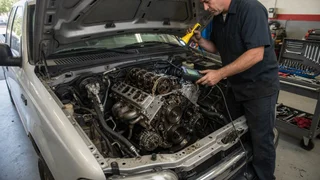
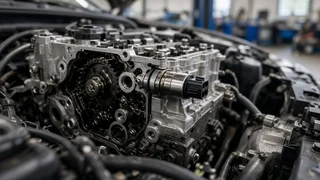
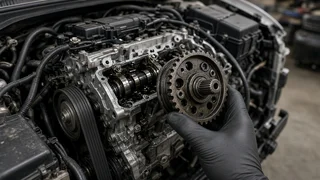
2004 Ford F-150 Camshaft Phaser
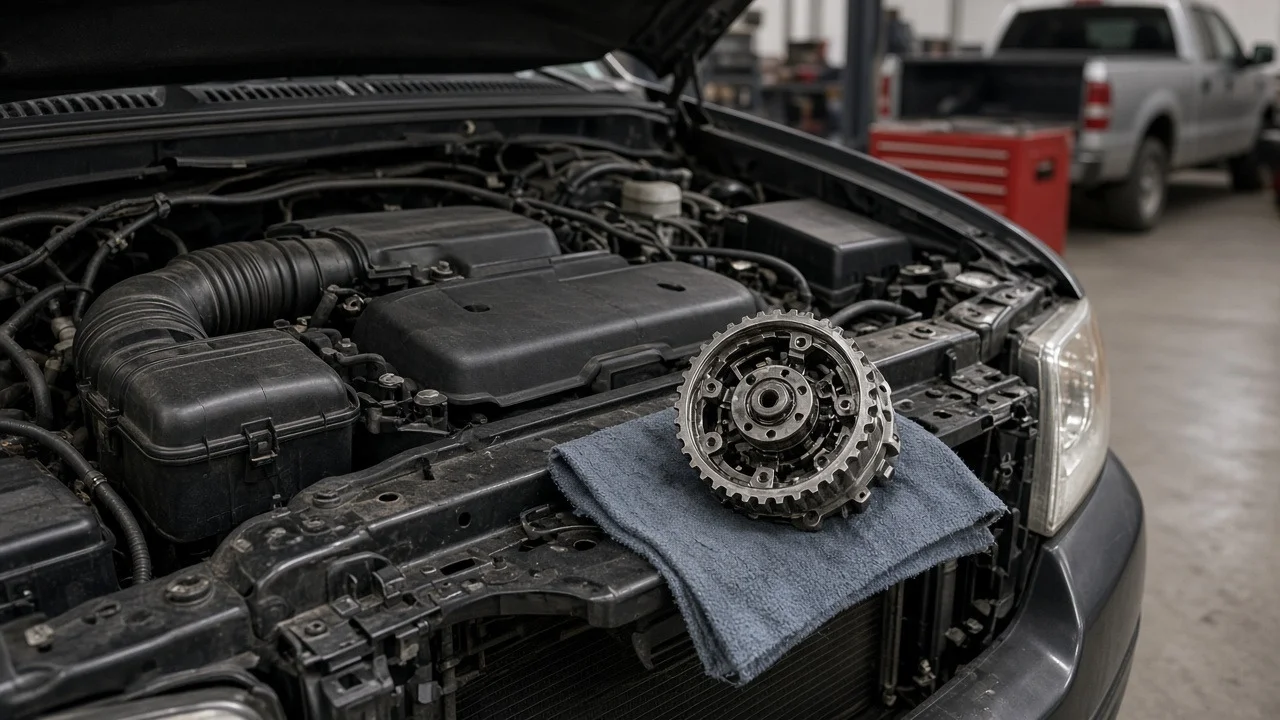
When a 2004 Ford F-150 develops a rough idle, an intermittent rattle near the front of the engine, or a check-engine light tied to variable valve timing, the camshaft phaser is often the focus. The 5.4L Triton V8 used in this model generation relies on engine oil pressure to adjust camshaft position. A phaser that cannot hold or change that position affects driveability, fuel economy, and power delivery. Understanding how the component works, why it fails, and which conditions mimic its symptoms helps a 2004 F-150 owner interpret the fault without assuming the phaser itself is always the failed part.
Essential answer
A camshaft phaser is the variable valve timing actuator mounted on the end of an overhead camshaft. In the 2004 Ford F-150 powertrain configuration, the phaser uses controlled engine oil flow to rotate the camshaft slightly relative to its drive sprocket. That rotation changes intake or exhaust valve events according to load, rpm, and throttle position. When the phaser is stuck, slow to respond, or leaking oil pressure internally, the engine may continue to run, but the valve timing no longer follows the calibration the engine computer expects.
The 2004 F-150 trucks equipped with the 5.4L V8 use phasers most often associated with cold-start knocking, warm idle roughness, or diagnostic trouble codes for camshaft position correlation. However, a phaser-related code is not direct proof that the phaser is defective. Low oil pressure, restricted oil passages, wiring faults, or a failed variable valve timing solenoid can produce similar behavior. The phaser should be considered a prime suspect only after oil supply and control inputs to the actuator are known to be sound.