2001 Dodge Durango Radiator Cap Pressure

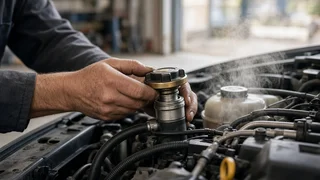
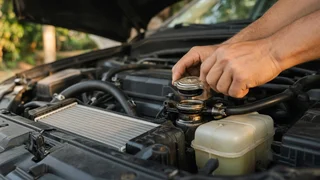
When the cooling system in a 2001 Dodge Durango cannot hold its designed pressure, the engine may run hotter than intended even if the temperature gauge looks normal at first. The radiator cap pressure question is really about the cap’s dual job: sealing the cooling circuit and raising the boiling point. A weak seal, the wrong spring rating, or a damaged filler neck can release coolant or allow air pockets to form. Interpreting cap pressure therefore starts with understanding how the cap, radiator, thermostat, and coolant concentration work together under load, not with replacing parts based on the cap’s printed number alone.
Essential answer
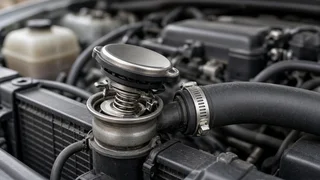
The essential answer is that the radiator cap pressure rating is a controlled release point, not a target the cooling system must constantly reach. On this generation of Durango, the cap is designed to hold the circuit closed until excess heat expands the coolant and pressure rises to the cap’s rated threshold. At that point the pressure valve unseats enough to move a small volume of coolant into the recovery bottle. When the engine cools, a return valve lets coolant draw back into the radiator instead of leaving an air pocket in the upper tank. A cap with an incorrect pressure rating changes both the release point and the temperature at which localized boiling can begin.
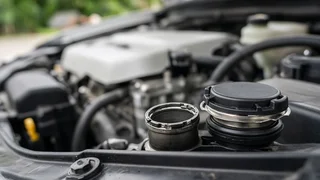
Before choosing a replacement, the practical step is to separate the cap from the rest of the cooling circuit. A cap that vents persistently below its intended threshold may be weak, but it may also be responding to combustion pressure entering the coolant or to a radiator neck that no longer provides a clean sealing surface. Checking the cap on a pressure tester is useful evidence, yet a good tester result does not prove the rest of the system is holding pressure. The cap pressure must therefore be interpreted alongside the thermostat opening behavior, coolant specification, radiator condition, and whether the upper hose stays firm as the engine warms.