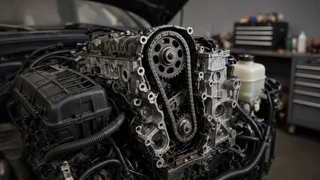
2.0 TSI Timing Chain
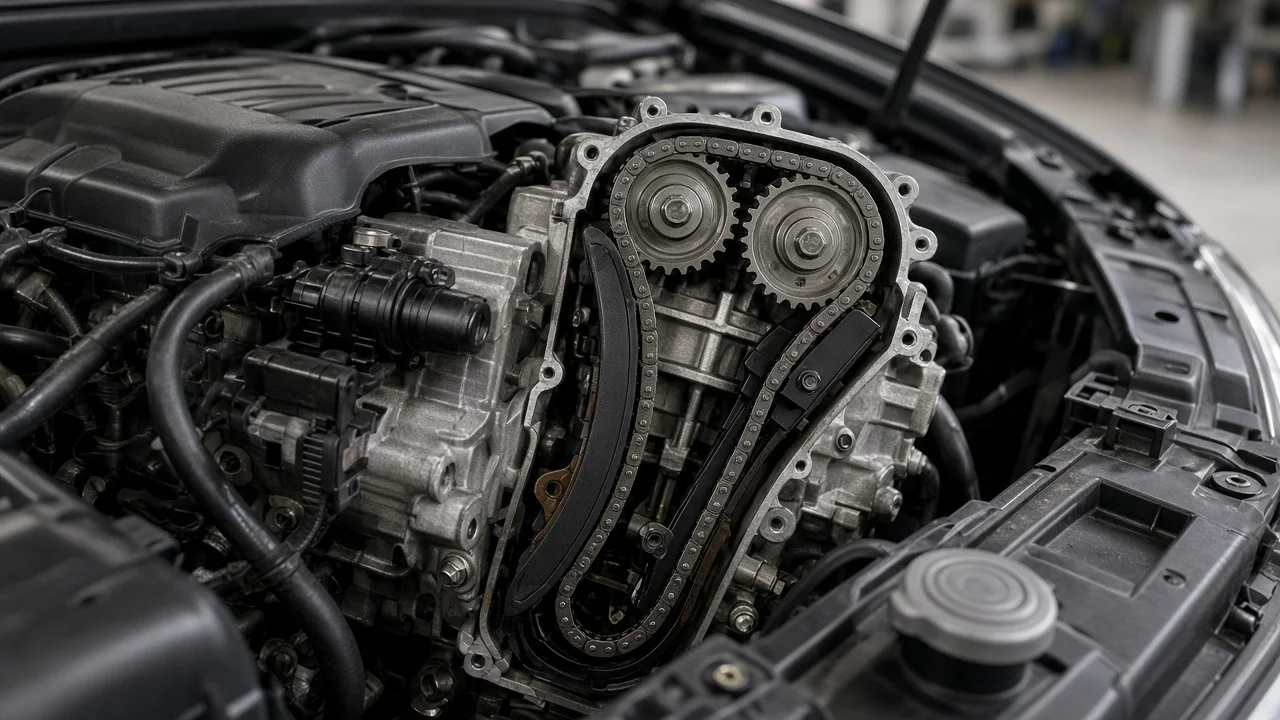
The 2.0 TSI engine timing chain is a metal link assembly that synchronizes the crankshaft and camshafts in Volkswagen Group four-cylinder engines. Unlike a rubber timing belt with a fixed replacement schedule, this chain is designed for long service life but can still develop wear, stretch, or tensioner problems. Owners typically research this subject when they hear cold-start rattle, see camshaft correlation diagnostic codes, or evaluate a used vehicle with unclear service history. Understanding how the system works, which engine configurations are involved, and what symptoms suggest inspection helps distinguish normal operation from a developing fault.
Essential answer
The 2.0 TSI timing chain synchronizes valve movement with piston position by connecting the crankshaft sprocket to the camshaft adjusters through a tensioned chain. Its scope includes the chain itself, guides, tensioner, sprockets, and the oil-pressure-dependent adjustment mechanisms. The essential answer is that this is a wear-sensitive engine timing system, not a maintenance-free promise. An owner should treat unusual rattle, rough running, or camshaft timing diagnostic codes as evidence that the system needs inspection, not ignore them until failure.
A materially important qualification involves engine configuration and service history. Different 2.0 TSI generations use different chain arrangements, guide materials, and tensioner designs, so a symptom that is common on one version may not apply identically to another. Diagnostic codes indicating camshaft position correlation or timing over-advanced are manufacturer-dependent and require vehicle-specific confirmation. Because the chain operates inside the engine, inspection usually involves checking measured values, listening under specific symptom conditions, and comparing findings against manufacturer specifications before any repair decision.