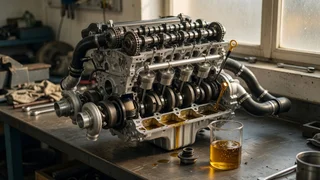
1GD-FTV engine oil capacity
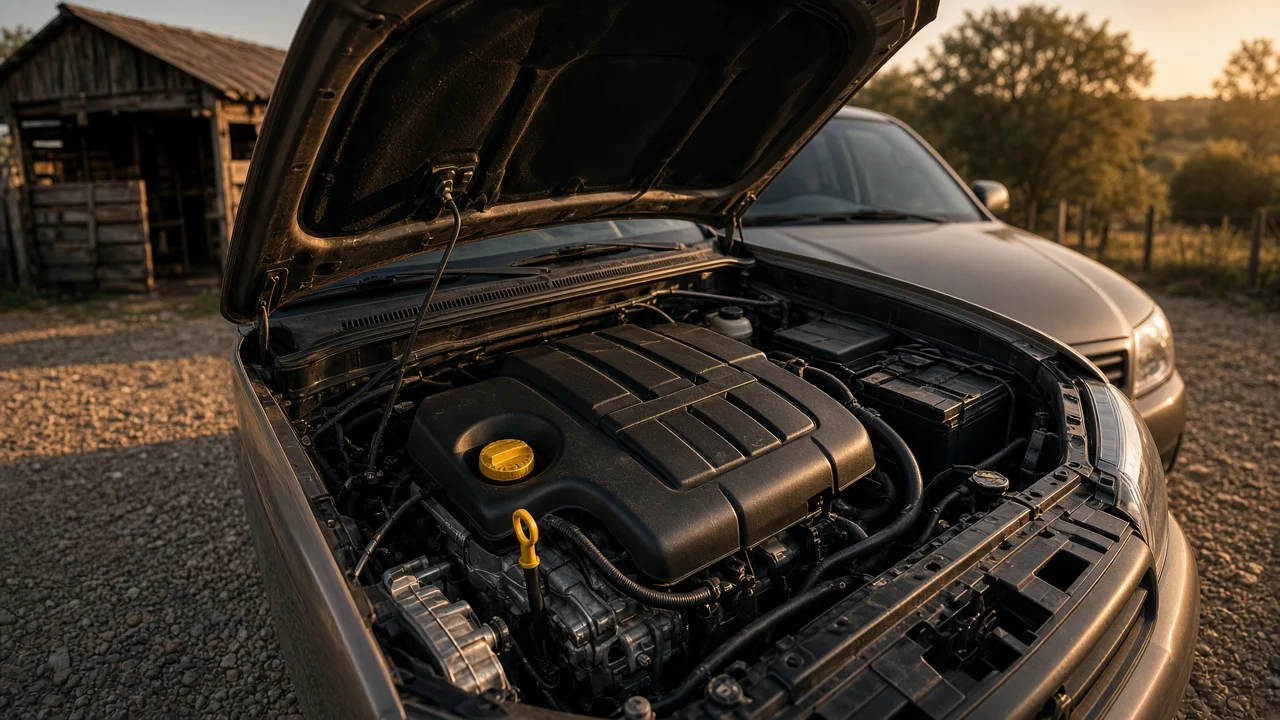
The 1GD-FTV is a modern turbo-diesel engine used in body-on-frame Toyota models sold in various global markets, though availability and trim applications differ by region. Owners and independent shops often search for its 1gd ftv engine oil capacity before a do-it-yourself change or a quick level correction. Diesel engines place particular demands on the lubricant because combustion byproducts, heat, and high cylinder pressures affect oil condition. The correct fill quantity is a starting point for a clean service, but the true service value comes from matching engine identification, lubricant specification, and the final level check on a level surface. The 1gd-ftv engine oil capacity should always be understood as a service-range figure rather than an isolated number, because residual oil, filter media absorption, and engine angle influence the amount that actually reaches the full mark.
Essential answer
The essential service concept behind the 1GD-FTV is that it uses a wet-sump diesel lubrication system whose fill quantity is described as a nominal oil capacity plus an allowance for the filter change. Without a confirmed manufacturer figure for a specific model year, the safe working approach is to treat the published range as a fill target, then verify the actual level with the dipstick before starting. Diesel engines can hold a meaningful amount of old oil in cooler passages and the turbocharger feed circuit, so a simple drain may not recover the entire theoretical capacity.
Because this engine has appeared in different vehicle platforms, any capacity should be read alongside equipment identification. A pickup, SUV, or commercial chassis may position the sump, front axle, or steering components differently, but the base long-block lubrication volume is usually similar. The direct answer is therefore qualified: use the approved drain-and-refill amount for that chassis as a starting volume, pour slightly less, start the engine briefly to circulate oil, then top up gradually to the full mark. That sequence avoids overfilling, which can raise crankcase pressure and stress seals.