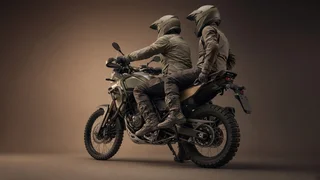
Yamaha Ténéré 700: Rider Fit and Passenger Accommodation
The Yamaha Ténéré 700, widely called the T7, is a mid-size adventure motorcycle built with an off-road bias. The short answer to the fit question is that it suits average-height and taller riders best, and that it can carry a passenger but treats two-up riding as a secondary job. Shorter riders can make it work with lowering options and technique, and passengers will find it adequate for shorter trips rather than a touring-first platform. How well it fits you depends on your inseam, the model year and variant, and how much you are willing to adjust or accessorize the bike.
What the Ténéré 700 Is and Why Fit Matters
In terms of model identification, the Ténéré 700 sits in Yamaha's adventure lineup below larger touring-oriented machines. Its engine configuration is the 689 cc liquid-cooled parallel-twin, known as the CP2, which Yamaha also uses in its MT-07 and related models. The drive system is a conventional six-speed gearbox with chain final drive. The rest of the design follows rally-style priorities: long-travel suspension, a large-diameter front wheel, a narrow chassis and a tall, slim riding position.
Those priorities shape rider fit more than anything else. Long suspension travel and generous ground clearance raise the seat, and a slim, off-road-oriented seat favors moving around while standing over cushioned comfort while seated. Understanding that trade-off helps explain both the bike's strengths and the compromises riders and passengers notice.
Rider Fit: Seat Height and Reach to the Ground
The T7 is a tall motorcycle. Its standard seat height is in the range typical of off-road-leaning adventure bikes, which puts it noticeably higher than street-focused middleweights. Riders with a longer inseam generally find they can get one or both feet down comfortably. Riders with a shorter inseam often reach the ground on the balls of one foot, which is manageable for experienced riders but can feel insecure in parking lots, on uneven ground or on slopes.
Exact seat height varies by model year and variant, and because the suspension sags under the rider's weight, the number on a specification sheet does not tell the whole story. Seat width matters too: a narrow seat lets the legs drop more directly to the ground, so a slim bike can feel lower than its figure suggests. Checking the service specification for your specific model year, then sitting on the bike with your riding boots on, gives a more reliable picture than comparing numbers alone.
Options for Shorter Riders
Riders who find the standard bike too tall usually consider one or more of the following approaches. Each has trade-offs, and the right combination depends on how the bike will be used.
Lower seat: A lower or reshaped seat reduces height without changing suspension behavior, though thinner padding can reduce comfort on long days. Lowering link: A revised rear suspension linkage drops the rear of the bike, but it also reduces ground clearance and changes chassis geometry, so the front is often adjusted to match. Fork adjustment: Sliding the fork tubes up in the triple clamps lowers the front to balance a lowered rear, within the limits allowed for safe clearance. Preload setup: Setting spring preload correctly for rider weight affects how far the bike settles; lighter riders may sit higher than expected if preload is set for a heavier load. Factory lowered versions: In some markets and model years, Yamaha has offered a lowered configuration; availability in the US should be confirmed for the year being considered. Riding technique: Planning stops on level ground, shifting weight to one side and putting one foot down confidently are common habits among shorter riders on tall adventure bikes.
Lowering a dual-purpose bike always gives something up. Reduced suspension travel or clearance matters most to riders who plan serious off-road use, while riders who stay mostly on pavement and graded dirt usually feel the loss less.
Riding Position and Controls
Once underway, the T7's riding position is upright, with wide handlebars and footpegs placed for standing. The relationship between seat, bars and pegs is designed to make the transition from sitting to standing natural, which is central to its off-road character. Taller riders often appreciate the open seat-to-peg distance, while some very tall riders look at handlebar risers to bring the bars up when standing.
The riding controls are conventional: cable or electronically managed throttle depending on model year, hand-operated clutch, foot-operated gear shift and rear brake. Lever reach and the position of the shift and brake pedals can be adjusted to suit hand size and boot size. Off-road riders frequently set the levers angled slightly downward so they remain easy to reach while standing. Later model-year updates revised parts of the bike's electronics and cockpit, so the specific display, ride mode and switchgear layout depends on the year.
Seat Comfort on Longer Rides
The standard seat is shaped to let the rider move forward and back easily, which helps when weighting the front on loose surfaces. The downside is that a narrow, firm seat can become uncomfortable over long highway stretches. This is a common observation about off-road-oriented adventure bikes generally rather than a flaw unique to the T7. Riders planning long days in the saddle often look at aftermarket or accessory seats with wider support and different padding, accepting that a wider seat can make reaching the ground slightly harder.
Wind protection plays into long-distance comfort as well. The stock screen is compact, consistent with the rally styling. Taller riders in particular may experience turbulence at highway speeds, and an accessory screen is a frequent change. Screen height that suits one rider can buffet another, so this is often a matter of trial and adjustment.
Passenger Accommodation
The standard Ténéré 700 is set up to carry a passenger, with a separate rear seat section, passenger footpegs and places to hold on. Two-up riding is entirely possible for errands, day rides and shorter trips. It is not, however, the bike's primary design target, and that shows in a few areas.
Passenger seat: The rear seat section is relatively narrow and sits high, reflecting the off-road styling, so it offers less support than the broad pillion pads on touring bikes. Passenger height: Because the rear seat is high, mounting and dismounting takes more effort, and shorter passengers may find it awkward without a step or practiced technique. Footpeg position: Passenger pegs are placed to keep the bike's profile slim, which can leave a passenger's knees more bent than they would like on long rides. Handholds: Grab points around the rear of the bike give the passenger something to hold, and a rear rack or luggage system may change how secure that grip feels. Engine performance: The parallel-twin engine has usable midrange, but a passenger plus luggage noticeably reduces the sense of spare power, particularly at highway speeds or on steep climbs.
Setting Up the Bike for Two-Up Riding
Adding a passenger changes how the bike behaves, and a few adjustments make a meaningful difference. The most important is rear suspension preload: increasing preload helps restore ride height and keeps the rear from sagging excessively, which preserves steering feel and ground clearance. Tire pressures may also need adjustment for the higher load. The owner's manual and the service specification for the relevant model year list the recommended preload and tire pressure settings for loaded riding, and those should be the starting point.
Riders should also check the total load against the bike's maximum load rating, which includes rider, passenger, luggage and accessories. Adventure riders tend to add weight quickly through crash bars, skid plates, racks and cases, so the passenger capacity left over can be smaller than expected.
Luggage and Equipment Compatibility
Equipment compatibility affects passenger comfort directly. Side cases mounted on racks can restrict where a passenger places their legs, and a top case can serve as a backrest if positioned well. Because mounting points and bodywork changed across model years, racks and cases designed for one year may not fit another. Confirming fitment against the exact model year before buying accessories avoids most compatibility problems.
How the Variants Differ
Yamaha has offered several Ténéré 700 variants, and fit and passenger capacity differ between them. Availability and naming vary by market and year, so the summary below describes general differences rather than exact specifications.
Variant type | Rider fit | Passenger accommodation; Standard model | Tall seat with split rider and passenger sections; adjustable with lowering options | Passenger seat, pegs and handholds included; suited to shorter two-up rides; Rally-oriented editions | Often fitted with a flatter, one-piece style seat for freedom of movement; can sit taller | Passenger use may be limited or less comfortable depending on seat design; Long-range or World Raid style versions (where offered) | Larger fuel capacity and different bodywork; often a taller, flatter seat aimed at off-road riding | Generally less focused on two-up comfort; check equipment for the specific year and market; Lowered configurations (where offered) | Reduced seat height for shorter riders | Similar passenger layout, with somewhat reduced suspension travel and clearance
Who the Ténéré 700 Fits Best
The Yamaha T7 fits most naturally for average-height to tall riders who want a capable, relatively light adventure bike and plan to spend real time on dirt and gravel. Shorter riders can adapt it with lowering, seat changes and technique, though they should weigh any loss of clearance against how they intend to ride. Riders who frequently carry a passenger over long distances may find a more touring-oriented adventure bike more comfortable for both people, while riders who carry a passenger occasionally will usually find the Ténéré 700 adequate.
The most useful next step is to sit on the specific model year and variant you are considering, wearing your riding gear, and if possible to try it with your usual passenger aboard. Checking ground reach, bar position, passenger knee angle and how easily the passenger can mount will tell you more about fit than any specification sheet.