Yamaha Ténéré: Choosing a Model for Rider Fit
The Yamaha Ténéré name covers adventure motorcycles built for long distances and rough roads. For a US rider today, the choice usually means the Ténéré 700 family, with the larger Super Ténéré as a used option. Which one fits depends less on the badge than on your inseam, how much off-pavement riding you plan, and whether you will regularly carry a passenger. This guide explains how the models differ on those points and how to narrow the choice before a test ride.
The Short Answer
For most solo riders who want a capable, relatively light adventure bike, the standard Ténéré 700 is the most practical starting point. Taller riders, or riders who prioritize serious off-road travel and long range, may prefer a longer-travel variant such as the World Raid, though it sits taller. Riders who mainly tour on pavement with a passenger are often better served by the larger Super Ténéré, which is no longer sold new in the US and has to be bought used. Shorter riders can make a Ténéré 700 work, but usually through a lower seat, a lowering kit or both, and each of those involves trade-offs.
Specifications, trims and accessory availability change by model year and market. Confirm the details of the exact bike and year you are considering, especially seat height and suspension travel, because these figures drive rider fit.
Model Identification: Which Ténéré Is Which
Over the decades Yamaha has applied the Ténéré name to several distinct motorcycles, so identify the model correctly before comparing fit.
Ténéré 700 (standard): a mid-size adventure bike with a parallel-twin engine and chain drive. It is the core of the current lineup and the model most US buyers are shopping. Ténéré 700 special editions (such as Rally-themed versions): mostly based on the standard bike, with cosmetic changes and added equipment such as protection parts. Fit is generally similar to the standard model, but check the seat and any suspension differences for the specific edition. Ténéré 700 World Raid: a more expedition-focused version with longer-travel, more adjustable suspension and a larger fuel capacity. The extra suspension travel usually means a taller seat and a taller bike overall. Ténéré 700 Explore and other lowered versions: some markets have offered a factory-lowered variant aimed at shorter riders. Availability in the US varies, so confirm whether such a version is sold where you live. Super Ténéré (XT1200Z): a larger, heavier touring-oriented adventure bike with a bigger parallel-twin engine and shaft drive. In the US it is now mainly a used-market choice. Older Ténérés (XT600Z, XT660Z and the early XTZ750 Super Ténéré): classic single-cylinder and early twin models, mostly of interest to collectors and enthusiasts, with limited US availability.
Why Rider Fit Matters on an Adventure Bike
Adventure motorcycles tend to be tall because long suspension travel and good ground clearance help on rough terrain. The trade-off is a higher seat, which can make it harder to put your feet down at stops, on uneven ground or when maneuvering a loaded bike. Fit involves more than seat height, though. These factors work together:
Seat height and seat width: a narrow seat lets your legs drop more directly to the ground, so a bike with a narrow seat can feel lower than its listed height suggests. A wide, plush seat can feel taller. Suspension sag: the bike settles under your weight. Heavier riders, or riders carrying luggage, compress the suspension more and sit lower. Adjusting preload (spring compression) changes this. Weight and center of gravity: a lighter bike is easier to hold up when you can only reach the ground on your toes. A heavier bike gives less margin for error. Riding position: the relationship between handlebar, seat and footpegs determines comfort when seated and standing. Off-road riders often stand, so bar height matters for taller riders. Riding controls: lever reach, pedal position and the shape of the tank and side panels all affect how naturally you can control the bike.
Comparing the Main Options on Fit
The table below compares the main choices in general, editorial terms rather than measured figures. Use it to decide which models to test-ride, then check exact numbers for the model year you are considering.
Model | Relative seat height | Relative weight | Drive system | Best suited to; Ténéré 700 (standard) | Tall for most riders; adjustable with accessories | Comparatively light for the class | Chain | Solo riders mixing pavement and dirt; Ténéré 700 World Raid | Taller than standard | Heavier than standard due to extra fuel and equipment | Chain | Tall riders, long-range and expedition-style travel; Lowered Ténéré 700 variant (market-dependent) | Lower than standard | Similar to standard | Chain | Shorter riders who accept less suspension travel; Super Ténéré (used) | Adjustable seat on many examples; physically a large bike | Heaviest of the group | Shaft | Pavement touring, two-up riding, long highway days
Ténéré 700: The Default Choice for Most Riders
The Ténéré 700 uses Yamaha's CP2 parallel-twin engine, an engine configuration known for a smooth, tractable character thanks to its uneven firing order. This makes the bike approachable at low speeds and on loose surfaces, which matters when you are still building confidence on a tall machine. Its relatively slim design and moderate weight are the main reasons many riders find it manageable despite its height.
Later updates to the Ténéré 700 have added electronics such as a ride-by-wire throttle, selectable riding modes and a larger color display, depending on model year. These features change how the bike feels and what it can do, but not its basic dimensions. If you compare a used bike with a newer one, check which equipment each has rather than assuming they match.
For shorter riders, the usual options for a Ténéré 700 are:
Low seat: a thinner or reshaped seat lowers you without changing the suspension. The cost is usually less cushioning on long rides. Lowering link or lowered suspension: this reduces ride height at the rear. It can affect cornering clearance, suspension behavior and the side stand angle, so a shorter side stand or a stand adjustment may be needed. Fork adjustment: if the rear is lowered, the front often needs a matching change to keep the bike's geometry balanced. Get this done by a qualified technician. Boots with thicker soles: a simple, reversible way to gain reach without modifying the bike.
Ténéré 700 World Raid: For Taller Riders and Long Range
The World Raid is aimed at riders who travel far from fuel stops and spend serious time off pavement. Its longer-travel, more adjustable suspension absorbs rough terrain better and gives more ground clearance, while its added fuel capacity extends range. For taller riders, the higher seat and more spacious feel can be an advantage, especially when riding standing up.
The same features make it less forgiving for shorter riders. A taller seat combined with more weight, particularly with full tanks, raises the effort needed at walking pace and when stopping on a slope. If you are not regularly doing long-distance or demanding off-road riding, the standard Ténéré 700 usually offers a better balance.
Super Ténéré: Touring Comfort and Passenger Accommodation
The Super Ténéré is a different kind of motorcycle. Its larger engine gives more relaxed highway cruising, particularly with a passenger and luggage, and its shaft drive system requires less routine maintenance than a chain. Many examples also have a seat with height adjustment, which helps with fit. The downside is weight: it is a large, heavy bike that demands more from the rider at low speeds and off-road.
Because the Super Ténéré is mainly available used in the US, buy based on condition and service history. Check that scheduled maintenance has been followed, including final-drive oil changes and valve clearance checks according to Yamaha's service specification for that model year.
Riding Two-Up: What to Consider
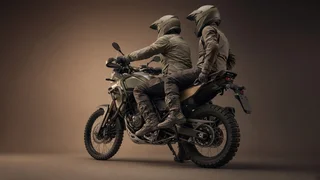
If you plan to ride with a passenger often, passenger accommodation should weigh heavily in your choice. The Ténéré 700 can carry a passenger, but it was designed with off-road ability and low weight as priorities, so the passenger area is relatively compact. That suits occasional short trips better than long two-up tours. The Super Ténéré, as a larger touring-oriented bike, generally offers more room and more relaxed power for carrying two people and luggage.
Passenger seat: check its width, padding and height relative to the rider's seat. A passenger seated much higher than the rider can make the bike feel top-heavy. Passenger footpegs: their position determines knee bend. Cramped pegs quickly cause discomfort on long rides. Grab handles or rack: a secure handhold helps the passenger stay stable during braking and acceleration. Suspension preload: increase rear preload when carrying a passenger and luggage to restore ride height and handling. Follow the owner's manual for the correct settings. Combined weight: the bike's load capacity covers rider, passenger and luggage together. Stay within the limit stated for your model.
Equipment Compatibility
Accessories can improve fit, but they are often specific to a model and model year. Seats, lowering kits, luggage racks, crash bars and windscreens designed for one Ténéré 700 generation may not fit another, particularly where bodywork or electronics have changed. Similarly, Super Ténéré parts are not interchangeable with Ténéré 700 parts. Before buying aftermarket or used accessories, confirm compatibility with your exact model and year, and remember that luggage adds weight high on the bike, which affects how it feels when stopped.
How to Test Fit Before You Buy
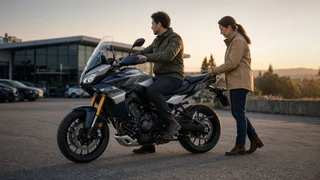
Sit on the bike with your usual riding boots and, if possible, with the suspension set as you would ride it. Have someone hold the bike upright while you check how much of each foot reaches the ground. Being able to put one foot down firmly is often more useful than reaching with both feet on tiptoe. Practice moving the bike by pushing and turning at walking pace to see whether you can manage its weight. Stand on the footpegs and check whether the handlebar height lets you stand comfortably without hunching. Check lever and pedal reach with your hands and feet in normal riding positions. If you will carry a passenger, test with them aboard, since sag and seat height change with the extra weight. Ride the bike if a dealer allows it. Fit at a standstill and comfort over an hour of riding are not the same thing.
Which Ténéré Should You Choose?
Choose the standard Ténéré 700 if you ride mostly solo, want a mix of road and dirt, and value a lighter, approachable bike. Choose the World Raid if you are tall, plan long trips with limited fuel stops, or ride demanding off-road terrain regularly. Choose a lowered Ténéré 700, or a standard bike with a low seat or lowering kit, if seat height is your main obstacle and you accept some loss of suspension travel or comfort. Choose a used Super Ténéré if pavement touring and regular two-up riding matter more to you than off-road agility, and you can handle a heavier bike.
Whichever model interests you, use this comparison to shortlist one or two, then confirm the exact specifications for the model year and trim you are considering and spend time on each bike in person. Rider fit is personal, and a test sit and ride will tell you more than any spec sheet.