Workhorse VIN decoding and identification
A Workhorse VIN check turns the stamped vehicle identification number into a clearer picture of the chassis identity, production background, and factory configuration. For these commercial and specialty vehicles, the seventeen-character sequence is not just a registration formality; it is the fastest way to separate one build from another when chassis, body upfits, or fleet histories can differ sharply. Decoding the identifier helps owners, buyers, and service providers confirm what they are actually looking at before making purchase, repair, or compliance assumptions.
Essential answer
A Workhorse VIN check is a structured way to read the vehicle identification number and use it for identification, history review, or vehicle research. The core answer is that the VIN works as a permanent automotive fingerprint, but the information it exposes depends on how it is read. Basic decoding can reveal where and when a vehicle was built, while a broader check may connect that build identity to title, damage, theft, or odometer records. Because Workhorse has produced different chassis generations and configurations, the same kind of check can return very different levels of detail.
Reading the VIN alone does not prove a mechanical condition, and a fault or history flag is only one data point. The most useful view treats the decoded identifier as a baseline: it confirms the expected chassis family, plant information, and series before someone inspects the actual vehicle. Unless a record is supported by documentation or physical inspection, the check narrows possibilities rather than certifying a specific defect. That makes the process valuable for initial due diligence, especially when fleet vehicles or custom bodies complicate ordinary identification.
Identification and location
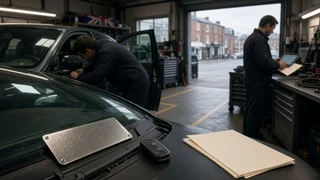
The vehicle identification number is usually found in more than one place, and matching those locations is a practical way to catch altered or mislabeled vehicles. For many commercial chassis, visible VIN placement includes the driver-side windshield area and a manufacturer label or stamping on the structure. Because Workhorse vehicles may have bodies added by other companies, the chassis number may be less obvious than on a common passenger car. Checking the dashboard plate against the door-area label or frame location helps confirm that the identity shown on paperwork matches the underlying vehicle.
Identification also involves the smaller codes that describe the build. Along with the model year character, decoded data can point to the assembly plant, gross vehicle weight class, engine family, or factory equipment group. A market specification or trim code may help distinguish otherwise similar units sold into different service roles. Where body upfits or later modifications are present, these factory values provide a useful reference for deciding whether a particular system was part of the original production or added afterward. That distinction can matter greatly when sourcing parts or interpreting service records.