Why Is My Steering Wheel Crooked or Off-Center After an Alignment?
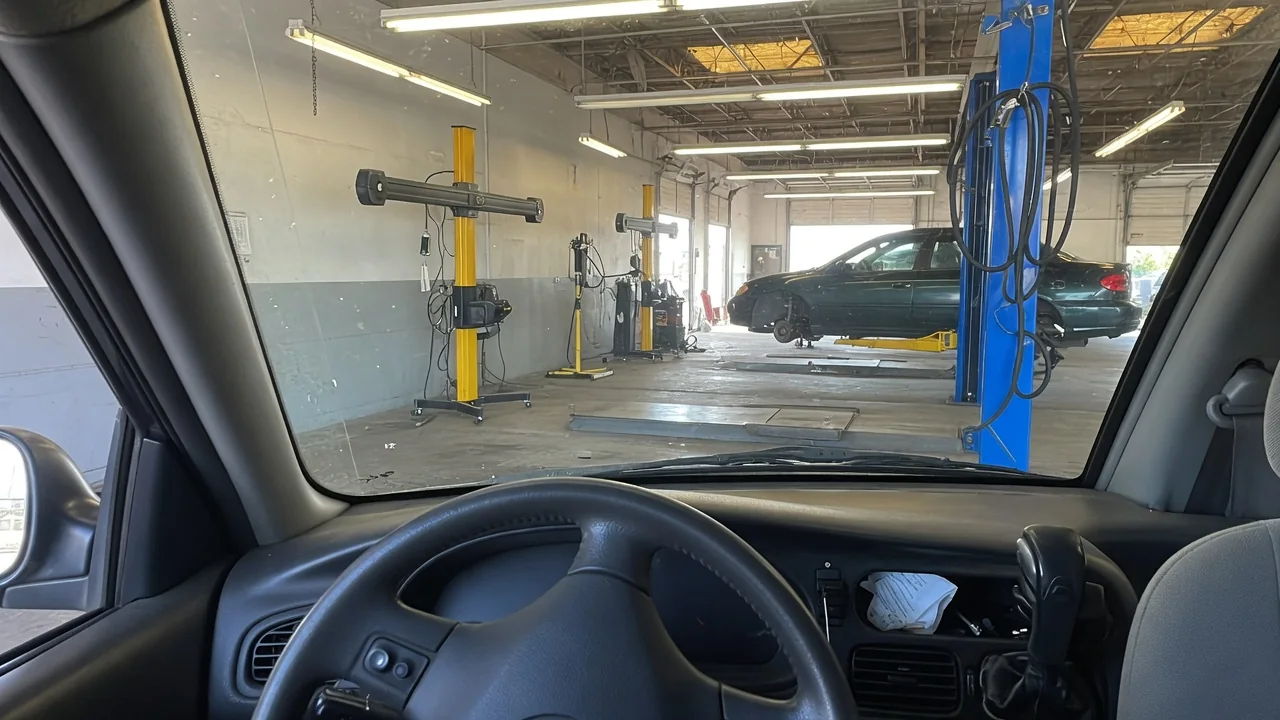
A crooked steering wheel after alignment is frustrating because the service was supposed to make the car drive straight. If your steering wheel is not straight after a wheel alignment, the explanation may lie in how the front toe was set, how the rear wheels guide the vehicle, or whether worn parts allow settings to shift. Understanding how steering and wheel alignment work together helps you describe the problem clearly and request the right correction.
Why Steering Wheel Position Matters During Alignment
Steering wheel centering is part of a finished alignment, not an optional extra. The alignment machine measures angles such as camber, caster, and toe, and a printout can show every value inside its specified range while the steering wheel still sits tilted during straight travel. That happens because the readings describe how the wheels are aimed relative to the vehicle, not where the steering wheel spokes rest. A complete steering wheel alignment brings wheel alignment and steering wheel position into agreement, so the vehicle tracks straight with the wheel level.
The steering wheel connects through the column, steering gear or rack, and tie rods to the front knuckles, so its position reflects where the road wheels point. When the front toe on one side is set slightly differently from the other, the steering linkage must rotate to keep the car going straight, and the wheel ends up off-center. That tilt is a symptom rather than a diagnosis. On its own, a crooked wheel does not prove a tie rod, rack, or suspension component has failed; it simply shows that steering and wheel position disagree.
How an Alignment Can Leave the Steering Wheel Crooked
If you are wondering why your steering wheel is not straight after alignment, start with how the adjustment was made. Technicians typically secure the steering wheel in a centered position with a holding tool before setting front toe. If the wheel is held slightly off-center, or shifts while the vehicle is on the rack, each tie rod gets adjusted around that incorrect reference. The front wheels may end up pointed straight ahead, but the steering wheel stays rotated by the same amount it was misplaced during the work.
Front toe is often reported as individual left and right values plus a total. Total toe can sit comfortably within specification while the split between sides is uneven, and that imbalance is what rotates the steering wheel. For that reason, the shop should confirm centering after the final adjustments and complete a road test on a reasonably straight, level road. A steering wheel crooked after alignment does not automatically mean the alignment was skipped or the car was damaged; it may simply mean the final centering check needs another look.
Rear Thrust Angle and Worn Parts Can Affect Centering
Rear thrust angle describes the direction the rear wheels push the vehicle relative to its centerline. If the rear wheels guide the car slightly to one side, the front wheels must be turned to compensate, and the steering wheel sits off-center to keep the vehicle traveling straight. A thrust-angle alignment references front toe to that rear direction, while a four-wheel alignment may correct the rear first where the design allows. Available adjustments depend on the suspension, and some rear axles offer limited or no factory adjustment.
Worn or loose parts can also prevent stable settings. Play in tie rod ends, ball joints, control arm bushings, or the steering gear lets wheel angles move under braking, acceleration, and bumps, so a correct measurement on the rack may not hold on the road. Prior impact from a curb, pothole, or collision can bend a tie rod, shift a subframe, or distort a mounting point. These are possibilities that require inspection rather than assumptions, and the repair needed depends on the vehicle's specific suspension design.
Safe Observations to Record Before Returning to the Shop
Before returning, write down when the tilt started, which direction the steering wheel sits while driving straight, and whether it has stayed the same since the alignment. A tilt that appeared right after the service and never changed is useful context for questioning the adjustment, while one that developed later or keeps changing suggests something moved or wore. Keep in mind that road crown, crosswinds, and uneven tire pressure or wear can influence steering effort, so a single observation on one road cannot establish the cause.
Also note any pulling, vibration, clunks, looseness in the steering, dashboard warning lights, or unusual tire wear patterns. Record these during normal driving with both hands on the wheel; hands-off tests on public roads are unsafe and are not needed to describe the symptom. If the steering becomes unpredictable, develops substantial play, or changes suddenly, stop in a safe location and arrange professional assistance or towing rather than continuing to drive. Those symptoms go beyond a centering complaint and deserve prompt inspection.
What a Steering Wheel Centering Service Should Include
A proper steering wheel alignment service starts with the tires, checking pressure, tread condition, and size, because mismatched or unevenly worn tires can affect how the vehicle tracks. The technician then inspects steering and suspension components for looseness or damage before measuring the applicable wheel angles. With the steering centered and secured, they set rear alignment where adjustable, then front toe on each side so the steering wheel is level when the wheels point straight ahead along the thrust line. That sequence is how a shop should fix steering wheel alignment.
Many modern vehicles use a steering angle sensor for stability control, lane keeping, or other driver assistance systems. The shop should check the manufacturer's procedure to see whether a sensor calibration, reset, or related system check is required after alignment work; some vehicles need one and others do not. Removing the steering wheel and repositioning it on its shaft is not a routine shortcut for an alignment-related tilt, because it hides uneven toe instead of correcting it and can interfere with how steering angle is reported to vehicle systems.
What to Ask the Alignment Shop to Recheck
When you return, describe the concern plainly: the steering wheel remains tilted during ordinary straight travel since the alignment, noting the direction and roughly how far. Ask for the before-and-after alignment printout and review the individual left and right front toe readings, not just the total. Where the vehicle supports it, ask about rear alignment values and thrust angle as well. These numbers show whether front toe was split evenly and whether the rear wheels could be steering the car to one side.
Ask the shop to explain any worn parts they found, any adjustments unavailable on your suspension, and any vehicle-specific procedures such as steering angle sensor checks. Confirm that steering wheel centering was verified on a road test after the final adjustment, not only on the rack. Finally, ask whether the return visit falls under the shop's service policy for wheel and steering alignment work and what that policy covers. Arriving with clear observations and specific questions makes the correction faster and more accurate.