Why Does a Stored Car Develop Cabin Odor?
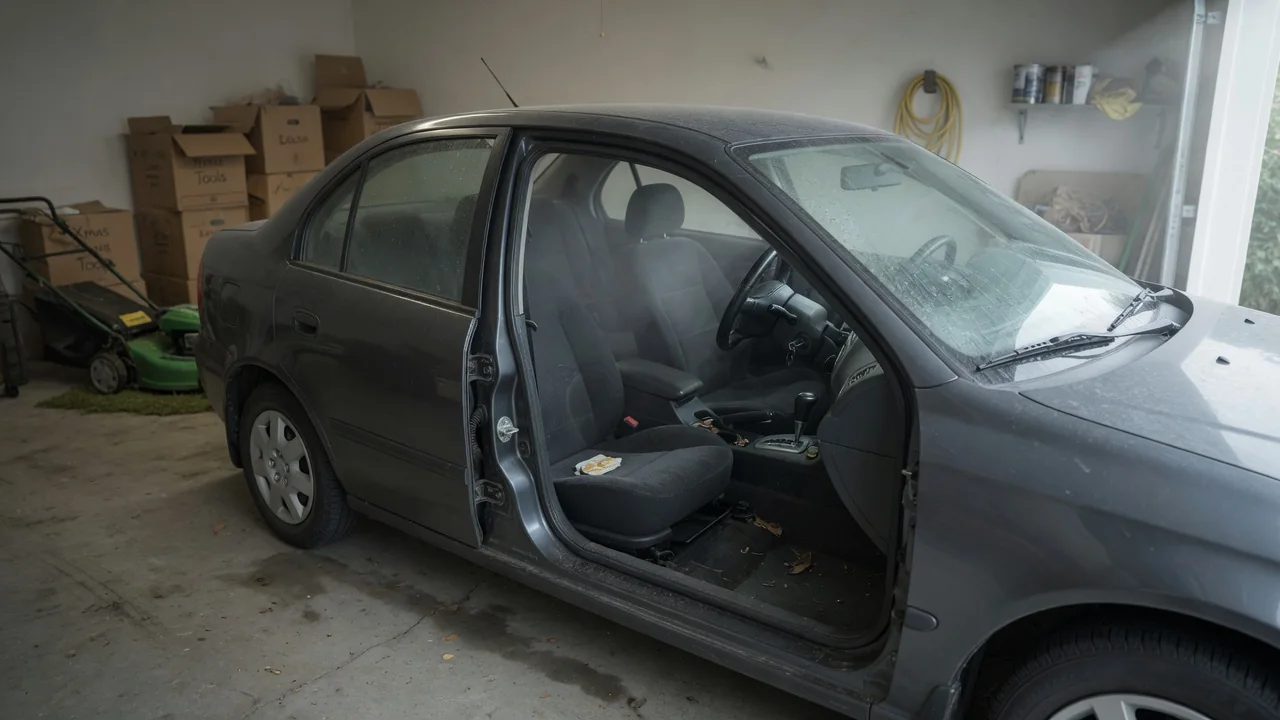
A car that sits for weeks or months often greets its owner with a stale, musty smell the moment the door opens. In most cases the cause is not mysterious. Moisture trapped inside the cabin, air that barely moves, and organic residue left on surfaces combine to feed mold, mildew and bacteria. Understanding how these three factors interact explains why a stored car develops cabin odor and what an owner can realistically do to prevent or reverse it.
Hidden Moisture
Water gets into a car's interior in more ways than most owners notice. Snow and rain carried in on shoes soak into carpet and the padding beneath it. Wet umbrellas, damp jackets and spilled drinks add more. Because carpet underlay is thick and sits against sheet metal, it can stay wet long after the visible surface feels dry. When a car is driven regularly, cabin heat, airflow from the climate system and frequent door openings help this moisture escape. Once the car is parked for storage, that drying cycle stops and the trapped water stays where it is.
Leaks are another common source. Door and window seals, sunroof drain tubes, glass seals and floor plugs can all let water in if they are worn, misaligned or clogged, and a blocked drain can send water into the headliner, pillars or footwells without any obvious drip. The air conditioning system also contributes. The evaporator removes moisture from cabin air, and the condensate it collects is meant to drain outside. If that drain is restricted or the evaporator stays damp after shutdown, the housing behind the dashboard becomes a dark, humid space where microbial growth is likely. That is one reason a stored car musty smell is often strongest when the fan is first switched on.
Temperature swings in a garage or storage unit make things worse. As air cools overnight, moisture can condense on glass and metal inside the cabin and then drip into upholstery or carpet. Mold and mildew need only moisture, mild temperatures and something organic to feed on, such as dust, skin cells, food crumbs or natural fibers. Given weeks of undisturbed time, they grow and release the compounds people recognize as a musty, earthy odor.
Ventilation
A sealed cabin is designed to keep weather out, and during storage it also keeps humid air in. Without airflow, moisture released from carpet, seats and the HVAC housing has nowhere to go, so the air inside the car can stay humid even when the surrounding garage is reasonably dry. Odor compounds accumulate instead of dispersing, which is why the smell seems to hit hardest when the door is first opened after a long break.
Owners often try to address this by leaving a window cracked. In a clean, dry, secure garage, that can allow some useful air exchange. It can also backfire. If the storage space itself is damp, an open window simply lets humid air reach the interior. It can also admit dust, insects and rodents, and rodents nesting in a cabin or air intake bring strong odors of their own. Whether partial ventilation helps depends mostly on the storage environment, not on the car.
The ventilation system matters even when the car is parked. Fresh air intakes near the base of the windshield can collect leaves and debris that hold water and decay. A cabin air filter, on vehicles that have one, can trap moisture and organic material and become an odor source itself. Running the fan with the AC compressor off for a few minutes before shutting the car down is a commonly suggested way to help dry the evaporator, though its effect varies with system design.
Cleaning
Cleaning before storage removes much of what odor-causing organisms need. Vacuuming carpets, floor mats, seat seams and the trunk takes out crumbs, dirt, pet hair and dust. Food wrappers, drink containers, gym bags and anything else that can spoil or hold sweat should come out of the car entirely. Floor mats, especially rubber mats that trap water underneath, are worth removing and drying separately, and the carpet beneath them should be checked by hand for dampness rather than judged by appearance.
If the car already smells when it comes out of storage, the first goal is to find and dry the source rather than cover it. Scented air fresheners mask odor temporarily but do nothing about moisture or growth, so the smell typically returns. Damp carpet may need to be extracted with a wet vacuum and then dried thoroughly with airflow. Cleaners made for automotive fabrics, used according to the product directions, can remove residue. Hard surfaces should be wiped with a cleaner suited to the material, since some plastics, leather and screens are sensitive to harsh chemicals.
Odors coming from the vents call for different steps. Replacing the cabin air filter and clearing debris from the cowl area are straightforward starting points. Evaporator cleaning products also exist, but application methods differ, and the owner's manual or a service manual for the specific vehicle is the right reference for filter location and access. Once the source is gone, odor absorbers such as activated charcoal or baking soda can reduce what lingers, and moisture-absorbing products can help keep the cabin drier during the next storage period.
Practical Implications and Limits
In practice, the smell is a symptom, and its persistence is a rough signal of what is going on. A faint staleness that fades after a drive with the windows down usually reflects stagnant air. An odor that survives airing, returns within days, or comes with fogged windows, damp footwells or visible spots on fabric points to an ongoing water source that cleaning alone will not fix. Tracing a leak can take patience, because water may enter at one point and collect somewhere else entirely.
Home measures also have limits. Mold that has worked deep into carpet padding or seat foam may not be fully removable without replacing the affected material. Ozone and other aggressive treatments are sometimes used by professional detailers, but they carry risks to interior materials and to people and are best left to those trained to use them. A persistent smell accompanied by headaches, irritation or breathing discomfort should be treated as a health concern: ventilate the car and limit time inside it until the source is resolved.
How quickly a particular car develops odor depends on factors that differ from vehicle to vehicle and place to place, including the condition of seals and drains, interior materials, local climate and how the car was used right before it was parked. No single routine guarantees a fresh cabin. Periodic checks during storage, rather than one inspection at the end, make it far easier to catch a damp footwell or a new smell before it spreads.