Why Does a Dashboard Rattle on Rough Roads?
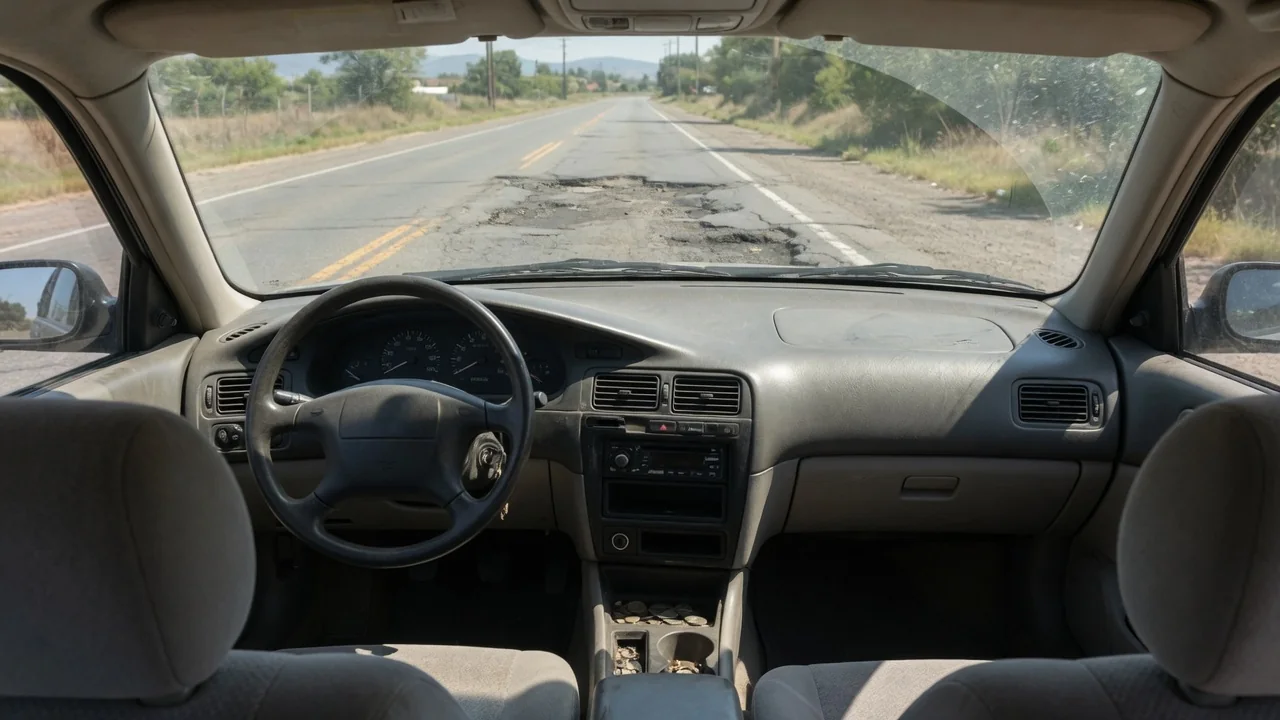
Anyone asking why does a dashboard rattle on rough roads is usually hearing plastic trim panels, retaining clips, or hidden components moving against one another as the body flexes over bumps. The noise is rarely a single dramatic failure. More often it comes from small gaps, tired fasteners, and materials that expand and shrink with temperature, which is why it can come and go.
Find conditions
The first step is noting exactly when the sound appears. A rattle that shows up only over sharp, broken pavement points toward parts with a little free play, while a buzz at a particular engine speed on smooth asphalt suggests a panel resonating with drivetrain vibration. Record the road surface, vehicle speed, and whether the noise changes when the climate fan, audio system, or defroster is running, because each of those adds its own vibration source behind the instrument panel.
Temperature deserves its own note. Dashboard plastics contract in cold weather, opening small gaps around clips and seams, so a cabin that ticks and chatters on a frosty morning may fall silent once the heater has warmed the interior. The opposite also happens, with sun-heated panels expanding until two edges rub and creak. Writing down the outside temperature and how long the vehicle has been driven helps separate a thermal pattern from a noise that is present every time.
Check loose objects
Before suspecting the dashboard itself, empty the places where everyday items collect. Coins in a tray, sunglasses in an overhead holder, pens in the glovebox, a phone mount on a vent, and charging cables draped against trim can all imitate a deep in-dash rattle. Sound travels along hard plastic and reflects off the windshield, so something loose in a door pocket or center console often seems to come from directly behind the gauges.
Take a short drive over the same rough stretch with those compartments cleared and the glovebox contents removed. If the noise disappears, return items one at a time until it comes back. If it remains, check things that are attached but adjustable, such as vent louvers, the glovebox door and its latch, sun visors, and any accessory wired or clipped in after purchase. Aftermarket dash cameras, toll transponders, and their cable runs along the windshield pillar are frequent contributors that owners overlook.
Repair approach
Once the area is narrowed down, light hand pressure is a useful and harmless test. With a passenger pressing gently on different panels while the vehicle travels over a rough surface, a noise that stops under pressure identifies the trim piece involved. Common findings include a retaining clip that has lost tension or cracked, a panel that was not fully seated after earlier work, or two plastic surfaces touching where the original felt or foam has compressed or fallen away.
The fix usually matches the cause: replacing a fatigued clip, reseating a panel, or adding felt tape or foam between surfaces that touch. Removing dashboard trim is where caution matters, because panel designs, hidden fasteners, and clip styles differ widely between vehicles, and brittle plastic breaks easily when cold. Many dashboards also house airbag modules and wiring, so anything beyond accessible trim pieces is better handled using vehicle-specific service information or left to a technician who works on interior noises regularly.
Everyday Use and Observations
Daily driving provides the best evidence over time. A rattle that follows the seasons, loud in winter and absent in summer, is strongly tied to material contraction and clip tension rather than a broken part. One that began right after a windshield replacement, stereo installation, cabin filter change, or other service suggests something was disturbed and not fully reassembled. Noises that grow steadily worse regardless of weather hint at a fastener gradually working loose.
Vehicle design shapes what is normal. Trucks and stiffer-riding vehicles pass more road shock into the cabin, large one-piece dashboards have long seams that can creak, and models with many separate bezels have more clips to loosen. Tire pressure and worn suspension parts also affect how much impact reaches the interior, so a cabin that has become noisier overall may reflect harsher inputs rather than new trim faults. Comparing the sound on smooth and rough pavement helps keep these influences apart.
Limits and Next Steps
Interior noise tracing has real limits. Sounds travel through the dash structure, so the spot that seems loudest is not always the source, and a quiet test drive on a warm day does not prove a cold-weather rattle is fixed. Some noises blamed on the dashboard actually come from the cowl area, windshield trim, heater ducting, steering column covers, or parts under the hood near the firewall, and those require a different inspection than interior trim.
If clearing loose items and pressing on panels has not pinpointed the source, a shop visit with good notes is the efficient next step. Describe the road surface, speed, temperature, and any recent work, and offer to ride along so the technician hears the same sound. Seek attention sooner if the rattle comes with a clunk felt through the steering wheel, looseness in the column, or warning lights, since those signs point beyond trim and deserve a proper inspection.