Why Do Cupholders Rattle When Empty?
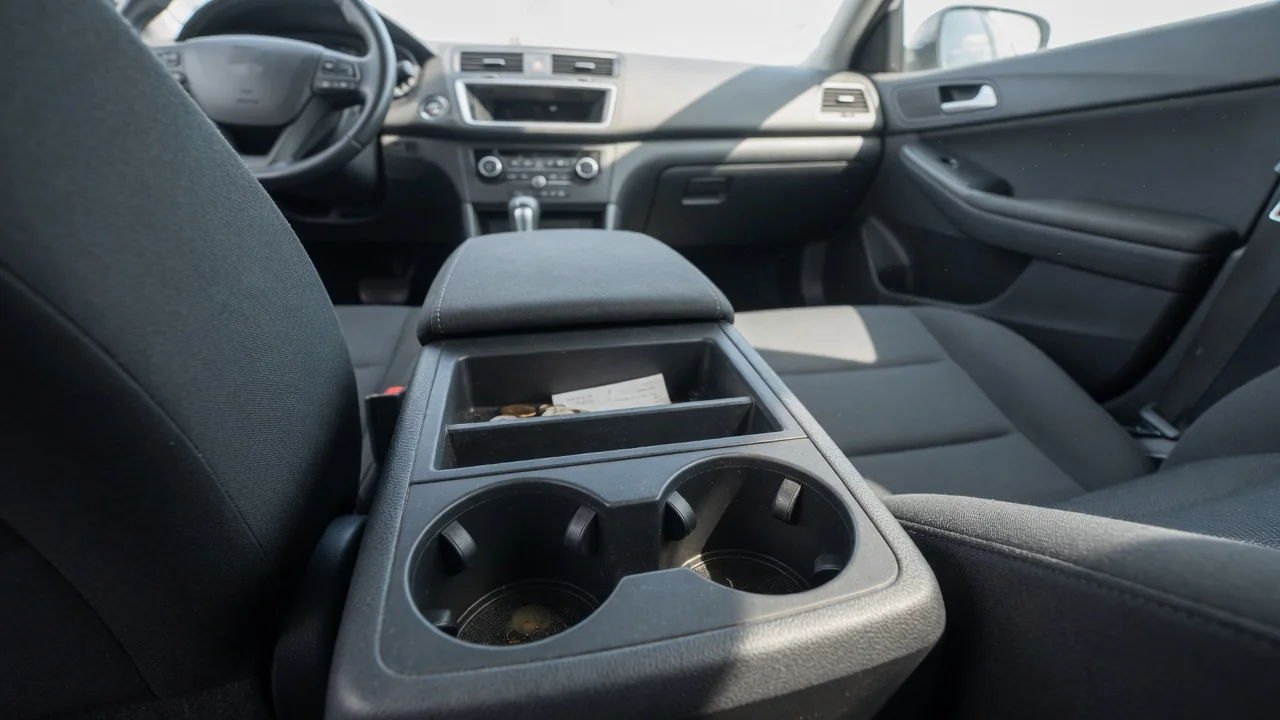
Anyone asking why do cupholders rattle when empty is usually hearing lightweight plastic and rubber parts moving against each other. A drink adds weight and pressure that holds everything still, so the noise only appears once the cup is gone. The cause is normally small clearances in removable inserts, spring-loaded grips, or surrounding console trim, and most of it can be tracked down by hand.
Locate loose part
Start with the vehicle parked and the cabin quiet. Press lightly on each part of the cupholder in turn: the rubber or plastic liner at the bottom, the spring-loaded tabs that grip a cup, any removable divider, and the trim ring around the opening. A part with play will click, shift, or tick under a fingertip. Tapping the console beside the holder with a knuckle can reproduce the same buzz heard on the road, which helps separate the cupholder itself from a nearby panel.
Layouts differ a great deal between vehicles. Some use a single molded tub with a drop-in mat, others have a sliding cover, a folding arm, or a holder that deploys from the dash or a rear armrest. Each moving element adds another possible contact point. If pressing on one piece silences the noise during a slow drive over rough pavement, with a passenger doing the pressing, that piece is the likely source. Loose coins, pens, or a dropped clip beneath the liner are also worth ruling out early.
Clean
Dirt changes how these parts sit. Dried soda, coffee residue, and grit collect under a removable insert and prevent it from seating flat, leaving it perched on a hard crust so it rocks and taps with every bump. Sticky residue can also hold a spring tab partly retracted, so it no longer rests against its stop and chatters instead. Lifting out the liner, where the design allows it, often reveals a layer of debris that explains why a once-quiet holder became noisy.
Removable mats and inserts can usually be washed in warm water with mild soap, then dried completely before going back in. The fixed tub is better wiped with a damp cloth and a soft brush around the tab pockets, rather than flooded, because liquid can run down into the console where wiring or shifter components may sit. Harsh solvents can harden rubber or dull plastic finishes, making the fit worse. After cleaning, the insert should drop in fully and sit level without rocking at any corner.
Restore fit
If a clean insert still moves, the fit itself has loosened. Rubber liners shrink, curl, or harden with heat and age, and plastic locating tabs wear until they no longer hold tension. A small gap between two hard surfaces is all it takes for vibration to turn into sound. Checking how the piece is retained, whether by friction, molded lugs, or clips, shows where the slack has developed. An insert installed rotated or in the wrong pocket may also sit loosely even though nothing is worn.
Restoring the fit usually means taking up that clearance with something soft. Thin felt or foam tape of the kind used for interior trim, placed on the hidden underside or edges of an insert, cushions the contact and stops the tapping without changing how the holder looks. A liner that has deformed or a tab with a weak or broken spring is better replaced than padded, and the correct part depends on the specific vehicle. Anything added should not interfere with moving covers or grips.
Everyday Use and Observations
The noise pattern says a lot about the source. A light tick over sharp bumps points to a loose insert or divider lifting and dropping, while a steady buzz at a certain engine speed or road surface suggests two trim edges vibrating together. Rattles that come and go with temperature are common, since plastics contract in cold weather and open up small gaps, then quiet down as the cabin warms. Setting a cup in the holder and hearing the noise stop is a useful confirmation.
Daily habits affect how long the fit lasts. Oversized bottles forced into the opening can bend the grip tabs outward, and heavy items dropped in repeatedly wear the locating points. Using the holder as storage for keys or coins adds noise of its own that is easy to mistake for a trim fault. Holders with adjustable or removable sections tend to be quieter when those sections are fully latched in one position, rather than left partway between settings where nothing holds them firmly.
Limits and Next Steps
Simple checks have limits. If the sound continues with the insert removed and the tabs held still, the source is probably deeper, such as a console panel clip, the mounting of the holder assembly, or something unrelated nearby like a shifter surround, armrest latch, or item in a storage bin. Sound travels through hard plastic, so a rattle that seems to come from the cupholder may originate several inches away. Prying at console trim without knowing where the clips sit risks breaking them and creating new noises.
When the cause is not accessible from above, a trim shop or dealer service department can remove the console pieces properly and inspect the fasteners. This is especially sensible on vehicles with heated or cooled cupholders, lighting, or switches in the console, where wiring and connectors lie close to the trim. A vehicle still under warranty may have interior noises addressed by the dealer, depending on the coverage terms. Describing when the rattle occurs and what silences it will shorten the diagnosis considerably.