Why Does a Car Door Need Two Closing Stages?
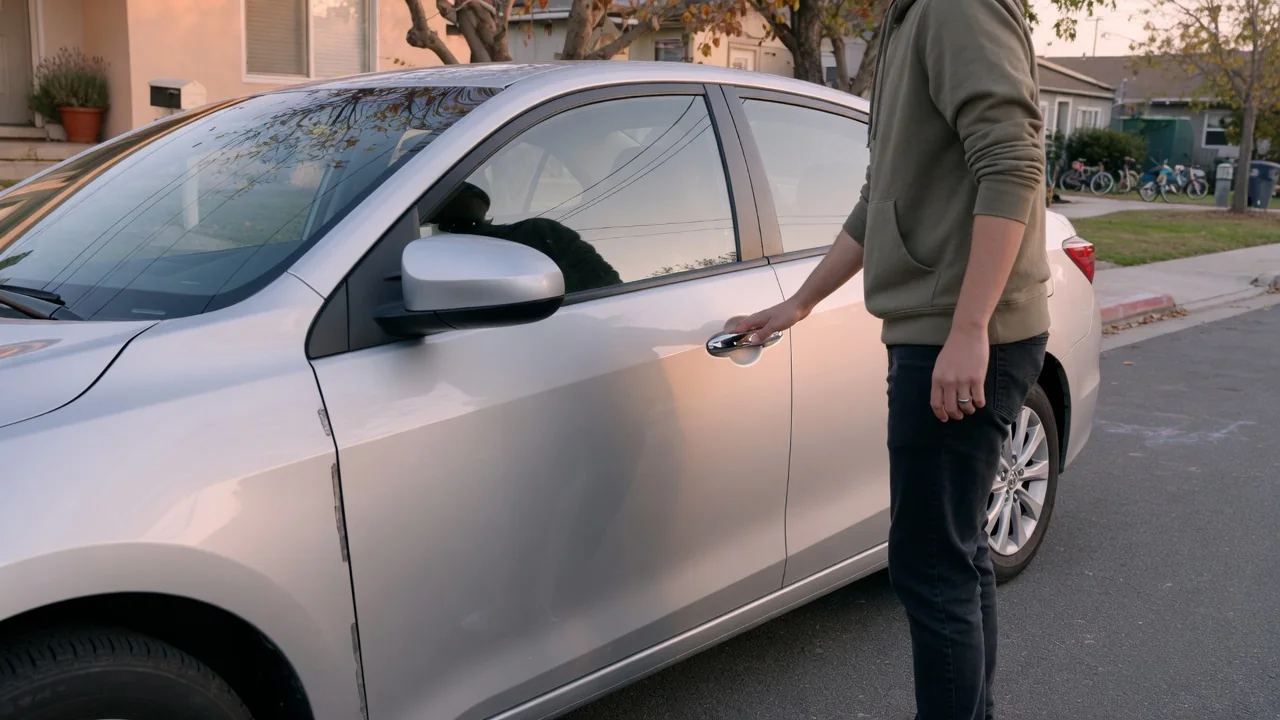
Push a car door gently and it may catch with a soft click, yet still sit slightly proud of the body. Push harder and it clicks again, flush and sealed. Those two clicks answer the question of why does a car door need two closing stages: the first is a backup hold, and the second is the fully latched position the vehicle is designed to travel in.
Safety catch
Inside the latch, a rotating fork-shaped claw captures the striker, a metal loop or pin fixed to the body pillar. A spring-loaded pawl drops into one of two notches on that claw. The first notch is the secondary, or safety, position: the door is held but not pulled fully against its seals. The second notch is the primary position, where the claw has rotated completely and the door sits flush with the surrounding panels.
The reason for the first notch is straightforward. Weatherstrips push back against a closing door, and a weak swing may not carry enough energy to compress them. Without an intermediate catch, that door would bounce back open and could swing wide once the car moves. With the safety catch, a poorly closed door stays restrained against the body, even though it rattles and leaks air. The exact shape and feel of the mechanism differ between manufacturers, and hoods use a comparable two-step arrangement with a separate release.
Door-ajar warning
A door held on the first notch looks nearly closed, especially at night, so the vehicle needs a way to report it. Many cars use a switch built into the latch that senses the claw's position, while older designs often rely on a plunger switch in the door jamb that the closing door pushes in. Either way, the signal typically drives an instrument cluster warning, the interior lights, and sometimes a chime once the car starts moving.
What the warning tells you depends on the design. On many vehicles, a door resting in the safety position still reads as open, so the lamp stays on until the second click. That same signal may also feed central locking, alarm arming, and interior light timers, which is why a half-latched door can keep the dome light glowing or stop the car from locking as expected. Some displays show which door is affected; others give a single generic symbol, so check each door and the trunk or liftgate.
Repair
When a door will only reach the first click, or needs a hard slam to reach the second, the cause isn't always the latch itself. A striker that has shifted, hinges that have worn and let the door sag, a swollen or displaced weatherstrip, or dried and dirty grease inside the latch can each stop the claw from rotating fully. Cold weather can also stiffen old lubricant and make an otherwise marginal latch reluctant to complete its travel.
A door-ajar warning that persists with the door properly shut points in a different direction: the switch, its wiring through the flexible boot between door and body, or a connector. Where a body-related fault code is stored, treat it as evidence about a circuit rather than proof that a specific part has failed, and remember that many such codes are manufacturer-specific and need vehicle-specific confirmation. Latches are safety components and often sit near side-impact sensors and wiring, so striker alignment and latch replacement are best left to a qualified technician.
Everyday Use and Observations
You can hear and feel the two stages on most cars. Close the door slowly and it will catch once, sitting slightly proud of the adjacent panel with a visibly uneven gap. A firmer push produces the second click and brings the edges level. Wind noise at speed, a rattle over bumps, or a damp seal after rain are common signs that a door has been riding on the first notch instead of the second.
Closing effort varies with cabin design. A tightly sealed car traps air as the last door shuts, so that door may need a little more push unless a window is cracked open; frameless-glass doors often drop the window slightly for the same reason. Some vehicles add power cinching, where a motor pulls the door from the first position into the second, so a gentle push is all that's required. Sliding doors and liftgates frequently use this arrangement, though equipment depends on model and trim.
Limits and Next Steps
The safety position is a backup, not a travel position. A door on the first notch isn't clamped against its seals, isn't tied into the body structure the way a fully latched door is, and may not respond to locking as intended. If the warning lamp comes on while driving, slow down, stop somewhere safe, and reclose the door firmly instead of reaching across to pull it shut on the move.
General explanations also have limits. Latch layout, switch type, warning logic, and any power-closing features differ by make, model, and year, so the owner's manual is the right reference for what your vehicle's indicators mean. If a door repeatedly stops at the first click, pops back open, or the warning disagrees with what you can see, have it inspected soon, and ask whether any recalls or service bulletins apply to that latch. Doors beside children or other rear passengers deserve particular urgency.