Why Does a Brake Pedal Pulse?
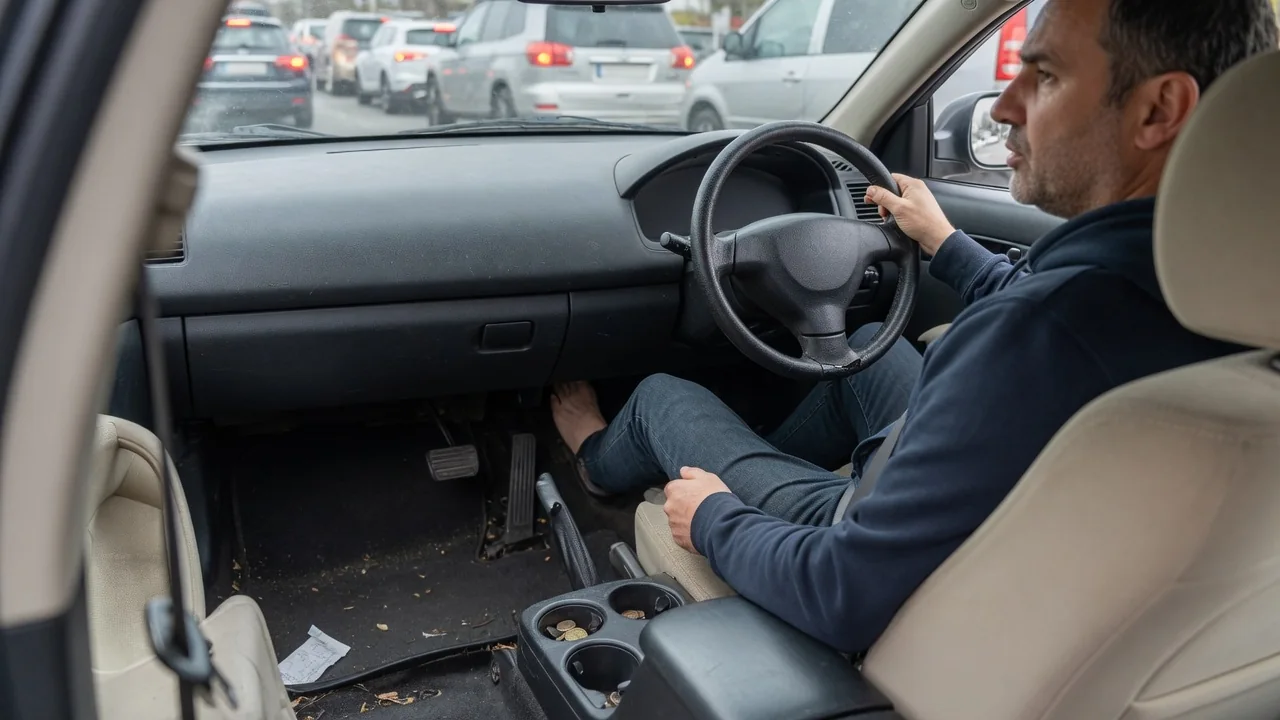
Drivers who ask why does a brake pedal pulse are usually feeling one of two very different things. One is the anti-lock braking system deliberately modulating hydraulic pressure during a hard or slippery stop. The other is a repeatable mechanical vibration that returns with every ordinary stop. Telling them apart starts with noticing exactly when the sensation appears.
When pulsation occurs
Timing is the most useful clue. A pulse that appears only during a panic stop, on wet leaves, gravel, ice, or a painted crosswalk line points toward the anti-lock system doing its job. A pulse that shows up during gentle, routine braking on dry pavement, and repeats at the same speeds every day, points toward something mechanical in the rotating parts of the brake or wheel assembly. The road surface and how hard the pedal was pressed matter as much as the sensation itself.
Speed also shapes the pattern. Mechanical pulsation typically rises and falls with wheel rotation, so the rhythm slows as the vehicle slows and may feel strongest when braking from highway speed. Some drivers notice it more after a long downhill grade, when the brakes are hot. On vehicles with rear drum brakes, an out-of-round drum can produce a similar rhythm. How strongly any of this reaches the pedal varies with the brake booster design, vehicle weight, and suspension bushings.
ABS event
During an anti-lock event, wheel speed sensors report that one or more wheels are decelerating faster than the vehicle can actually slow, which signals impending lockup. The control module then commands the hydraulic unit to hold, release, and reapply pressure at that wheel many times per second. On many vehicles that rapid cycling travels back through the fluid to the pedal as a quick, buzzing kickback, often accompanied by a grinding or ratcheting noise from the pump and valves.
This feedback is normal, and the correct response is to keep firm, steady pressure on the pedal and steer where the vehicle needs to go, rather than pumping. The feel differs considerably between designs. Some systems push back sharply, while others, particularly brake-by-wire and many hybrid or electric vehicles, isolate the pedal so well that the driver notices little more than a noise and a warning lamp flicker. The owner's manual describes what a given vehicle is expected to do.
Inspection
When pulsation is mechanical, attention usually turns first to the brake rotors. Uneven rotor thickness, often caused by patchy pad material transfer or corrosion where a vehicle sat parked, makes the caliper pistons move in and out slightly on every revolution, and that movement reaches the pedal. Excessive lateral runout can lead to the same condition over time. A technician measures these with a micrometer and dial indicator and compares the readings with the manufacturer's limits, since appearance alone rarely settles the question.
A thorough inspection looks beyond the rotors. Rust or debris between the hub face and rotor, unevenly tightened wheel fasteners, sticking caliper slides, worn wheel bearings, and loose suspension or steering joints can all create or amplify the vibration. If a warning lamp is on, stored codes help direct the diagnosis, but a code is evidence to interpret rather than proof that a sensor or module has failed. Code meanings can be manufacturer-dependent, so they should be confirmed against vehicle-specific service information.
Everyday Use and Observations
Everyday driving offers plenty of chances to gather useful detail. Note whether the steering wheel shakes along with the pedal, which often suggests a front brake source, or whether the vibration is felt more through the seat and floor, which can point toward the rear. Pay attention to whether the pulse is present from the first cold stop or develops after the brakes warm up, and whether light pedal pressure makes it more noticeable than firm pressure.
One pattern deserves special mention: anti-lock activation at very low speed on a dry road, typically in the last few feet before a stop. This can happen when a wheel speed signal becomes weak or erratic, for example from a contaminated sensor, a damaged tone ring, or bearing play, and the system misreads it as a locking wheel. It feels like a normal ABS event but occurs where none should be needed, sometimes without any warning lamp, and it is worth having checked.
Limits and Next Steps
Observation at home has limits. A driver can describe the conditions accurately, but confirming rotor thickness variation, runout, bearing play, or sensor signal quality requires measuring tools, a scan tool with live data, and the specifications for that particular vehicle. Brake work also involves safety-critical fasteners and hydraulic components, so diagnosis and repair are best left to a qualified technician unless the owner has proper training, equipment, and service information.
Some signs call for prompt attention rather than continued monitoring. A pulsation that grows worse, a pedal that feels soft or sinks, a pull to one side, a burning smell, grinding noises, or an illuminated brake or ABS warning lamp all justify an inspection soon. When booking the visit, describing the speed, road surface, pedal pressure, and temperature conditions under which the pulse occurs helps the shop reproduce it and separate normal anti-lock feedback from a fault that needs correcting.