Why Does a Brake Pedal Feel Spongy?
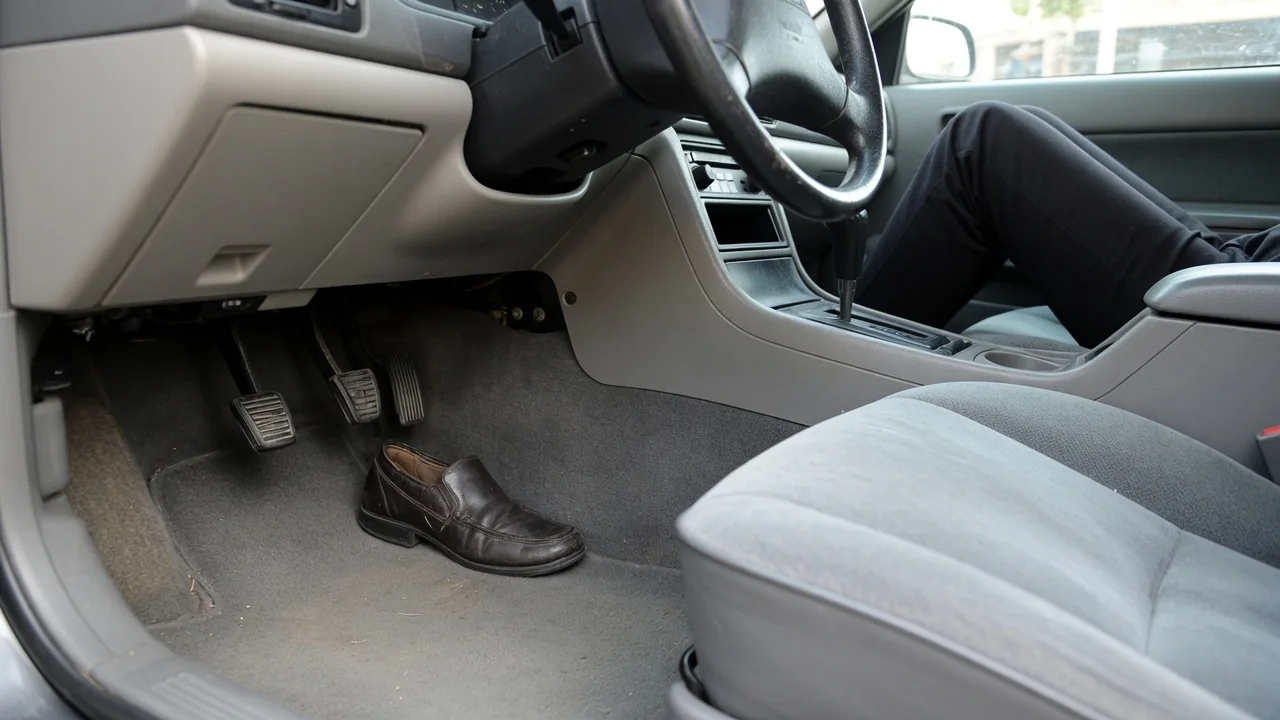
Drivers who ask why does a brake pedal feel spongy are usually noticing a pedal that sinks farther, pushes back less, or feels springy underfoot. Hydraulic brakes depend on fluid that barely compresses, so softness suggests something in the system is giving way. Air, degraded fluid, and worn or flexing components are the common possibilities, and telling them apart takes hands-on inspection.
Describe pedal travel
A clear description of pedal travel helps a technician far more than the word spongy alone. Notice whether the pedal moves a long way before the car begins to slow, whether it feels elastic like pressing on a rubber ball, or whether it slowly sinks toward the floor while steady pressure is held at a stoplight. Each pattern points in a different direction. A springy feel often suggests trapped air, while a slow sink can indicate fluid bypassing internal seals or escaping somewhere in the circuit.
It also matters whether pumping the pedal changes anything. A pedal that firms up and rises after two or three quick presses behaves differently from one that stays soft regardless. Note whether the feel is the same with the engine off and running, because the brake booster changes pedal effort once it has vacuum or electric assistance. Normal travel varies between vehicles, and some hybrids and electric models use simulated pedal feel, so comparison with how the same car felt previously is the most reliable reference.
Check visible leaks
Because the hydraulic system is sealed, fluid that goes missing has usually gone somewhere it should not. The reservoir under the hood normally has minimum and maximum marks molded into its side, and a level near or below the lower mark deserves attention. A level that drops gradually can simply reflect pad wear, since the caliper pistons extend as friction material thins, but a quick drop suggests a leak. Low fluid can let air enter the master cylinder, which produces exactly the soft, compressible feel drivers describe.
Leaks tend to leave evidence in a few predictable places. Wet patches on the inside of a wheel or tire, dampness around a caliper or a flexible hose, or drips on the ground near a wheel are all worth noting. Brake fluid is typically clear to amber, feels slippery, and can damage paint, which separates it from engine oil or coolant. Steel lines running under the body can corrode, particularly in regions that salt winter roads. Looking is useful; opening fittings or bleed screws without proper training is not.
Seek service
A soft pedal belongs in the category of problems that should be inspected promptly rather than monitored over weeks. Braking systems use two hydraulic circuits for redundancy, but a fault in one still lengthens stopping distances and may worsen without warning. If the pedal sinks to the floor, a red brake warning light appears, or fluid is visibly leaking, the safer choice is to stop driving and arrange a tow. A car that still stops but feels noticeably softer than before should go to a shop soon and be driven cautiously.
In the workshop, a technician can do what observation at home cannot. They can check the master cylinder for internal bypassing, inspect hoses for bulging under pressure, examine calipers and wheel cylinders for seepage, and test the fluid for moisture contamination. Bleeding the system removes trapped air, though on many modern vehicles the anti-lock brake unit requires a specific procedure or scan tool. Any stored fault codes are evidence to interpret alongside these checks, not proof that a particular part has failed, and their meaning should be confirmed for the specific vehicle.
Everyday Use and Observations
When the softness appears can be as informative as how it feels. Brake fluid absorbs moisture over time, which lowers its boiling point. After repeated hard stops or a long mountain descent, overheated fluid can form vapor bubbles that compress like air, creating a pedal that goes soft when hot and recovers after cooling. A pedal that is spongy from the first press on a cold morning suggests something else, such as air already in the lines or a component that flexes under pressure.
Recent work on the car is another useful clue. A pedal that changed right after pad replacement, a hose or caliper swap, or a fluid service may point to air left in the system or pads that have not yet bedded against the rotors. Vehicles with rear drum brakes can develop long pedal travel when the shoes are out of adjustment. Towing, heavy loads, and steep terrain all add heat and demand. Writing down the conditions, speeds, and how often the sensation occurs gives a shop a real starting point.
Limits and Next Steps
No description, however careful, can identify the cause from a distance. Trapped air, moisture-laden fluid, a swollen flexible hose, a leaking caliper seal, and a worn master cylinder can all produce similar sensations at the pedal, and more than one may be present. The details of brake design also differ widely: booster type, anti-lock hardware, drum or disc rear brakes, and electronically controlled systems each change what is normal and what is possible. Only pressure testing and physical inspection can separate these possibilities with confidence.
Sensible next steps are modest ones. The owner's manual shows where the reservoir is and which fluid specification the manufacturer requires, since mixing incompatible types can harm seals. Topping up may restore the level, but it does not explain where the fluid went, so it should never replace an inspection. Sharing notes about pedal behavior, warning lights, and recent repairs helps the technician work efficiently. Until the cause is found and corrected, allowing extra following distance and avoiding heavy loads or demanding roads keeps risk lower.