Why Do Some Cars Have a Tall Seating Position?
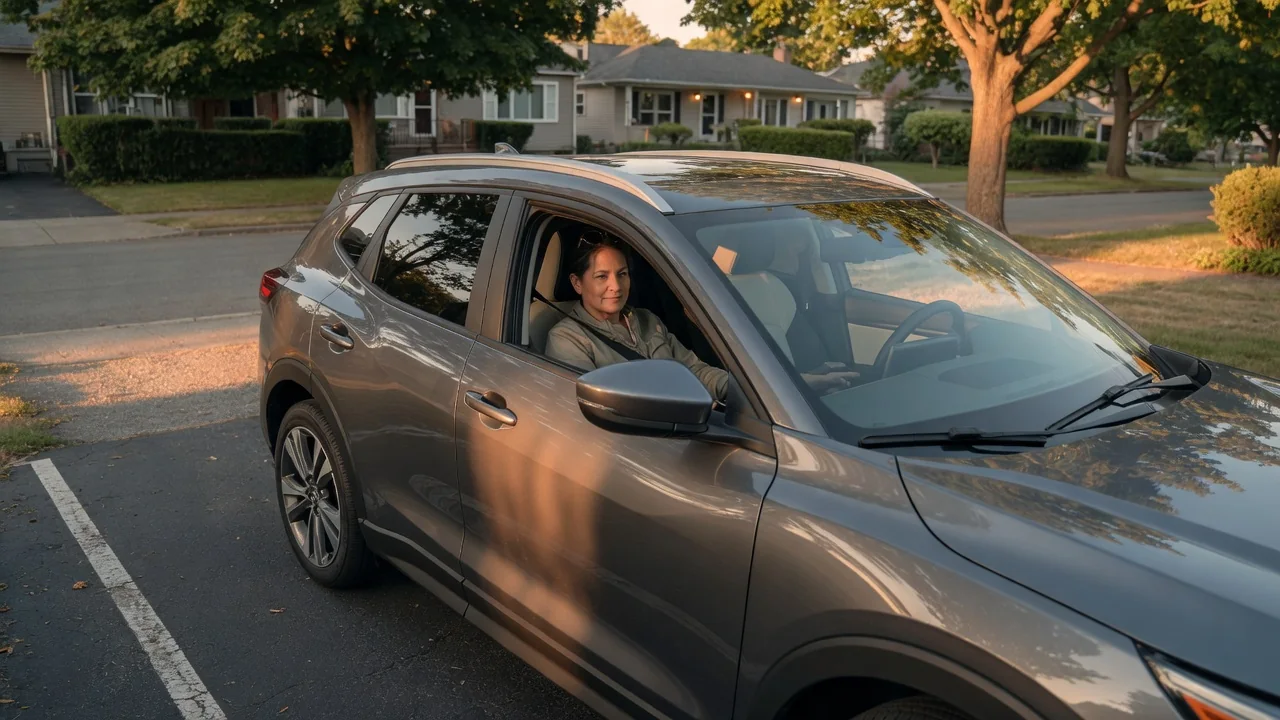
Anyone comparing a crossover with a low sedan may wonder why do some cars have a tall seating position. The answer lies in packaging: how designers stack the floor, the seat, the occupant, and the roof. Raising the hip point changes how the cabin feels, how people get in, and how the vehicle behaves on the road.
Visibility impression
A higher seat lifts the driver's eye point relative to the hood, the dashboard, and surrounding traffic. From that vantage, the road surface just ahead of the bumper is often easier to judge, and the driver can sometimes look over the roofs of lower cars to spot brake lights further up the line. Designers achieve this by raising the seat cushion above the floor and lifting the roof to preserve headroom, which produces the upright, chair-like posture common in crossovers, minivans, and pickups.
The sense of command is partly real and partly impression. A tall eye point does not shrink the pillars, and a high hood or beltline can hide low objects, small children, or curbs close to the vehicle. Thick windshield pillars built for roof strength can block a pedestrian at an intersection regardless of seat height. Sitting in a vehicle and checking what disappears behind the hood, mirrors, and rear glass reveals more than the height itself, and results differ noticeably between body styles.
Entry height
Entry effort depends on how the seat cushion relates to a standing person's hips. In a low sports coupe, occupants drop down into the seat and climb back out, which loads the knees and back. When the cushion sits near hip level, a person can turn and slide sideways onto it with little bending. That is why many buyers with limited mobility find compact crossovers and tall hatchbacks easier than either low sedans or large body-on-frame trucks.
Floor height matters as much as seat height. A vehicle with generous ground clearance or a frame beneath the cabin has a high floor, so occupants step up before sitting, sometimes with help from a running board or grab handle. Electric vehicles often place a battery pack under the floor, which raises the floor and encourages a taller roof to keep legs comfortably bent. Sill width, door opening shape, and roof rail height also vary, so two vehicles with similar seat heights can feel quite different at the door.
Center-of-gravity context
Lifting occupants, the roof, and the glass moves mass upward, and that raises the center of gravity. A higher center of gravity increases the leverage that cornering forces have on the body, so the vehicle tends to lean more in turns and shift weight more noticeably under braking. Engineers respond with stiffer anti-roll bars, firmer springs and dampers, a wider track, and stability control tuning, each of which carries trade-offs in ride comfort or cost.
Seat height alone does not determine how planted a vehicle feels. Heavy components mounted low, such as an underfloor battery pack, can offset a tall cabin and keep the overall mass surprisingly close to the ground. A light, narrow, tall vehicle may feel more top-heavy than a larger one with a wide stance. Drivers usually notice the difference as body roll on highway ramps, head toss over uneven pavement, and sensitivity to crosswinds, all of which depend on the specific suspension and tire setup.
Everyday Use and Observations
In daily driving, an upright seat changes how cabin space is used. Because legs angle downward rather than stretching forward, each occupant needs less floor length, which lets designers fit a roomy cabin or a third row into a shorter footprint. Loading a child seat is often easier when the bench sits near waist height, and the taller roof gives room to lean in. Cargo floors tend to sit higher too, which can help or hinder depending on what is being lifted.
There are costs that show up over time. A taller body presents more frontal area to the air, which generally works against fuel economy or electric range at highway speed and can add wind noise. Parking garages with low ceilings, roof-mounted cargo, and car washes call for more attention. Some drivers find the upright posture more comfortable on long trips, while others prefer the reclined, legs-forward position of a lower car, so personal fit matters as much as the design intent.
Limits and Next Steps
A tall seating position is a packaging choice, not a guarantee of better visibility, comfort, or safety. Height adjusters change the picture considerably, and the same model can feel different depending on seat type, sunroof fitment, which often reduces headroom, and wheel and tire options that alter ride height. Published dimensions such as headroom and ground clearance are useful, but they do not describe eye point, thigh support, or how far the steering wheel and pedals adjust.
The most reliable next step is to sit in the vehicles under consideration and repeat the same checks in each. Getting in and out several times, setting the seat for a clear view of the gauges and road, checking the blind areas around the pillars and hood, and driving a route with curves and highway speeds will show how the packaging works for a particular body. Bringing along regular passengers, child seats, or typical cargo makes the comparison far more meaningful than measurements alone.