Why Can a Windshield Whistle After Replacement?
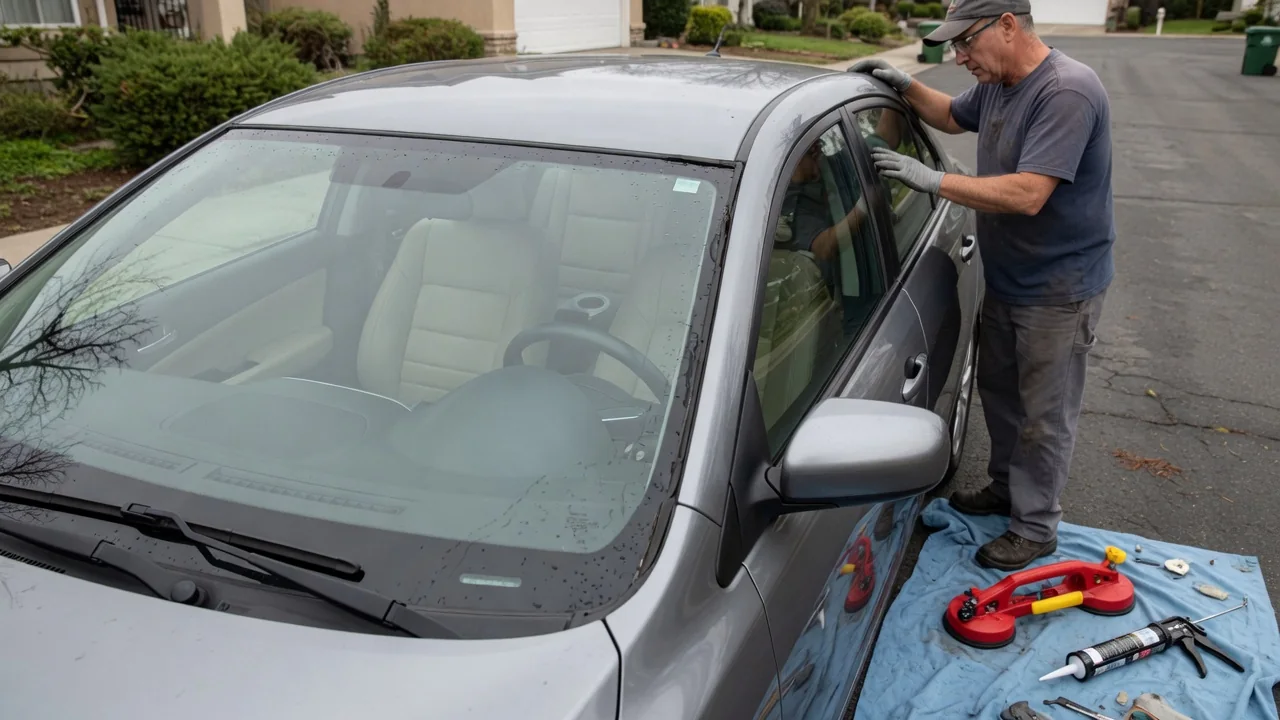
A new windshield should be quieter than the cracked one it replaced, so a fresh whistle on the highway is frustrating. Understanding why a windshield can whistle after replacement starts with airflow: fast-moving air finds any small gap, lifted molding, or disturbed trim piece and turns it into a tone. Most causes are identifiable and correctable.
Speed and location
Wind noise from glass work usually depends on road speed. At neighborhood speeds the air moving over the windshield has little energy, so a small opening stays silent. As speed climbs, air accelerates over the glass and up the roof pillars, and a narrow gap can begin to act like the mouthpiece of a flute. Many drivers notice the sound appears at a fairly consistent speed and changes pitch as they go faster. That pattern points toward an airflow cause rather than a mechanical one, since engine and drivetrain noises follow rpm or gear instead.
Where the sound seems to come from is equally useful. A whistle near the top edge suggests the upper molding or the bond line along the roof. Noise at one side often traces to the pillar trim, which is frequently removed or loosened during glass replacement. Sound from the base of the glass can involve the cowl panel beneath the wiper arms. Crosswinds may make the noise come and go, because the angle of the air striking the vehicle shifts. Sound travels inside a cabin, though, so a passenger listening closely can help narrow the area.
Visible fit
A careful walk around the windshield often reveals clues before any testing is needed. The molding that frames the glass should sit flat and even along its whole length, with no waves, lifted corners, or sections that spring back when pressed lightly. The gap between the glass edge and the body should look consistent from side to side. If one corner of the glass sits noticeably higher or lower than the opposite corner, the windshield may be positioned slightly off, leaving an uneven ledge for air to catch as it sweeps toward the roof.
Other parts disturbed during the job deserve the same look. The exterior pillar trim relies on clips that can break or fail to seat fully when reinstalled, leaving a strip that looks attached but stands slightly proud. The plastic cowl at the base must lock back against the lower glass edge, and a missing fastener or misaligned tab there can open a channel. Designs differ widely between vehicles: some use a full surround molding, others leave the glass edge exposed, and some rely on separate side garnish strips, so what counts as normal fit depends on the model.
Installer follow-up
The shop that installed the glass is the right first contact, and sooner is better. Reputable installers generally expect to hear about wind noise or leaks and commonly stand behind their workmanship, though the terms of any warranty depend on the business and should be confirmed on the paperwork. Describing the speed at which the whistle starts, the area it seems to come from, and whether wind direction affects it gives the technician a head start. Notes or a short audio recording from a drive can be helpful when the noise refuses to appear during a brief test.
Technicians have several ways to find the source. They may tape over sections of molding or trim and road test the vehicle, removing tape piece by piece until the noise returns. Some shops use a soapy solution outside with gentle air pressure inside the cabin, or listening equipment that detects air passing through a gap. The fix depends on the finding: reseating a molding, replacing broken clips, refitting the cowl, or addressing a void in the urethane adhesive bead. A gap in the bond itself is more significant than loose trim and may call for resealing or reinstalling the glass.
Everyday Use and Observations
Daily driving offers plenty of chances to gather useful evidence. Paying attention to whether the whistle shows up only on the highway, only in gusty weather, or on every trip helps separate a steady gap from a piece of trim that flutters under certain conditions. Switching the climate control between fresh air and recirculation is worth trying too, since cabin pressure changes can alter a noise caused by air passing through a small opening. If the sound changes when a window is cracked open slightly, that also hints at air moving through the seal area rather than over an exterior part.
Water is the other everyday indicator. After rain or a car wash, dampness along the headliner edge, the pillars, or the top of the dashboard suggests the same path that lets air through may also admit moisture. Fogging at one corner of the glass or a musty smell can follow over time. Not every whistle means a leak, however, because exterior trim can generate noise while the adhesive seal remains fully intact. It is also sensible to rule out unrelated sources such as roof racks, mirror housings, door seals, and wiper blades that may have been repositioned during the job.
Limits and Next Steps
There are limits to what an owner can judge from the driver's seat. The urethane bead that bonds the glass to the body is hidden behind moldings and interior trim, so its continuity cannot be confirmed by eye. Pressing hard on the glass, prying at moldings, or adding sealant from a tube around the edges is not advisable. Improvised sealing can hide the real gap, complicate a proper repair, and give the installer grounds to question a workmanship claim. The windshield also contributes to body structure and supports proper airbag deployment on many vehicles, so its bond deserves professional attention.
A sensible path forward is to document the noise, contact the installer, and ask for a road test with a technician riding along. If the vehicle has driver assistance cameras mounted behind the glass, it is worth asking whether any calibration was required and completed, since requirements vary by manufacturer. Should the original shop be unable to resolve the whistle, a second opinion from another glass specialist or a dealership body department can confirm whether the cause lies in trim, molding, glass fit, or the bond. Persistent noise accompanied by water entry should be addressed promptly rather than tolerated.