Why Are Some Car Air-Intake Tubes Plastic?
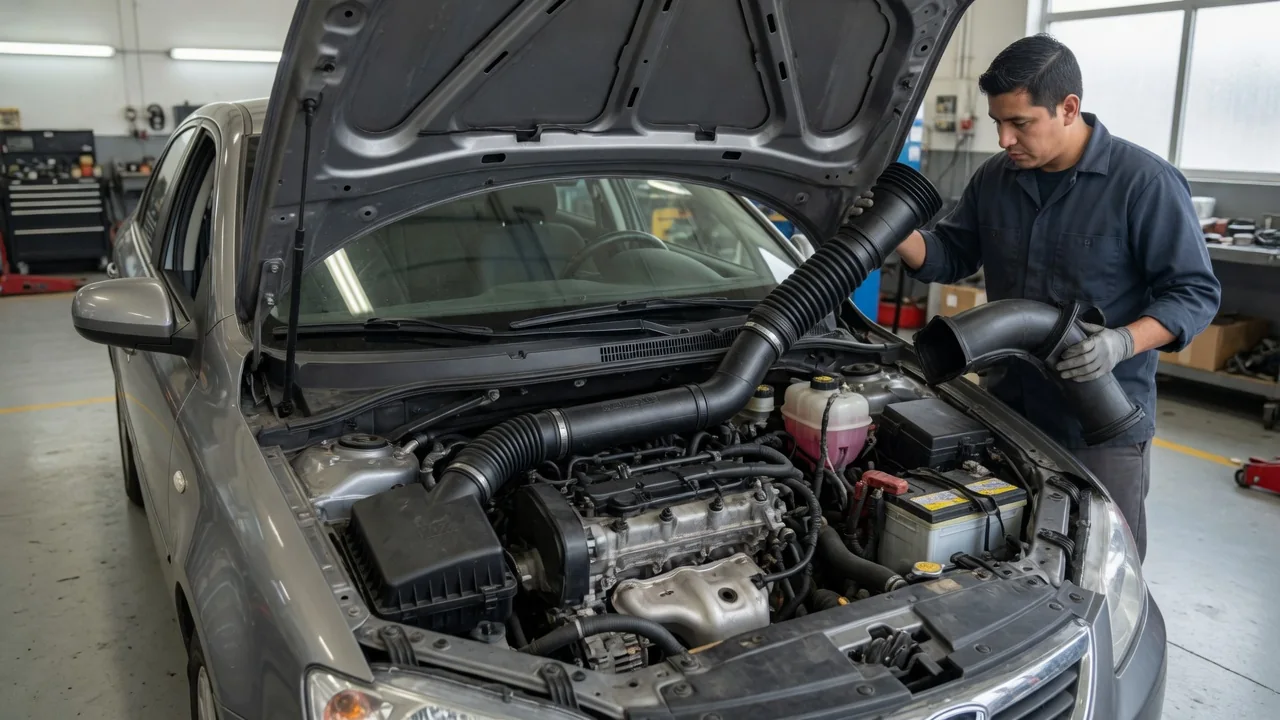
Open the hood of many modern cars and the duct running from the air filter box to the throttle body is molded plastic rather than metal or plain rubber hose. That choice is not simply about saving money. Plastic lets engineers shape the tube around crowded engine bays, limit how much heat reaches the incoming air, and build several functions into one part. It also affects how the tube ages and how you should check it for leaks.
Shape freedom: molding complex routes and built-in features
An air-intake tube has to connect the filter housing to the throttle body or, on turbocharged engines, to the compressor inlet. Along the way it has to clear the battery, coolant hoses, wiring, strut towers and the engine itself. Engine bays are crowded, so the path is rarely straight. Molding processes such as blow molding and injection molding can produce smooth compound bends, changing cross-sections and flattened or oval sections that would be difficult or costly to form from metal tubing. A smooth, continuous interior also helps air reach sensors and the throttle evenly, which matters because many engines rely on a steady airflow signal for fuel control.
Plastic also lets designers integrate features directly into the tube. Common examples include mounting tabs, a port for the crankcase ventilation hose, small nipples for breather or vacuum lines, a boss for an intake air temperature sensor, and on some designs the housing for the mass airflow sensor. Many tubes include resonator chambers, sealed side volumes that reduce intake noise at particular frequencies. A flexible bellows section, molded from a softer material or added as a rubber coupler, lets the tube tolerate engine movement on its mounts. Combining these jobs in one molded part reduces the number of joints and separate brackets.
Weight and corrosion are secondary benefits. A molded polymer tube is generally lighter than an equivalent metal assembly and does not rust. Neither factor alone explains the design, but together with the packaging advantages they make plastic a practical default for mass-produced vehicles.
Heat: keeping intake air cooler and surviving the engine bay
Cooler intake air is denser, and denser air supports efficient combustion and helps reduce the tendency toward knock. The intake tube sits in a hot environment near the engine block, exhaust components and air coming through the radiator. Polymers generally conduct heat much less readily than aluminum or steel, so a plastic tube tends to pass less engine-bay heat into the air flowing through it. This is often described as reduced heat soak. How much difference it makes depends on the tube's length and placement, the vehicle and the driving conditions, so it is one contributing factor rather than a guaranteed performance gain.
The tube itself has to withstand that heat for years. Manufacturers typically use engineering plastics such as polyamide (nylon), often reinforced with glass fibers, or polypropylene compounds, along with rubber or thermoplastic elastomers for flexible sections. The exact material varies by design, and parts are frequently molded with a material code. Repeated heating and cooling, oil vapor from the crankcase ventilation system and constant vibration gradually change these materials. Rigid sections can become brittle, while rubber bellows can harden, lose elasticity and develop surface cracks. This is normal aging rather than a defect, but it explains why an older intake tube deserves a closer look.
Leak inspection: finding cracks before they cause problems
On engines that measure airflow with a mass airflow sensor, any opening between that sensor and the throttle body admits air the engine computer did not measure. This unmetered air can lean out the mixture and may show up as a rough or unstable idle, hesitation, or a check engine light with lean-condition codes. On turbocharged engines, a crack on the pressurized side between the turbocharger and the throttle can let boost escape and reduce power. A crack anywhere after the air filter also lets unfiltered air and dust bypass the filter. Symptoms vary by system design, so a code or drivability complaint suggests a possible leak rather than confirming one.
A basic inspection starts with the engine off and cool. Look along the full length of the tube, paying particular attention to the bellows folds, the areas next to hose clamps, molded joints, sensor ports and the thin breather nipples, which snap easily. Gently flex the bellows to open hairline cracks that stay hidden when the rubber is relaxed. Check that each clamp sits over its sealing bead and that the tube is fully seated on its connections. Dirt or dust streaks inside a joint can indicate air has been drawn past the seal. With the engine idling, a hiss near the tube can point to a leak, though nearby vacuum lines make the source easy to misjudge.
When a visual check finds nothing but symptoms persist, a smoke test is a common professional method. Low-pressure smoke is fed into the intake system and escapes wherever there is an opening, making small cracks visible. Spraying flammable cleaners around a running engine to locate leaks is sometimes suggested, but it carries a fire risk and is not a substitute for proper diagnosis.
Practical implications and limits
Because so many features are built into a single molded part, a damaged plastic intake tube is usually replaced as a complete assembly rather than repaired section by section. Tape, sealant or epoxy may hold a small crack temporarily, but flexing, heat and oil vapor tend to defeat such fixes. When replacing the tube, reconnect every sensor and hose, and follow the vehicle's service information for clamp type and tightening, since overtightening can crack a rigid plastic neck. Old plastic clips and tabs can break during removal, so working slowly reduces the chance of extra damage.
Plastic is not universal, and it is not automatically better. Some vehicles use rubber hoses, metal pipes or a combination, particularly in pressurized turbocharger plumbing. Aftermarket metal or silicone intake tubes give up some original advantages, such as integrated resonators and lower heat transfer, in exchange for other qualities like durability or appearance, and a changed airflow path can affect sensor readings. Whether any modification is appropriate depends on the specific engine, its calibration and applicable emissions rules. For a given vehicle, the factory service manual or parts catalog remains the reliable reference for the correct part and its inspection points.