Who Makes Cars
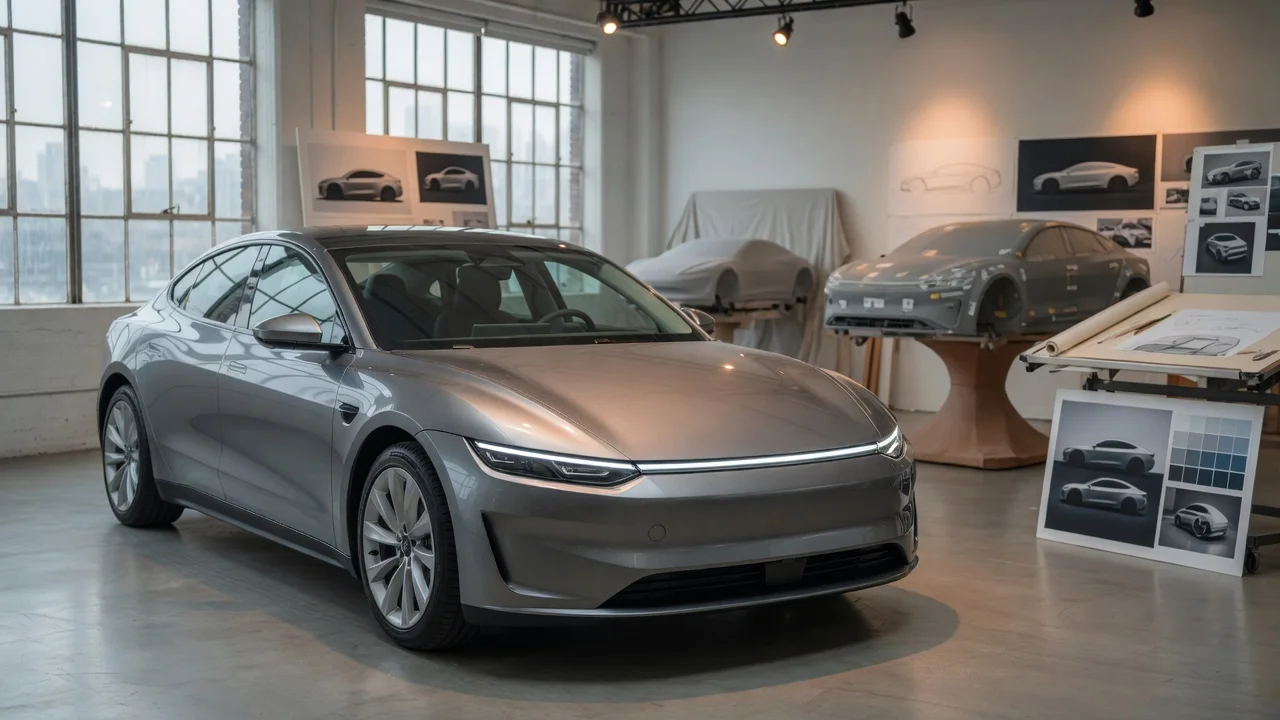
The essential answer
Cars are made by automobile manufacturers, commonly called original equipment manufacturers (OEMs). An OEM designs the vehicle, specifies its major systems, oversees safety and emissions certification, and is responsible for final assembly, whether that work happens in its own plants or at a contracted factory. The name on the grille is the brand. The legal manufacturer is the company named on the certification label and encoded in the vehicle identification number (VIN).
What the question covers
At industry level, the subject is the companies that design and assemble passenger cars and similar light vehicles for public sale: hatchbacks, sedans, SUVs, crossovers, minivans, and pickup trucks sold through retail brands. At vehicle level, the subject is which OEM, brand, and assembly plant produced a specific model, generation, powertrain, trim, and market version. Parent groups, joint ventures, and contract assemblers can all sit between the badge and the factory, so the brand name, the corporate owner, and the plant location are related facts with different answers.
How carmaking is organized
A finished car is the product of an OEM plus a supplier network. Tier 1 suppliers deliver complete systems such as brakes, steering, seats, infotainment, and, on electric models, battery packs. Lower-tier firms feed parts into those systems. The OEM remains the company that puts its name on the vehicle and warrants it. Parent groups often share platforms, engines, electronics, and factories across several brands. Alliances let separate companies share engineering and purchasing while each remains a distinct manufacturer. In some programs, a specialist plant assembles complete vehicles for the brand that sells them.
Brands and parent groups
Many familiar nameplates belong to a smaller set of parent companies. Brand line-ups change by region and model year, so the groupings below are widely sold examples rather than a complete legal chart.
Toyota Motor Corporation: Toyota and Lexus, with affiliated makers such as Daihatsu in some markets; Volkswagen Group: Volkswagen, Audi, Porsche, Skoda, SEAT, CUPRA, Bentley, Lamborghini, and related brands; Hyundai Motor Group: Hyundai, Kia, and Genesis; Stellantis: Jeep, Ram, Dodge, Chrysler, Fiat, Peugeot, Citroen, Opel, Vauxhall, Alfa Romeo, Maserati, and other group brands depending on the market; General Motors: Chevrolet, GMC, Cadillac, and Buick where those brands remain on sale; Ford Motor Company: Ford and Lincoln; Honda: Honda and Acura; BMW Group: BMW, MINI, and Rolls-Royce; Mercedes-Benz Group: Mercedes-Benz and related Mercedes performance and luxury lines; Other volume and specialist makers include Renault Group, Nissan, Tesla, BYD, Geely-related brands including Volvo Cars, Mazda, Subaru, Suzuki, Mitsubishi, and Jaguar Land Rover under Tata Motors
Qualifications that change the answer
Several arrangements change who makes a given car in practice. The same model name can be assembled in more than one country in the same year. Shared designs are sometimes sold under more than one brand. Joint-venture plants, especially common in China, build a foreign brand’s model with a local partner named as manufacturer for that market. Some electric-vehicle and low-volume brands contract another company to assemble the complete vehicle. Engines, transmissions, and batteries may be produced by a different group from the one that assembled the body. Country-of-origin wording describes the plant location; it can differ from the brand’s headquarters and from the origin of major components. Model year, generation, powertrain, trim, and sales market are the details that pin the answer down.
How to identify who made a specific car
Start with the brand and model year, then read the VIN and the manufacturer’s certification label, usually on the driver’s door jamb. In a standard VIN, the first three characters are the world manufacturer identifier; later characters identify the assembly plant and model year. The window sticker where used, the build plate, and the owner’s manual name the manufacturer and often the plant. Those documents give the vehicle-level answer. Corporate websites and registration papers can then place that manufacturer inside a parent group for the year in question.
What this does not settle
The assembler of an individual VIN, the current owner of every brand, and a ranked list of makers by volume for a given year require that vehicle’s documents, the OEM’s model-year data for the relevant market, and up-to-date corporate filings. Production totals, plant-by-plant build lists, and test findings for any specific model are outside the evidence used here.