Where Is the Water Pump Located in a Car
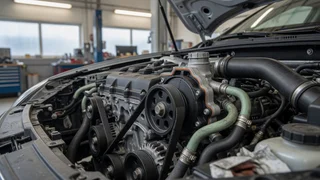
Finding the water pump begins with understanding its role in the cooling circuit. On most cars, the water pump is mounted near the front of the engine and driven by a belt, pulley, or timing component, but the exact location varies by vehicle configuration. The pump moves coolant through the radiator, engine block, cylinder head, and heater core. Knowing where the water pump in a car sits helps owners recognize leaks, bearing noise, or pulley wear before overheating becomes severe.
Essential answer
The water pump is generally located on the front of the engine, where a drive belt or timing chain can spin its pulley and impeller shaft. On many front-wheel-drive vehicles with a transverse engine, the pump may sit on the passenger side or driver side of the engine bay, tucked between the engine and the inner fender. The exact position depends on how the engine is mounted and which accessory drive arrangement the manufacturer selected.
Where is the water pump located in a car? The answer is tied to the cooling circuit layout rather than a single universal spot. It is usually below or beside the thermostat housing and near the lower radiator hose, because the pump receives cooled coolant from the radiator and pushes it through the engine passages. Some engines place the pump behind the timing cover, where it is driven by the timing belt or chain rather than an external serpentine belt.
Identification and location
To identify the water pump, look for the component that the lower radiator hose connects to at the engine. The pump body is typically a cast aluminum or iron housing with a pulley on the front, and it may have a small weep hole underneath. If the engine uses an externally driven pump, the serpentine belt or a separate drive belt will route around its pulley along with the alternator, power steering pump, and air conditioning compressor.
The position of the thermostat and upper radiator hose can also provide a location cue. The upper hose usually carries hot coolant from the engine to the radiator, while the lower hose returns cooled coolant to the pump inlet. In vehicles where the water pump is behind the timing cover, external identification is harder because only the coolant inlet and outlet fittings may be visible. Air pockets in the cooling system after service can make the pump noisy or reduce flow, and the pressure cap and coolant concentration affect how the entire circuit holds temperature.